Quick Summary
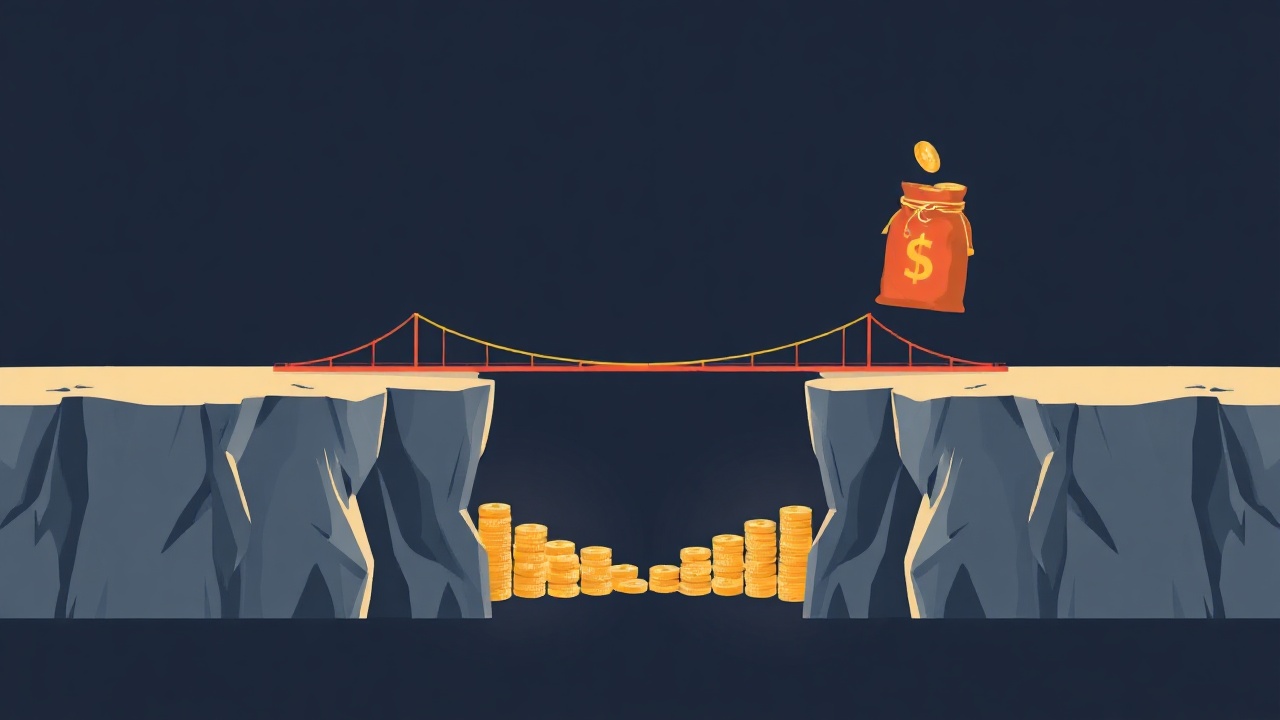
Most beginners don't fail at affiliate marketing because they're lazy or unlucky—they fail because they're working without the structural pieces that actually generate income. The effort myth says "just work harder," but the data shows that traffic systems, niche selection, and content velocity are what separate the 5% who earn from the 95% who quit. This article breaks down exactly why affiliate marketing fails for most people and gives you the specific fixes.
Can you really make money with this in 2026?
As of early 2026, affiliate marketing generates over $17 billion annually in the United States alone, and the channel continues growing at roughly 10% year-over-year. So yes—real money exists in this space.
But here's the honest context: the barrier to entry has never been lower, which means competition has never been higher. A decade ago, you could rank a thin review site with minimal effort. Today, you're competing against established publishers, AI-assisted content farms, and influencers with built-in audiences.
The opportunity hasn't disappeared. It's shifted. Winners in 2026 are building systems rather than chasing individual commissions. They're leveraging AI tools to produce content at scales that would have required a full editorial team in 2020. They're appearing in AI-powered search results, not just traditional Google rankings.
Is affiliate marketing worth it? Absolutely—if you understand that you're building a media asset, not buying a lottery ticket. The beginners who treat this as a business with operating systems will outperform those who treat it as a side hustle they'll "figure out."
How affiliate marketing actually works
Let's strip away the guru mystique and look at the mechanics.
Affiliate marketing is a referral system. You recommend products or services through tracked links. When someone clicks your link and makes a purchase (or completes an action like signing up), the merchant pays you a commission. That's it.
The chain looks like this:
- You create content that attracts an audience interested in a specific topic
- You recommend relevant products within that content using affiliate links
- Visitors click those links and land on the merchant's site with a tracking cookie
- Some visitors buy, and the merchant attributes that sale to you
- You get paid according to the program's commission structure and payment schedule
The commission models vary:
- Pay-per-sale: You earn a percentage of each sale (most common: 3-50%)
- Pay-per-lead: You earn when someone signs up, requests a quote, or completes a form ($1-$200+ per lead)
- Pay-per-click: You earn for each click sent (rare, low payouts)
- Recurring commissions: You earn ongoing percentages as long as the customer stays subscribed (SaaS products typically)
The reason why affiliate marketing fails for most people isn't that this system is flawed. It's that beginners skip step one—building content that actually attracts an audience—and jump straight to plastering affiliate links everywhere.
Step-by-step: how to start
Here's the actual process that working affiliates follow, with the shortcuts that eliminate the hardest bottlenecks.
Step 1: Choose a niche with transaction intent
Most affiliate failure reasons trace back to niche selection. Beginners pick topics they're "passionate about" without checking if those topics have commercial intent.
Your niche needs three things:
- Buyers exist: People actively spend money in this category
- Products pay commissions: Affiliate programs exist with reasonable rates
- You can differentiate: There's an angle that isn't saturated
Good niches aren't necessarily small. "Home office equipment" isn't too broad if your angle is "home office setups for people with chronic back pain." Specificity beats size.
Step 2: Build your content asset
You need a home base. For most affiliates, this means a website—a review site, comparison blog, or resource hub focused on your niche.
This is where most beginners stall for weeks. They research WordPress themes, compare hosting providers, and tinker with logos instead of publishing content. That delay kills momentum.
The fix is simple: use Site Engine to generate a complete review or blog site in under 60 seconds. You'll have a professional structure immediately, which means you can move to the only thing that matters—content.
Step 3: Create content at scale
One article won't build an affiliate business. Neither will ten. The affiliates earning consistent income are publishing 50-200+ pieces of targeted content, each one acting as a potential entry point for buyers.
Content types that convert:
- Product reviews: "[Product] Review: Is It Worth It in 2026?"
- Comparisons: "[Product A] vs [Product B]: Which Should You Buy?"
- Best-of roundups: "7 Best [Products] for [Specific Use Case]"
- Problem-solution guides: "How to Fix [Problem]" with product recommendations woven in
- Buyer guides: "Complete Guide to Choosing [Product Category]"
Manually writing 100 articles takes most people 6-12 months working part-time. That timeline is why so many beginners quit—they burn out before their content library reaches critical mass.
Content Engine solves this bottleneck by generating long-form, SEO-ready articles on autopilot. You're not sacrificing quality for speed; you're eliminating the production constraint that kills most affiliate sites before they gain traction.
Step 4: Solve the traffic equation
Content without traffic is a tree falling in an empty forest. This is where the structural failure of most affiliate marketers becomes obvious.
Traffic sources for affiliates:
- Organic search (Google): High intent, but takes 4-8 months to build
- AI-powered search (ChatGPT, Perplexity, Google AI Overviews): Growing fast, requires citation strategy
- Pinterest: Good for visual niches, faster than Google
- YouTube: Excellent conversion rates, higher production effort
- Email: Highest conversion, but requires list building first
In 2026, a significant portion of product research happens through AI tools. If your site isn't being cited by ChatGPT, Perplexity, or Google's AI Overviews, you're invisible to a growing segment of buyers.
Traffic Generator AI specifically addresses this gap, optimizing your content for AI citation so you appear when people ask these tools for product recommendations.
"The effort myth tells beginners to work harder. The data shows they need to work on the right systems. Traffic isn't a reward for good content—it's a prerequisite for any content to matter."
Step 5: Join affiliate programs and monetize
Only after your traffic system exists should you focus heavily on affiliate program selection. The best programs mean nothing with zero visitors.
Program options:
- Amazon Associates: Easy approval, low commissions (1-4%), massive product selection
- ShareASale/CJ/Impact: Thousands of merchants, varying commission rates
- Direct programs: Often highest commissions, apply on merchant websites
- SaaS affiliate programs: Recurring commissions (20-40% monthly), longer sales cycles
Apply to programs relevant to your niche content. Insert links naturally within existing articles. Track which products convert and double down on content promoting winners.

Realistic earnings & timeline
Let's talk real numbers based on industry data and observable results, not guru screenshots.
| Timeline | Typical Monthly Earnings | What's Happening |
|---|---|---|
| Months 1-3 | $0 - $50 | Building content library, site not yet indexed well |
| Months 4-6 | $50 - $300 | Early rankings, first consistent clicks and conversions |
| Months 7-12 | $300 - $1,500 | Content gaining traction, compounding effect begins |
| Year 2 | $1,500 - $5,000 | Established authority, diversified content and programs |
| Year 3+ | $5,000 - $20,000+ | Multiple traffic sources, email list, scaling systems |
These numbers assume consistent publishing (8-15 articles monthly), proper keyword targeting, and actual traffic-building effort. They also assume you don't quit.
The hard truth: 80% of affiliate beginners quit within 6 months, usually during the $0-$50 phase. They interpret slow results as proof that it "doesn't work" rather than understanding they're in the infrastructure-building stage.
Mistakes that kill beginners
These affiliate marketing mistakes consistently destroy new affiliates. Avoiding them won't guarantee success, but making them virtually guarantees failure.
Mistake 1: No traffic system before monetization
Beginners spend weeks researching affiliate programs, comparing commission rates, and crafting the perfect product review—then publish it to a site with zero visitors. Without traffic infrastructure, your content is invisible.
The fix: Build traffic sources (SEO, AI citation, Pinterest, YouTube) before obsessing over which affiliate program pays 0.5% more.
Mistake 2: Choosing saturated keywords without differentiation
Searching for "best running shoes" and writing yet another generic roundup won't rank. Established sites with years of authority own those terms.
The fix: Target long-tail, specific searches ("best running shoes for plantar fasciitis heavy runners") or create comparison content that established sites haven't covered.
Mistake 3: Promoting products you don't understand
Readers detect inauthentic recommendations instantly. If your review reads like you've never touched the product, trust evaporates.
The fix: Promote products you've used, or invest time in genuine research. Reference specific features, acknowledge limitations, and compare honestly.
Mistake 4: Expecting passive income without active building
Affiliate marketing becomes semi-passive after you've built the system. The first 12 months require consistent, active effort. Treating it as passive from day one leads to the half-finished site graveyard that marks most failures.
The fix: Commit to 12 months of active building before evaluating whether this "works" for you.
Mistake 5: Single traffic source dependency
Building entirely on Google search, or entirely on TikTok, or entirely on any single platform creates catastrophic risk. Algorithm changes can eliminate your traffic overnight.
The fix: After establishing your primary traffic source, systematically build secondary channels. Email is the only traffic you truly own.
Frequently asked questions
Why do most affiliate marketers fail?
Most affiliate marketers fail because they lack a traffic system, choose oversaturated niches without differentiation, and quit before their content gains search traction—typically within 90 days. It's a structural problem, not an effort problem.
How long does affiliate marketing take to work?
For most beginners publishing consistently, expect 4-8 months before seeing meaningful commissions. Search engines need time to index and rank content, and trust with audiences builds gradually through repeated exposure.
Is affiliate marketing worth it in 2026?
Yes, affiliate marketing remains worth it in 2026 if you approach it as a system-building exercise rather than a quick-money scheme. The market has matured, but AI tools have dramatically lowered the barrier to creating quality content at scale.
What is the biggest mistake new affiliate marketers make?
The biggest mistake is promoting products before building traffic infrastructure. Beginners often spend weeks perfecting product reviews that no one will ever see because they haven't solved the visibility problem first.
Can you do affiliate marketing without a website?
You can start on social platforms or YouTube, but owning a website gives you control over your traffic asset and email list. Platform algorithms change constantly, and accounts get suspended. A website is your insurance policy.
The bottom line
Why affiliate marketing fails isn't a mystery—it's a predictable outcome of missing structural pieces. Traffic systems, content velocity, and niche positioning separate earners from the burned-out majority. Build the systems first, stay consistent through the invisible months, and you'll be in the 5% who actually make this work.