
Quick Summary
Selling Notion templates remains one of the lowest-barrier digital product businesses you can start in 2026. You create a template once, list it on platforms like Gumroad or Etsy, and earn passive income every time someone downloads it. This guide walks you through finding profitable niches, building templates that actually sell, pricing strategies, and driving consistent traffic through Pinterest and SEO—no ads required.
Can you really make money with this in 2026?
As of early 2026, Notion has crossed 35 million users worldwide, and that number grows by roughly 20% annually. The template marketplace has matured, but demand hasn't slowed—it's shifted. Generic "life planner" templates now compete against thousands of lookalikes, while niche-specific solutions command premium prices and loyal customers.
The notion template business hit an estimated $47 million in combined marketplace revenue in 2025, according to creator economy analysts. That's not a typo. People pay real money for well-designed productivity systems because building from scratch takes hours they'd rather spend elsewhere.
Here's the honest reality: most sellers earn between $100 and $1,000 monthly. A smaller group—those who treat it like a real business���clear $3,000 to $10,000. The outliers making $20,000+ per month have large audiences, extensive template libraries, or both.
The opportunity isn't saturated; it's segmented. You won't compete with established creators selling generic planners. You'll carve out a specific niche, serve it better than anyone else, and build notion templates passive income that compounds over time.
How selling Notion templates actually works
The mechanics are straightforward. You design a Notion workspace—databases, pages, views, automations—that solves a specific problem. You duplicate that workspace into a shareable template link. You list it on a platform, and buyers receive instant access after purchase.
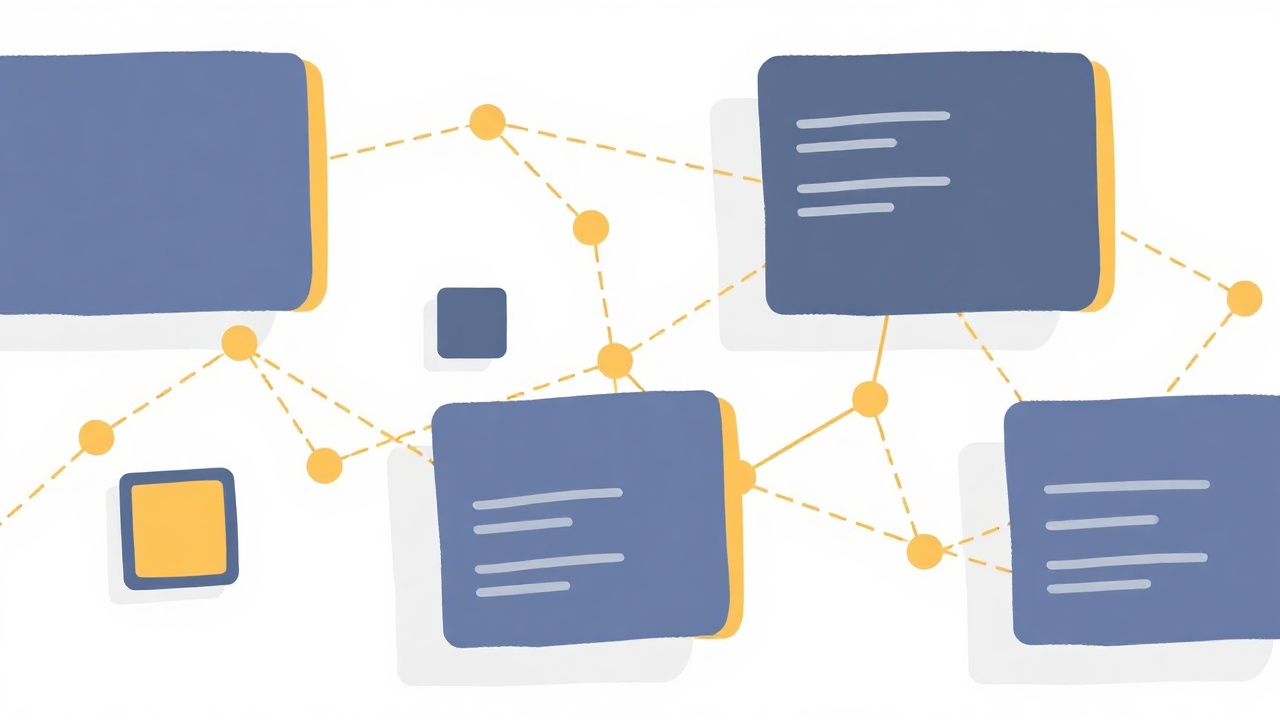
Platforms handle payment processing, delivery, and basic customer management. You keep 90-97% of each sale depending on the platform. The customer gets your template duplicated into their own Notion workspace, ready to customize.
This model creates genuine passive income because:
- Zero marginal cost: Selling one template or one thousand costs you nothing extra
- No inventory: Digital delivery eliminates fulfillment headaches
- Unlimited scale: Templates don't run out of stock
- Evergreen potential: A well-designed template sells for years with minor updates
The catch? You need to drive traffic. Unlike physical products where platforms provide discovery, digital templates require marketing effort. That's where Pinterest and SEO become your free traffic engines.
Step-by-step: how to start
1. Research profitable niches before you build anything
The fastest way to fail is creating what you think people want instead of what they're actively searching for. Start with data.
Open Notion's official template gallery and sort by popularity. Note categories with high engagement but limited quality options. Search Etsy for "Notion template" and filter by bestsellers—analyze what's moving.
Use free keyword tools to check search volume for phrases like "notion budget tracker," "notion content calendar," or "notion wedding planner." Monthly searches above 1,000 indicate solid demand.
The best notion templates to sell in 2026 fall into these categories:
- Finance: Budget trackers, net worth dashboards, debt payoff planners
- Business: CRM systems, project management hubs, client onboarding
- Content creation: Editorial calendars, social media planners, podcast trackers
- Students: Assignment trackers, study planners, course note systems
- Life management: Habit trackers, goal planners, journaling systems
- Niche-specific: Wedding planners, job search trackers, fitness logs
Pick a niche you understand. Your personal experience becomes your competitive advantage—you'll anticipate user needs that outsiders miss.
2. Design your first template with sellability in mind
Open Notion and start building. But think like a product designer, not just a user.
Solve one problem completely: A focused template outperforms an everything-but-the-kitchen-sink approach. "Ultimate Life Dashboard" sounds impressive but overwhelms buyers. "Freelancer Invoice & Payment Tracker" solves a specific pain point.
Make it visually distinctive: Use consistent icon styles, a cohesive color palette, and clean typography. Include a cover image. First impressions matter in marketplace thumbnails.
Build for customization: Add clear instructions within the template. Include sample data buyers can delete. Create views they can toggle based on preference.
Include documentation: A separate "Getting Started" page with bullet-point instructions reduces support requests and increases positive reviews.
Spend 10-20 hours on your first template. It needs to be genuinely excellent—your early buyers become your reviewers and word-of-mouth marketers.
3. Create compelling product assets
Your template won't sell itself. You need marketing assets that convert browsers into buyers.
Mockups: Create device mockups showing your template on laptop and mobile screens. Canva offers free mockup templates. Include 5-8 images per listing.
Product description: Write benefit-focused copy. Don't just list features—explain what those features do for the buyer. "30 pre-built database views" means nothing. "See your entire month at a glance without manual sorting" sells.
The template that solves a $50 problem can sell for $19 all day long. Price based on value delivered, not hours invested.
Demo video: A 60-90 second walkthrough showing the template in action increases conversions by 30-50% according to Gumroad's internal data. Use Loom or screen recording to keep production simple.
If writing product descriptions feels tedious, the Content Engine can generate SEO-optimized long-form descriptions and landing page copy that you refine with your product-specific details.
4. Choose your sales platforms strategically
You have three platform categories:
Marketplaces with built-in traffic (Etsy, Notion's official marketplace):
- Pros: Discovery from existing shoppers
- Cons: Higher fees, more competition, algorithm dependency
Creator-focused platforms (Gumroad, Lemonsqueezy, Payhip):
- Pros: Low fees (3-10%), simple setup, you own customer emails
- Cons: Zero built-in traffic—you drive everything
Your own website (Shopify, Stan Store, WordPress + WooCommerce):
- Pros: Full brand control, highest margins, best for bundles
- Cons: Most setup work, monthly costs
The smart play: list everywhere. Start with Gumroad for simplicity, add Etsy for discoverability, and eventually build your own storefront for brand-building.

When expanding to Etsy, the Etsy Engine helps you create additional digital products—like printable planners that complement your Notion templates—to cross-sell and expand your product line without starting from scratch.
5. Build your free traffic engine with Pinterest and SEO
Paid ads eat into margins. Pinterest and SEO deliver compounding free traffic.
Pinterest strategy:
- Create a business account and claim your website
- Design 4-6 pin graphics per template (different angles, quotes, features)
- Use keywords in pin titles, descriptions, and board names
- Pin consistently—10-15 pins weekly minimum
- Link directly to your product page or a blog post that leads there
Pinterest users actively search for organization solutions, productivity tools, and planning resources. Your ideal buyers are already there.
SEO strategy:
- Start a simple blog on your sales site or a free platform like Medium
- Write comparison posts: "Best Notion Budget Templates for Couples"
- Create tutorials: "How to Set Up a Content Calendar in Notion"
- Target long-tail keywords with 100-1,000 monthly searches
- Include natural links to your templates within helpful content
For scaling your blog content, the Content Engine generates SEO-ready articles that you can publish consistently without spending hours writing each piece yourself.
6. Launch, collect feedback, and iterate
Your first template probably isn't perfect. Launch it anyway.
Price it competitively for initial traction—$9-15 for simple templates, $19-29 for comprehensive systems. Offer a launch discount to early buyers in exchange for honest reviews.
Pay attention to customer questions and support requests. These reveal gaps in your documentation or features to add. Update your template quarterly to stay relevant and justify your pricing.
Realistic earnings & timeline
| Timeline | Expected Monthly Revenue | Template Library Size | Traffic Level |
|---|---|---|---|
| Month 1-3 | $0-100 | 1-3 templates | Minimal |
| Month 4-6 | $100-500 | 4-7 templates | Growing |
| Month 7-12 | $500-1,500 | 8-15 templates | Consistent |
| Year 2 | $1,500-5,000 | 15-30 templates | Established |
| Year 3+ | $3,000-10,000+ | 25+ templates | Scaling |
These numbers assume 5-10 hours weekly effort, consistent content marketing, and templates priced at $12-29 average. Your mileage varies based on niche competitiveness, template quality, and marketing consistency.
The notion templates passive income dream is real—but it takes 6-12 months of active building before the "passive" part kicks in meaningfully.
Mistakes that kill beginners
Building before researching: Creating templates nobody searches for wastes weeks of effort. Validate demand with keyword research and marketplace analysis first.
Underpricing dramatically: Charging $3 for a template that took 20 hours signals low quality. You attract bargain hunters who leave bad reviews over minor issues. Start at $9 minimum for simple templates.
Ignoring visual design: Notion's default styling looks generic. Templates with custom icons, cover images, and cohesive color schemes convert dramatically better. Spend time on aesthetics.
Expecting instant sales: Most creators see meaningful traction around month 4-6. The ones who quit at month 2 never reach the inflection point where SEO and Pinterest start delivering consistent traffic.
Neglecting customer support: One negative review can tank a new listing. Respond to questions within 24 hours. Offer refunds generously—a $15 refund costs less than a 1-star review that scares away hundreds of future buyers.
Frequently asked questions
How much money can you make selling Notion templates?
Most beginners earn $100-500 per month within 6 months. Consistent creators with 10+ quality templates and solid marketing often reach $1,000-3,000 monthly. Top sellers with established audiences report $5,000-15,000+ per month.
Do you need coding skills to create Notion templates?
No coding required. Notion uses a drag-and-drop interface with databases, toggles, and linked views. If you can organize a spreadsheet, you can build a Notion template. Advanced features like formulas and rollups take practice but are learnable in a few hours.
Where is the best place to sell Notion templates?
Gumroad and Lemonsqueezy are the most popular platforms due to low fees and easy setup. Etsy works well for discoverability. Your own website via Shopify or Stan Store offers higher margins. Most successful sellers use 2-3 platforms simultaneously.
What Notion templates sell best in 2026?
Life planners, finance trackers, business dashboards, content calendars, and student templates consistently perform well. Niche-specific templates like wedding planners, freelancer CRMs, and habit trackers with unique angles often outperform generic versions.
How long does it take to create a Notion template to sell?
A simple single-page template takes 2-4 hours. A comprehensive system with multiple linked databases, automations, and polished design typically requires 10-20 hours. Factor in additional time for mockups, descriptions, and video tutorials.
The bottom line
If you're organized enough to build systems for yourself, you're organized enough to sell notion templates to others. The business model rewards consistency over perfection—start with one quality template, market it relentlessly through Pinterest and SEO, and expand your catalog based on what sells. Build once, refine based on feedback, and let compounding traffic do the heavy lifting.
Get the AI tools to do all of this — free
Create a free Elite Engines account and get 5 AI money-making engines instantly. No credit card.