
Quick Summary
Digital products offer 90%+ profit margins, unlimited inventory, and zero shipping headaches—making them the most scalable income stream for online entrepreneurs in 2026. The seven best-selling categories include ebooks, printables, templates, courses, lead magnets, software tools, and digital art. AI has eliminated the biggest barrier to entry: creating products from scratch now takes hours instead of weeks.
Can You Really Make Money With This in 2026?
As of early 2026, the digital products market has crossed $330 billion globally, with individual creators capturing a larger share than ever before. This isn't theoretical—Etsy reported that digital download sales grew 42% year-over-year, Amazon KDP continues adding thousands of new six-figure authors annually, and platforms like Gumroad paid out over $850 million to creators last year alone.
The math is straightforward: a single digital product priced at $17 that sells 10 copies daily generates $5,100 monthly. That same product requires zero inventory, zero shipping, and zero marginal cost per sale. While physical product sellers watch their margins shrink to 15-25% after manufacturing, storage, and fulfillment, digital sellers keep 70-95% of every dollar.
The honest reality? Most beginners won't hit $5,000/month in their first six months. But the creators who treat this like a real business—publishing consistently, optimizing based on data, and building product ecosystems—regularly cross $10,000/month within 12-18 months. The barrier isn't skill anymore. It's execution.
How Selling Digital Products Online Actually Works
The mechanics of selling digital products are elegantly simple, which is precisely why the model scales so effectively.
First, you create a digital asset once. This could be an ebook, a spreadsheet template, a set of printable planners, or an online course. The creation happens one time, whether that takes you an afternoon with AI assistance or three months of manual work.
Second, you list that product on one or more platforms. Etsy handles printables and templates. Amazon KDP distributes ebooks. Your own website gives you full margin control. Each platform provides built-in traffic, payment processing, and automatic delivery.
Third, customers find your product through search, ads, or referrals. They pay, the platform instantly delivers the download, and you receive the revenue minus platform fees (typically 5-30% depending on the marketplace).
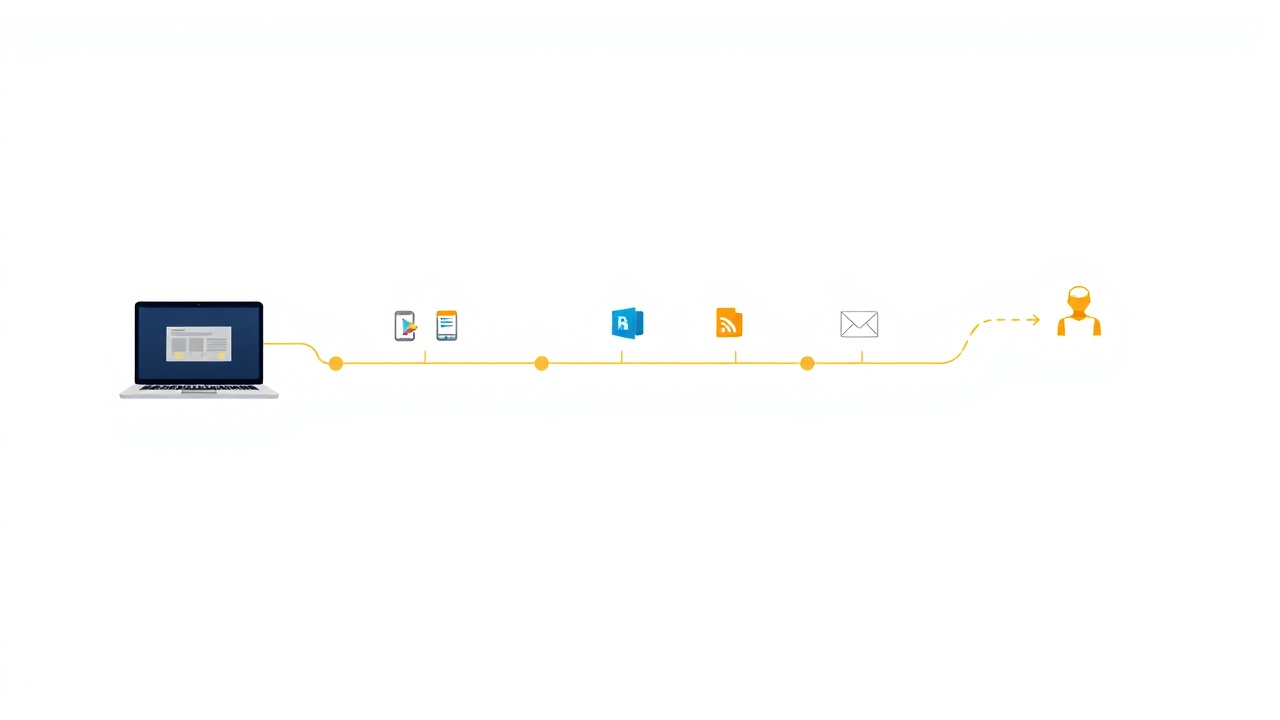
Fourth—and this is where passive income digital products differ from services—the process repeats infinitely without additional work from you. The same PDF you created in January sells in July, December, and three years later. Your role shifts from creator to optimizer: improving listings, expanding to new products, and scaling what works.
The leverage is asymmetric. A freelancer trades hours for dollars linearly. A digital product seller invests hours once and collects dollars repeatedly. This is why learning how to sell digital products online has become the default recommendation for creators seeking location-independent income.
Step-by-Step: How to Start Selling Digital Products
Step 1: Choose Your Product Category and Niche
The seven best digital products to sell in 2026 fall into distinct categories, each with different creation requirements and earning potential:
- Ebooks and guides — Evergreen information products with $2.99-$29.99 price points. Low-content books (journals, planners) sell volume; expertise-based guides command premium prices.
- Printable planners and organizers — The Etsy staple. Daily planners, meal planners, budget trackers, and habit trackers dominate search volume.
- Templates — Resume templates, social media templates, Notion dashboards, spreadsheet systems. Buyers pay for the shortcut.
- Online courses and workshops — Higher price points ($47-$497) but longer creation time. Best for established audiences.
- Lead magnets and email assets — Businesses pay well for done-for-you PDF guides, checklists, and opt-in incentives.
- Software tools and plugins — Technical barrier but highest margins and recurring revenue potential.
- Digital art and graphics — Clipart, illustrations, stock photos, patterns. Volume-based income.
Pick one category that matches your skills or interests. Going broad kills beginners; going narrow builds momentum.
Step 2: Validate Before You Create
The fastest path to failure is creating products nobody wants. Before investing creation time, validate demand:
- Search Etsy for your product idea and check if top results have 1,000+ sales
- Use Amazon KDP's search bar to see autocomplete suggestions for your topic
- Check Google Trends to confirm stable or growing interest
- Browse Reddit communities and Facebook groups for repeated questions your product could answer
You're looking for existing demand, not inventing new markets. The riches are in the niches—but only niches people are actively searching for.
Step 3: Create Your First Product (The AI Shortcut)
This is where most aspiring sellers stall. Traditional product creation required design skills, writing ability, and significant time investment. A quality ebook might take 40-60 hours. A comprehensive printable bundle could require 20+ hours of design work.
AI has compressed this timeline dramatically.
For ebooks and written products, the Book Engine generates complete, KDP-ready manuscripts including cover design and formatting. What previously took weeks now takes an afternoon. This is particularly valuable for low-content books, niche guides, and information products where the structure matters more than personal narrative.
For printables and Etsy products, the Etsy Engine creates market-ready designs optimized for what's actually selling on the platform. Rather than guessing at aesthetics, you're generating products aligned with proven demand.
The creators winning in 2026 aren't necessarily more talented—they're faster. AI removed the creation bottleneck, so the competitive advantage shifted to execution speed and market positioning.
Step 4: Set Up Your Sales Channels
Start with one primary platform, then expand:
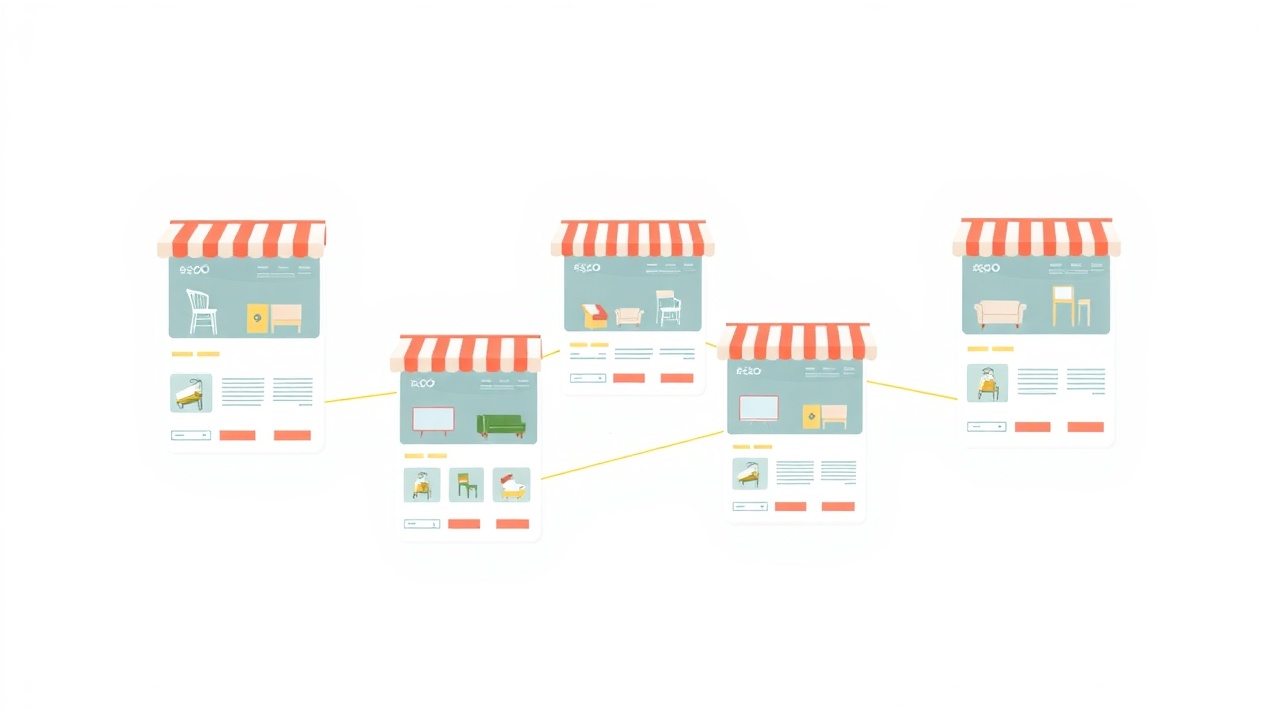
For printables and templates: Open an Etsy shop. The $0.20 listing fee and built-in traffic make it ideal for testing. Focus on SEO-optimized titles and all 13 keyword tags.
For ebooks: Enroll in Amazon KDP. Free to publish, 70% royalty on $2.99-$9.99 books, and access to millions of daily shoppers.
For premium products or full margin control: Build your own storefront. The Site Engine creates complete sales sites in under a minute, giving you a professional home base without the typical weeks of development time.
For lead magnets and B2B products: Gumroad or your own site with email integration. Business buyers expect professional delivery.
Step 5: Optimize Your Listings for Search
Platform search drives 80%+ of digital product discovery. Master the basics:
- Titles: Lead with keywords buyers actually search. "2026 Budget Planner Printable PDF" beats "My Beautiful Money Tracker."
- Descriptions: First 160 characters appear in search results. Front-load benefits and keywords.
- Images: Show the product in use. Mockups outperform flat designs for conversion.
- Pricing: Research competitor pricing. Price too low and buyers question quality; too high and you lose volume.
Step 6: Build Your Product Ecosystem
One product rarely builds a business. Successful digital product sellers create ecosystems:
- Bundles: Combine 3-5 related products at a slight discount
- Upsells: Offer premium versions with additional features
- Related products: If someone buys a meal planner, they likely want a grocery list template
- Lead magnets: Free products that capture emails for marketing your paid offerings
The Lead Magnet Engine generates instant PDF lead magnets with matching landing pages, letting you build an email list without the typical design and copywriting overhead. Email subscribers convert at 5-10x the rate of cold traffic.
Step 7: Scale What Works, Cut What Doesn't
After 30-60 days, your data reveals winners. Double down on products with strong sales velocity. Create variations, related products, and bundles around your hits. Quietly retire products with zero traction.
The goal is 20-50 products within your first year, knowing that 20% of them will generate 80% of your revenue. Speed to market beats perfection.
Realistic Earnings and Timeline
Honesty matters more than hype. Here's what actual earnings look like across experience levels:
| Stage | Timeline | Products Listed | Typical Monthly Revenue | Key Focus |
|---|---|---|---|---|
| Launch | Months 1-3 | 5-10 | $0-$300 | Learning platforms, testing ideas |
| Traction | Months 4-6 | 15-25 | $300-$1,000 | Optimizing winners, cutting losers |
| Growth | Months 7-12 | 30-50 | $1,000-$3,000 | Expanding product lines, bundles |
| Scale | Year 2 | 50-100+ | $3,000-$10,000 | Multiple platforms, paid traffic |
| Established | Year 3+ | 100+ | $10,000-$30,000+ | Systems, outsourcing, brand building |
These numbers assume consistent effort: 5-10 hours weekly minimum, publishing 2-4 new products monthly, and treating data as your guide. Creators who publish sporadically or abandon the project after month two don't appear in success statistics.
The compounding nature of digital products means year two earnings often triple year one—assuming you didn't quit during the slow early months.
Mistakes That Kill Beginners
Creating before validating. The graveyard of digital product businesses is filled with beautifully designed products nobody searched for. Spend one hour on validation for every four hours on creation.
Perfectionism paralysis. Your first product won't be your best. Ship it at 80% quality, gather feedback, improve with version two. The market teaches you faster than planning ever will.
Platform dependency without diversification. Etsy changes algorithms. Amazon adjusts royalties. Building on one platform alone puts your business at constant risk. Expand to a second platform within your first six months.
Ignoring SEO fundamentals. Clever product names don't rank. Keyword-rich titles do. Your creativity belongs in the product itself, not the listing title that determines whether anyone finds it.
Underpricing out of fear. New sellers often price at $1.99 out of insecurity. Low prices attract low-quality buyers, generate thin margins, and position your brand as budget-tier. Test higher prices than feel comfortable—you'll often be surprised.
Frequently Asked Questions
What is the best platform to sell digital products in 2026?
The best platform depends on your product type. Etsy works well for printables and planners, Amazon KDP dominates ebooks, Gumroad suits creators with existing audiences, and Shopify gives you full control for premium products. Many sellers use multiple platforms simultaneously.
How much money can you make selling digital products?
Earnings vary widely. Beginners typically make $100-500/month in their first 6 months, while established sellers with 20+ products often earn $2,000-10,000/month. Top sellers in niches like planners or ebook publishing report $20,000+ monthly, though this usually takes 18-24 months to achieve.
Do you need design skills to create digital products?
No. AI tools and templates have eliminated the design barrier. Platforms like Canva offer drag-and-drop editing, and AI engines can generate complete products including ebooks, printables, and lead magnets without requiring any design experience.
What digital products sell best on Etsy?
The top-selling digital products on Etsy include printable planners, wedding invitation templates, resume templates, wall art prints, social media templates, budget spreadsheets, and digital stickers. Products solving specific problems (wedding planning, job hunting) typically outperform decorative items.
How long does it take to create a digital product?
Traditional creation takes 10-40 hours per product. With AI assistance, simple products like printables take 30-60 minutes, ebooks take 2-4 hours, and comprehensive courses take 1-2 weeks. The time savings from AI tools is the primary reason digital product businesses now scale faster than ever.
The Bottom Line
Learning how to sell digital products online isn't complicated—it's a system of validated creation, strategic listing, and relentless iteration. The creators earning real passive income digital products revenue in 2026 aren't unicorns with special talents; they're consistent executors who published when it felt too early and optimized when the data showed the path. AI has removed the last legitimate excuse. The only question is whether you'll build the catalog.
Get the AI tools to do all of this — free
Create a free Elite Engines account and get 5 AI money-making engines instantly. No credit card.