
Quick Summary
Choosing between Printful vs Printify comes down to your priorities: Printful offers superior quality control and consistency at higher base costs, while Printify provides a marketplace of print providers with lower prices but variable quality. For beginners prioritizing margins, Printify's flexibility wins. For sellers building a premium brand, Printful's reliability justifies the extra cost. Both integrate with every major platform, so your decision should hinge on product selection, profit margins, and how much quality control you're willing to manage yourself.
Can you really make money with this in 2026?
As of early 2026, print on demand remains one of the most accessible ecommerce models for new entrepreneurs—and yes, you can genuinely profit with either supplier. The global POD market hit $8.5 billion in 2025 and continues growing at roughly 26% annually.
But here's the honest truth: margins are tighter than ever. The sellers making real money aren't just uploading random designs and hoping for sales. They're treating this like a business, which means choosing the right POD supplier comparison factors for their specific niche.
Printful reports their average seller processes 4.2 orders daily, while Printify claims over 8 million merchants on their platform. Competition is fierce, but the market is expanding faster than saturation. The difference between failing and earning $3,000-$10,000 monthly often comes down to supplier choice, design quality, and operational efficiency.
Neither platform guarantees success. Both can absolutely work if you understand their strengths and build around them.
How Printful vs Printify actually works
Both platforms operate on the same fundamental model: you create designs, list products on your store, and when a customer orders, the POD company prints and ships directly to them. You never touch inventory.
The critical difference lies in their business structures.
Printful owns and operates their own fulfillment centers across North America, Europe, Mexico, Japan, and Australia. When you order through Printful, their employees print your products in their facilities. This vertical integration means consistent quality but higher base costs—they're paying their own staff, maintaining equipment, and controlling every step.
Printify operates as a marketplace connecting you to independent print providers worldwide. You choose which provider fulfills each product based on price, location, quality ratings, and production time. This creates competition that drives costs down but introduces variability—Provider A might deliver excellent hoodies while Provider B produces mediocre ones.
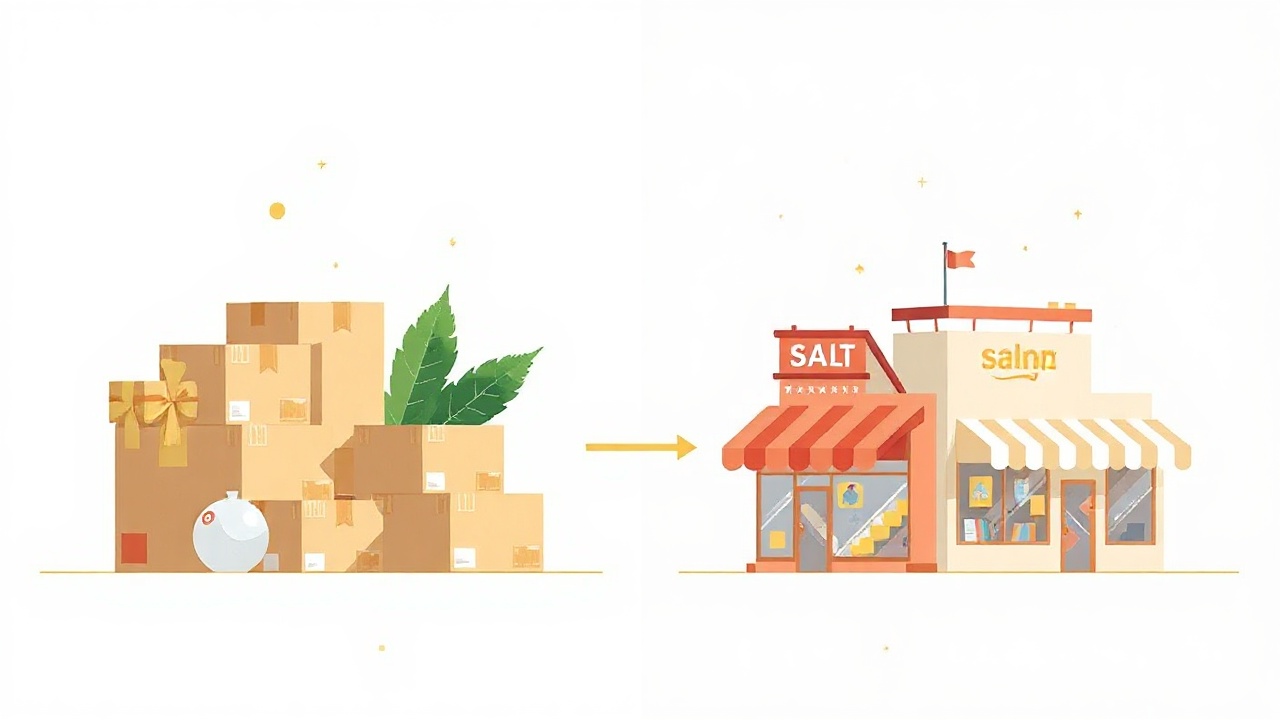
Printful charges no monthly fees for their basic plan. Printify offers a free tier plus a $29/month Premium plan that unlocks up to 20% discounts on all products—essential for serious sellers.
Both platforms make money by charging you base costs higher than their actual production expenses. Your profit is the difference between your retail price and their base cost plus shipping. Understanding these mechanics helps you see why the Printify or Printful debate matters so much for your bottom line.
Step-by-step: how to start
Step 1: Define your niche and product focus
Don't skip this. The best print on demand supplier for pet-themed apparel might differ from the best for minimalist wall art. Printful excels at embroidered products and all-over prints. Printify offers wider product variety at competitive prices for standard DTG items.
Research what's selling in your target market. If you're entering the Etsy ecosystem with printables alongside POD products, the Etsy Engine can help you validate demand and create complementary digital products that boost your store's authority while you build your POD catalog.
Step 2: Create accounts on both platforms
Seriously—sign up for both. Accounts are free, and you need to see actual base costs for your specific products. Prices change frequently, and generic comparisons become outdated within months.
Connect your email and explore each dashboard. Note the interface differences: Printful feels more polished, Printify more utilitarian. Both work fine once you're familiar with them.
Step 3: Compare base costs for your specific products
Here's where most comparison articles fail you. They quote prices that might be six months old. Log into both platforms right now and check:
- Your primary product (t-shirts, hoodies, mugs, etc.)
- Shipping costs to your target markets
- Any premium options (embroidery, all-over print, special materials)
For a standard Bella+Canvas 3001 unisex tee, Printify typically runs $7.50-$9.50 depending on provider, while Printful charges $11-$13. That $3-4 difference multiplies fast across hundreds of orders.
Step 4: Order samples from both
Non-negotiable. Order identical products from Printful and your top Printify provider choices. Spend $50-$100 on samples before selling a single item.
Evaluate print vibrancy, fabric quality, stitching, and packaging. Take photos. This firsthand comparison tells you more than a thousand reviews.
Step 5: Integrate with your sales channel
Both platforms connect natively with Shopify, Etsy, WooCommerce, Amazon, eBay, Squarespace, Wix, and BigCommerce. Integration takes 5-15 minutes.
Printful's integration is slightly smoother due to tighter platform partnerships. Printify occasionally requires manual syncing for inventory updates. Neither is difficult.
The sellers who treat Printful vs Printify as an either/or decision often leave money on the table. Smart operators use both strategically—Printful for premium products where quality justifies higher prices, Printify for volume items where margins matter most.
Step 6: Create your product listings with optimized visuals
Your mockups and listing images directly impact conversion rates. Both platforms offer mockup generators, but serious sellers create custom lifestyle photography or enhanced visuals.
If you're also building a YouTube presence around your brand, the Thumbnail Engine helps create professional visuals that maintain brand consistency across your marketing channels.
Step 7: Set competitive pricing that protects margins
Calculate your true costs: base product + shipping + platform fees + transaction fees. Then add your profit margin.
With Printify's lower base costs, you can either undercut competitors or maintain standard prices with higher margins. With Printful, you'll likely need premium positioning to maintain healthy profits.
A 30-40% margin is considered healthy for POD. Below 25%, one bad return can wipe your profit for the day.
Realistic earnings & timeline
Honest numbers based on seller surveys and platform data:
| Timeline | Effort Level | Expected Monthly Revenue | Expected Monthly Profit | Notes |
|---|---|---|---|---|
| Month 1-2 | 15-20 hrs/week | $0-$200 | -$50 to $50 | Learning curve, sample orders, setup costs |
| Month 3-4 | 15-20 hrs/week | $200-$800 | $50-$250 | First consistent sales, refining listings |
| Month 5-6 | 10-15 hrs/week | $500-$2,000 | $150-$600 | Organic traffic building, repeat customers |
| Month 7-12 | 10-15 hrs/week | $1,000-$5,000 | $300-$1,500 | Optimized operations, expanded catalog |
| Year 2+ | 8-12 hrs/week | $3,000-$15,000+ | $1,000-$5,000+ | Brand recognition, diversified products |
These figures assume consistent effort, decent design work, and proper niche selection. The difference between Printful and Printify might shift your margins 5-15% in either direction depending on your product mix.
Most sellers who quit do so before month four. Persistence matters more than platform choice.
Mistakes that kill beginners
1. Choosing based on base cost alone
Yes, Printify is cheaper. But if your chosen provider delivers inconsistent quality, you'll eat the cost in returns, negative reviews, and lost repeat customers. A $3 savings per shirt means nothing if your one-star review tanks your listing visibility.
Always factor in quality ratings, production times, and provider reliability scores within Printify's marketplace.
2. Ignoring shipping costs and times in your comparison
Base product costs grab attention, but shipping often determines actual profitability. Printful's flat-rate shipping from their distributed fulfillment centers frequently beats Printify providers shipping from single locations.
Run complete cost calculations including shipping to your primary markets before deciding.
3. Never ordering samples
Absolutely inexcusable. Sellers who skip samples inevitably face angry customers, returns, and refunds. The $75 you spend on samples saves you $750 in problems.
Order samples annually, too. Production quality shifts as providers change equipment or staff.
4. Failing to diversify products across both platforms
Using only one supplier creates single points of failure. If Printful experiences production delays (happened in 2024) or your Printify provider closes shop (happens regularly), your entire business stalls.
Smart sellers maintain active relationships with both platforms.
5. Competing purely on price
The race to the bottom destroys POD businesses. When you undercut competitors by using the cheapest Printify providers, you sacrifice quality. Customers notice. Reviews suffer. You can't build a sustainable business on razor-thin margins and mediocre products.
Differentiate through design, branding, customer service, and niche expertise—not just price.
Frequently asked questions
Is Printful or Printify cheaper for beginners?
Printify is generally cheaper for beginners due to its marketplace model offering multiple print providers with varying base costs. A basic t-shirt on Printify can cost $2-4 less than Printful, though quality varies by provider. Printful charges more but maintains consistent quality control.
Which has faster shipping times, Printful or Printify?
Printful typically offers more consistent shipping times of 3-5 business days domestically because they own their facilities. Printify shipping varies by print provider, ranging from 2-8 business days. Both offer international shipping, but Printful's in-house fulfillment centers provide more predictable delivery windows.
Can I use both Printful and Printify at the same time?
Yes, many successful sellers use both platforms simultaneously. You can list different products from each supplier or even the same product from both to compare quality and fulfillment. Most ecommerce platforms like Shopify, Etsy, and WooCommerce support multiple POD integrations.
Which POD service has better print quality in 2026?
Printful consistently ranks higher for print quality due to their in-house production and quality control. Printify quality depends on which print provider you select—premium providers like Monster Digital match Printful quality, while budget providers may show inconsistencies. Always order samples before selling.
Do Printful and Printify integrate with Etsy?
Both Printful and Printify offer seamless Etsy integrations. They automatically sync products, handle order routing, and update tracking information. Setup takes about 10 minutes for either platform. Printify offers a slight edge with their Etsy-specific mockup optimization features.
The bottom line
The Printful vs Printify debate has no universal winner—only the right choice for your specific business. Use Printify when margins matter and you're willing to vet providers carefully. Use Printful when consistency and quality control justify higher base costs. The smartest move? Use both strategically, let each platform handle what it does best, and build a resilient business that doesn't depend on any single supplier.