Quick Summary
Micro influencer money is real and accessible in 2026—brands increasingly prefer creators with 1,000-50,000 engaged followers over expensive celebrity endorsements. You don't need millions of followers to earn consistent income; you need a specific niche, authentic engagement, and a professional pitch process. This guide shows you exactly how micro influencer brand deals work, what brands actually pay, and the step-by-step process to land your first sponsorship with a small but loyal audience.
Can you really make money with this in 2026?
As of early 2026, micro-influencer marketing has become a $7.2 billion segment of the broader creator economy—and that number grows roughly 18% year-over-year. The shift isn't hype; it's economics. Brands discovered that ten micro-influencers with 5,000 followers each often generate more conversions than one macro-influencer with 500,000 followers, at a fraction of the cost.
Here's what changed: consumer trust in polished celebrity endorsements cratered. People buy from people they feel they know. A nano influencer recommending a skincare product to 2,000 followers who actually read their captions converts at 3-5x the rate of a sponsored post buried in a celebrity's feed.
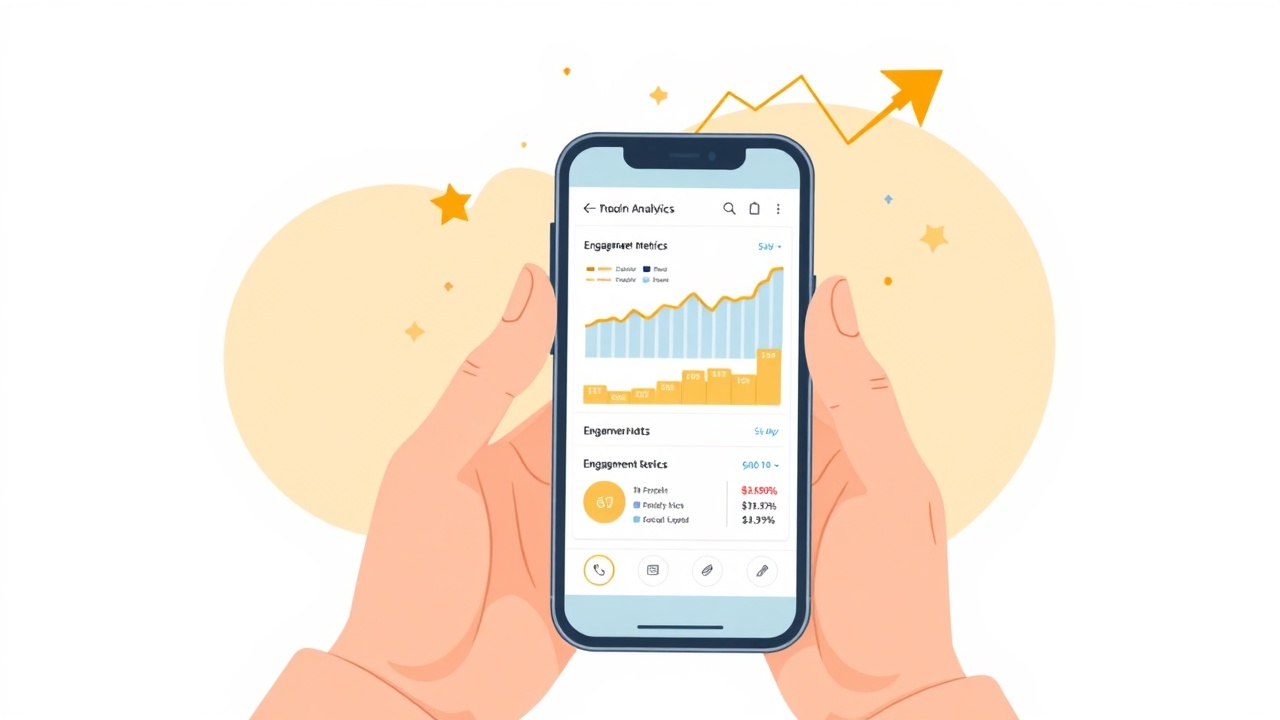
The practical reality? Creators with 1,000-10,000 followers now regularly earn $200-$2,000 monthly from brand partnerships alone. Those in the 10,000-50,000 range often hit $1,000-$5,000 monthly. The ceiling depends on your niche (finance and tech pay more than lifestyle), your engagement rate (aim for 4%+), and your ability to pitch professionally.
This isn't passive income. You're trading content creation and audience trust for money. But it's legitimate, scalable, and doesn't require you to quit your job or become internet-famous.
How micro influencer money actually works
Let's demystify this. Brands have marketing budgets. Traditionally, they spent those budgets on ads. But social media ads face rising costs (CPMs increased 31% since 2023) and declining effectiveness (banner blindness is real). Influencer marketing offers an alternative: pay someone with audience trust to authentically recommend products.
Micro-influencers fit a specific gap in this strategy:
Why brands pay small creators:
- Higher engagement rates: Accounts under 10,000 followers average 4-8% engagement. Accounts over 100,000 average 1-2%.
- Niche authority: A 3,000-follower account focused entirely on vintage watches reaches more qualified buyers than a 300,000-follower lifestyle account.
- Cost efficiency: $150 for a micro-influencer post vs. $15,000 for a macro-influencer means brands can run 100 micro-campaigns for the same budget.
- Authenticity: Smaller creators typically maintain real relationships with followers—comments get replies, DMs get answered.
The transaction structure:
Most micro influencer brand deals fall into three categories:
- Flat-fee sponsorships: Brand pays you $50-$500 to create one piece of content featuring their product. Most common for beginners.
- Affiliate partnerships: You get a unique link or code. Earn 10-30% commission on every sale. Lower upfront pay, higher ceiling.
- Retainer agreements: Brand pays you $200-$2,000 monthly to be an ongoing ambassador. Usually requires proving results first.
Your small account monetization strategy should start with flat-fee deals, graduate to hybrid models (flat fee + affiliate commission), and eventually secure retainers with brands you love.
"The creator with 5,000 followers who replies to every comment will always outperform the creator with 50,000 followers who broadcasts into the void. Brands learned this the expensive way."
Step-by-step: how to start
Step 1: Define your niche until it hurts
Generic accounts don't get brand deals. "Lifestyle" isn't a niche. "Minimalist apartment living for remote workers in their 30s" is a niche. The tighter your focus, the easier brands can see why their product fits your audience.
Audit your last 30 posts. What topics generated the most saves and shares (not just likes)? Double down there. Brands want specialists, not generalists.
Step 2: Optimize your profile for partnerships
Before any outreach, your profile needs to signal professionalism:
- Bio: Clear statement of what you cover and who you help. Include "DM or email for collabs" explicitly.
- Contact info: Business email visible (not buried in a link tree).
- Content quality: Your last 9-12 posts should look cohesive and polished.
- Engagement proof: Pin your highest-engagement posts to demonstrate audience interaction.
Step 3: Build a media kit (even at 1,000 followers)
A media kit legitimizes you. It should include:
- Follower count and platform breakdown
- Engagement rate (calculate: average likes + comments ÷ followers × 100)
- Audience demographics (age, location, interests—pull from platform analytics)
- 2-3 examples of past content or mock-ups
- Your rates (or "rates available upon request" if you prefer negotiating)
Create this as a clean PDF. One page is enough at the micro level.
Step 4: Create content that attracts brands organically
Brands scout creators by searching hashtags and exploring competitor tagged photos. Make yourself discoverable:
- Tag brands you already use (authentically, not desperately)
- Use specific product hashtags, not just broad ones
- Create "review-style" content showing how you use products
If you're publishing YouTube content as part of your strategy, your thumbnails matter more than most creators realize. A video reviewing products that gets clicked creates a portfolio piece brands can see. Thumbnail Engine can generate scroll-stopping thumbnails that actually get your review content seen—useful when you're trying to build that portfolio.
Step 5: Build your prospect list
Identify 20-50 brands that fit your niche. Look for:
- Brands already sponsoring creators your size (check competitors' tagged posts)
- Companies with active social presence (they understand the space)
- Products you'd genuinely use and recommend
Find the marketing manager or influencer coordinator on LinkedIn. If the company is small, the founder often handles partnerships directly.
Step 6: Pitch directly (the exact framework)
Cold outreach works when done right. Email beats DMs for professionalism. Here's the framework:
Subject line: "Partnership idea: [Your Niche] creator + [Brand Name]"
Email body:
- One sentence about why you love their product (specific, not generic)
- One sentence about your audience and why it matches their customer
- One sentence with a concrete content idea you could create
- Attach or link your media kit
- Clear call to action: "Would you be open to a quick call this week?"
Keep it under 150 words. Busy marketing managers skim.
Step 7: Negotiate and deliver professionally
When brands respond, don't immediately accept their first offer. Ask about their goals for the campaign (awareness vs. sales), timeline, and content expectations. This positions you as a professional, not a desperate creator.
After the campaign, send a results summary: screenshots of engagement, any DMs from followers asking about the product, click/conversion data if available. This gets you rehired and referred.
Step 8: Scale through systems
Once you're landing deals, the bottleneck becomes content production. You're creating for your audience and for brand campaigns, while also pitching new partnerships.
If you're running a blog or newsletter alongside social content, Content Engine can draft long-form articles that support your social presence without consuming your creative bandwidth. That frees you to focus on the relationship-building that actually closes deals.
Similarly, getting discovered by AI search engines matters now more than ever. Brands research potential partners through ChatGPT, Perplexity, and Google's AI overviews. Traffic Generator AI helps your content surface in these AI citations—which means brands searching for "[your niche] micro-influencer" might actually find you.
Realistic earnings & timeline
Let's ground this in actual numbers based on 2026 market rates:
| Follower Range | Typical Per-Post Rate | Monthly Potential (4-8 deals) | Timeline to First Deal |
|---|---|---|---|
| 1,000-2,500 | $25-$75 | $100-$600 | 2-4 months |
| 2,500-5,000 | $50-$150 | $200-$1,200 | 1-3 months |
| 5,000-10,000 | $100-$300 | $400-$2,400 | 2-6 weeks |
| 10,000-25,000 | $150-$500 | $600-$4,000 | 1-4 weeks |
| 25,000-50,000 | $250-$800 | $1,000-$6,400 | Often inbound |
Critical caveat: These rates assume 4%+ engagement and a defined niche. A 10,000-follower account with 1.5% engagement and generic content might not land any deals.
Timeline reality: Most creators need 60-90 days of consistent, niche-focused content before their first brand approach gains traction. The first deal is the hardest. After 3-5 successful campaigns, referrals and inbound inquiries start flowing.
Mistakes that kill beginners
1. Accepting every deal regardless of fit
Your audience trusts you. Promote a sketchy supplement or irrelevant product, and that trust evaporates—along with your engagement rate. Declining misaligned deals protects your long-term earning potential.
2. Undercharging because you're "small"
Brands expect negotiation. If you quote $50 and accept immediately, you've left money on the table and signaled inexperience. Research industry rates, quote slightly above your target, and let them counter.
3. Ignoring FTC disclosure requirements
Every sponsored post must include clear disclosure (#ad, #sponsored, or platform partnership labels). Brands that pressure you to hide sponsorships are liabilities. One FTC complaint can destroy your creator career.
4. Creating brand content that looks like ads
The whole point of micro-influencer marketing is authenticity. If your sponsored post reads like a press release, it performs worse than organic content—which makes you less valuable to brands. Make sponsorships feel native to your voice.
5. Not following up after campaigns
Many creators deliver content and disappear. Send a thank-you note with performance metrics. Ask for a testimonial. Inquire about future campaigns. This turns one-time deals into ongoing relationships.
Frequently asked questions
How many followers do you need to get paid as a micro-influencer?
Most brands consider micro-influencers to have between 1,000 and 100,000 followers. However, you can start landing paid deals with as few as 1,000-2,500 highly engaged followers in a specific niche. Engagement rate matters more than follower count—brands increasingly prefer 3-8% engagement over large but passive audiences.
How much do micro-influencers get paid per post in 2026?
As of early 2026, micro-influencers typically earn $50-$150 per Instagram post, $100-$500 per YouTube integration, and $25-$100 per TikTok video. Rates vary significantly by niche—finance, tech, and B2B creators often command 2-3x higher rates than lifestyle or entertainment niches.
Do brands really work with small accounts under 10,000 followers?
Yes, many brands actively prefer nano influencers (1,000-10,000 followers) because they typically have higher engagement rates, more authentic audience relationships, and lower costs. In 2026, over 60% of brand influencer budgets go to creators with under 50,000 followers.
What's the best platform for micro-influencer brand deals?
Instagram remains the most lucrative for micro-influencer brand deals due to its shopping features and Story format. However, TikTok offers faster growth potential, YouTube provides higher per-deal payments, and LinkedIn is emerging for B2B micro-influencers. Choose based on where your target audience spends time.
How do I find brands that want to work with micro-influencers?
Start by identifying brands already sponsoring creators your size through competitor research. Use influencer platforms like AspireIQ, Grin, or Collabstr. Pitch directly via email or Instagram DM to marketing managers at brands you genuinely use. Most successful micro-influencers land their first 3-5 deals through direct outreach, not inbound requests.
The bottom line
Micro influencer money isn't a fantasy, but it requires treating your small account like a business. You don't need to wait until you're famous—brands are actively looking for creators your size right now. Pick a niche, professionalize your presence, pitch relentlessly, and deliver results that get you rehired.
Get the AI tools to do all of this — free
Create a free Elite Engines account and get 5 AI money-making engines instantly. No credit card.