
Quick Summary
White label products let you skip the hard part of product creation and jump straight to selling. You purchase ready-made products—digital downloads, courses, software, or physical goods—rebrand them as your own, and keep the profit margin. In 2026, the white label industry has matured into a legitimate shortcut for entrepreneurs who want results without months of development time. This guide shows you exactly how to find profitable white label products to sell, customize them for your brand, and build a sustainable reseller income.
Can you really make money with this in 2026?
As of early 2026, the global white label market generates over $24 billion annually, with digital products representing the fastest-growing segment. This is not theoretical—resellers are actively building five and six-figure businesses by finding quality products, adding their branding, and selling through established channels.
The math works because you eliminate the most expensive and time-consuming parts of running a product business: research and development, content creation, manufacturing, and quality testing. Someone else has already done that work. You simply license their finished product, customize it for your audience, and focus entirely on marketing and sales.
Three factors make 2026 particularly favorable for white label resellers. First, the explosion of AI tools has made customization faster than ever—you can rebrand a 200-page ebook in an afternoon. Second, established marketplaces like Etsy, Gumroad, and Shopify have normalized digital product purchases, so customers expect and trust these transactions. Third, content saturation means buyers increasingly value curation and presentation over pure originality. They want solutions that work, and they do not care if you invented them from scratch.
The honest answer: yes, you can make real money with white label products, but your success depends entirely on how well you select products, customize them, and reach the right buyers.
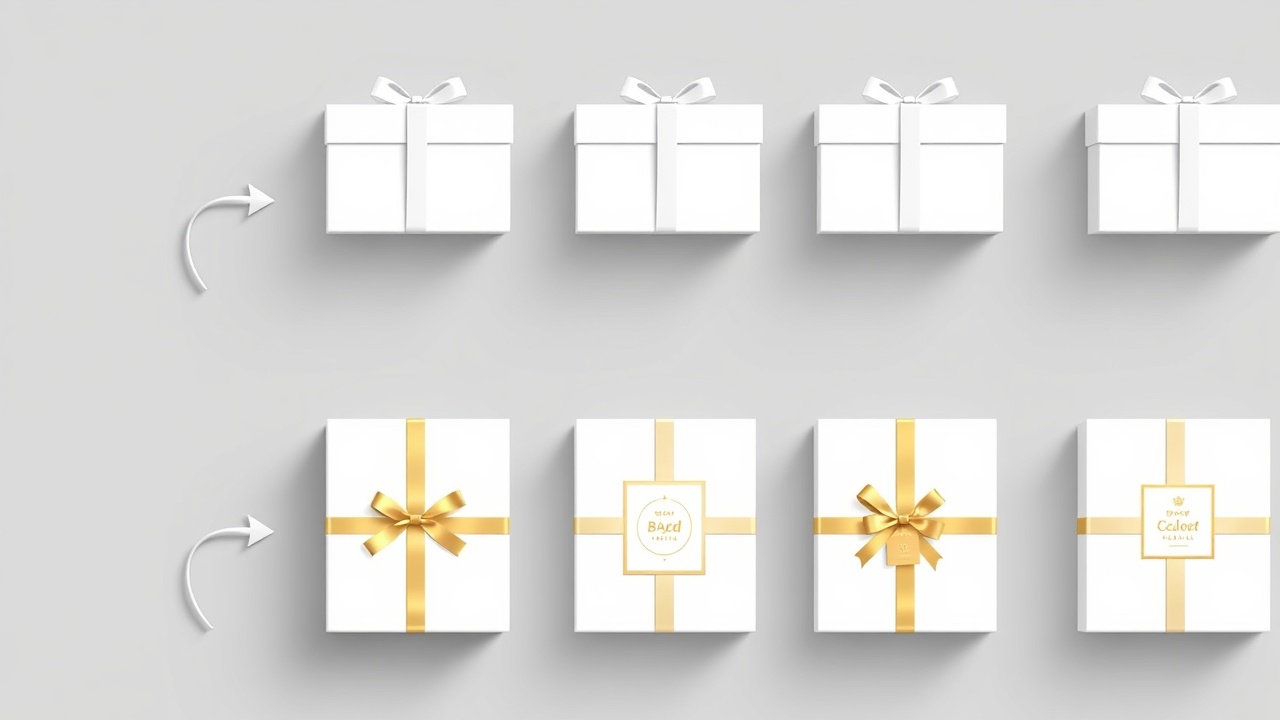
How white label products actually work
The white label business model has three simple stages: source, customize, and sell.
In the sourcing stage, you find products that come with commercial resale rights. For digital products, this typically means PLR (Private Label Rights) content, which explicitly grants you permission to rebrand and sell. For physical products, you work with manufacturers who produce generic goods designed for rebranding.
Customization is where you add value. A raw PLR ebook might have solid information, but it looks generic and has no personality. Your job is to rewrite sections, add your branding, improve the design, and position it for a specific audience. The more you customize, the more you can charge and the less competition you face.
Selling happens through whatever channel fits your product and audience. Digital products work well on marketplaces like Etsy and Gumroad, through your own website, or as lead magnets that drive other sales. Physical products typically sell through Amazon, Shopify stores, or wholesale relationships.
The profit margin on white label digital products is exceptional—often 80-95%—because your only costs are the original license fee and any tools you use for customization. Physical products have lower margins (typically 30-50%) due to manufacturing, shipping, and inventory costs.
The entrepreneurs who struggle with white label treat it as a copy-paste business. The ones who thrive treat it as a customization and positioning business.
Step-by-step: how to start
Step 1: Choose your product category
Start by selecting a product type that matches your skills and target audience. Digital products have lower startup costs and higher margins, making them ideal for beginners. The most popular white label digital products include:
- Ebooks and guides
- Online courses and video training
- Printables (planners, worksheets, wall art)
- Templates (social media, presentations, documents)
- Software and SaaS tools
- Stock content (articles, photos, graphics)
Physical products require more capital but can build stronger brand loyalty. Popular physical white label products include supplements, skincare, coffee, pet products, and cleaning supplies.
For your first white label venture, digital products offer the gentlest learning curve.
Step 2: Find quality source products
The quality of your source product determines your ceiling. Mediocre products cannot be saved by good branding.
For PLR content and ebooks, look for products created in the last 12-18 months with accurate, actionable information. The PLR Engine provides access to over 100,000 done-for-you articles plus an AI rewriter, which lets you quickly find and transform content into unique products. This saves weeks compared to hunting through individual PLR sites.
For printables and digital downloads, you need either design skills or a tool that handles the creation process. The Etsy Engine specializes in creating printables specifically designed to sell on Etsy, handling both the design and marketplace optimization aspects.
Always verify licensing terms before purchasing. You need explicit commercial resale rights, not just personal use rights.
Step 3: Customize for differentiation
This step separates profitable resellers from those who get lost in a sea of identical products. Your customization should include:
- Complete visual rebranding (cover design, interior formatting, color scheme)
- Content editing to match your voice and audience
- Adding unique elements (bonus sections, updated statistics, case studies)
- Creating a product name and positioning that stands out
For written content, run everything through an AI rewriter to ensure uniqueness, then manually edit for quality. The goal is a product that feels original even though the underlying structure came from a template.
Step 4: Build your sales infrastructure
You need a place to sell and a way to deliver your products. Options include:
- Marketplaces (Etsy, Gumroad, Creative Market): Built-in traffic, but fees and competition
- Your own website (Shopify, WooCommerce, Podia): Full control, but you drive all traffic
- Hybrid approach: Use marketplaces for discovery while building your own platform
For digital products, automated delivery is essential. Platforms like Gumroad, SendOwl, and Podia handle this automatically. For physical products, you will either need to handle fulfillment yourself or work with a third-party logistics provider.
Step 5: Create supporting content
Successful white label businesses do not just list products and wait. They create content that attracts buyers. This might include:
- Blog posts targeting keywords related to your products
- Pinterest pins showcasing your printables or templates
- YouTube tutorials demonstrating how to use your products
- Email sequences nurturing potential buyers
Content creation is often the bottleneck for solo entrepreneurs. The Content Engine generates long-form, SEO-ready articles on autopilot, letting you maintain a consistent publishing schedule without spending hours writing each piece.
Step 6: Launch and iterate
Your first product launch teaches you more than months of planning. Get your product listed, drive initial traffic, and pay attention to what happens. Track which products get views, which convert, and what questions buyers ask.
Use this feedback to improve your listings, adjust your positioning, and select your next products. The white label business model rewards iteration—each product launch refines your understanding of what your audience wants.
Realistic earnings & timeline
White label income varies dramatically based on product quality, customization effort, and marketing skill. Here is what realistic timelines and earnings look like:
| Timeline | Activity | Expected Monthly Revenue |
|---|---|---|
| Month 1 | Setup, first 3-5 products listed | $0-100 |
| Month 2-3 | Refining listings, adding products, initial traffic | $100-500 |
| Month 4-6 | 15-25 products, SEO gaining traction, repeat buyers | $500-2,000 |
| Month 7-12 | Established catalog, optimized funnels, organic traffic | $2,000-5,000 |
| Year 2+ | Scaled operations, multiple product lines, brand recognition | $5,000-15,000+ |
These numbers assume digital products with consistent effort. Top performers in the white label digital products space report $20,000+ monthly, but they have large catalogs (50-200+ products) and established traffic sources.
Physical white label products typically have slower ramp-up times due to inventory investment and logistics complexity, but can scale higher with wholesale relationships.
Key factors that accelerate earnings:
- Choosing niches with proven demand and limited competition
- Investing more time in customization and quality
- Building email lists for repeat sales
- Creating content that drives organic traffic
Mistakes that kill beginners
Mistake 1: Selling without customization
The temptation to just rebrand and sell is strong, but it is a race to the bottom. When you sell the same product as dozens of other resellers, you compete purely on price. Spend the extra hours making your version genuinely better.
Mistake 2: Ignoring licensing terms
Not all PLR and white label licenses are equal. Some allow unlimited sales, others cap the number of copies, and some restrict certain sales channels. Violating license terms can result in legal action and permanent platform bans. Read every word before you buy.
Mistake 3: Choosing products based on personal interest
Your enthusiasm for a topic does not mean there is a market for products in that space. Research demand before investing in product development. Look at marketplace bestsellers, search volume for related keywords, and competitor activity.
Mistake 4: Underpricing to compete
New resellers often set prices too low, thinking it will help them get initial sales. Instead, it attracts bargain hunters and signals low quality. Price based on the value you deliver after customization, not the raw cost of your source material.
Mistake 5: Expecting passive income immediately
White label can become semi-passive once you have an established catalog and traffic sources, but the first six months require active work. Product creation, listing optimization, and marketing all demand consistent effort before compounding kicks in.
Frequently asked questions
What are the most profitable white label products to sell?
The most profitable white label products to sell in 2026 include digital products like courses, ebooks, software tools, printables, and PLR content. Digital products have the highest margins (often 80-95%) because there are no manufacturing or shipping costs. Physical products like supplements, skincare, and coffee can also be profitable but require more capital and have lower margins (typically 30-50%).
How much money do I need to start a white label business?
You can start a white label digital products business for under $100, covering just a website and product licensing. Physical white label products typically require $500-$2,000 for initial inventory and packaging. The low startup cost is one of the main advantages of choosing digital white label products over physical goods.
Is white labeling legal and ethical?
Yes, white labeling is completely legal and ethical when done properly. You purchase a license that explicitly grants you the right to rebrand and sell the product as your own. This is a standard business practice used by major retailers worldwide. Always verify that your license includes commercial resale rights before selling.
What is the difference between white label and private label products?
White label products are generic products sold to multiple resellers who each add their own branding. Private label products are manufactured exclusively for one retailer. White label is more accessible and affordable for beginners since you do not need to meet minimum order quantities or negotiate exclusive contracts.
Can I sell white label products on Amazon or Etsy?
Yes, you can sell white label products on Amazon, Etsy, and most other marketplaces. However, each platform has specific rules. Etsy requires handmade or vintage items, but digital downloads and printables with your own designs qualify. Amazon allows white label physical products but has strict requirements for certain categories like supplements. Always review platform policies before listing.
The bottom line
White label products offer the shortest path from zero to selling, but they are not a magic shortcut. The resellers who build real income treat this as a legitimate business—they invest in quality source products, customize thoroughly, and market consistently. Do that, and you can build a profitable catalog that generates income for years.
Get the AI tools to do all of this — free
Create a free Elite Engines account and get 5 AI money-making engines instantly. No credit card.