Quick Summary
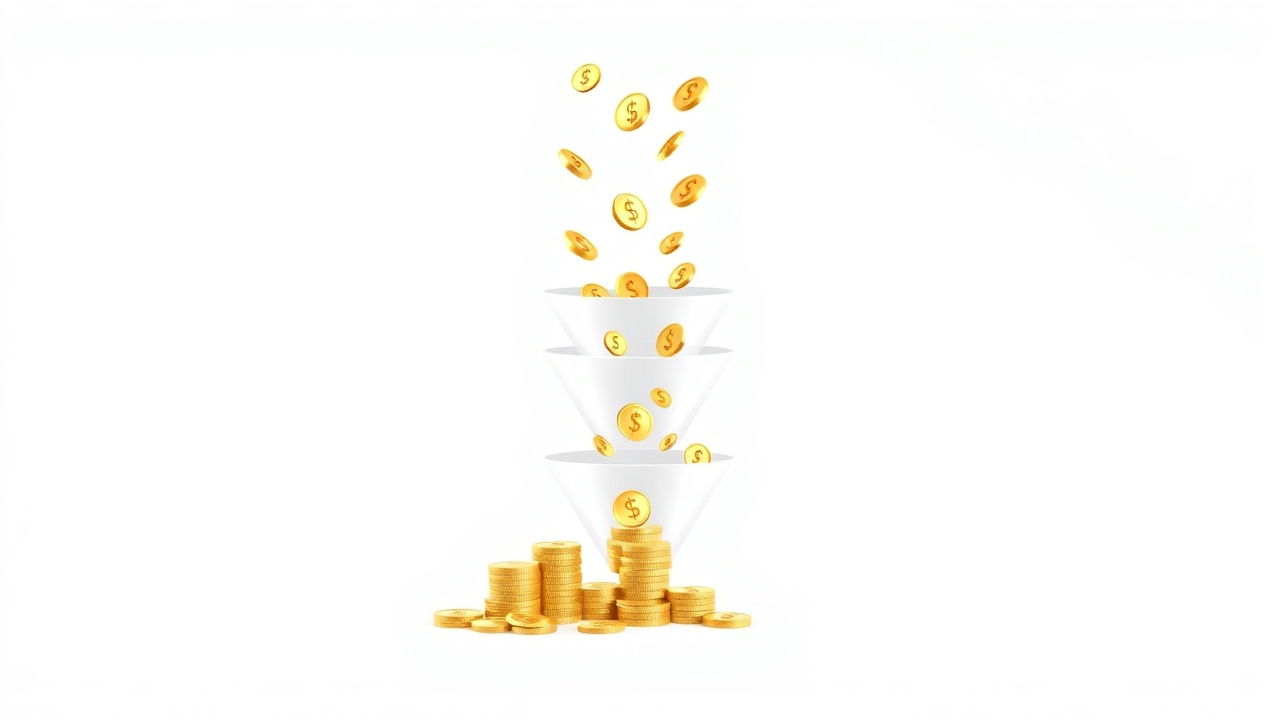
A tripwire offer funnel places a low-priced product ($7-$47) directly after your lead magnet opt-in, converting cold leads into paying customers within minutes of first contact. This strategy turns your advertising from an expense into a self-liquidating machine that funds its own growth. In 2026, rising ad costs make tripwire marketing essential for anyone who wants to scale without burning through capital. Master this funnel structure and you'll acquire customers at near-zero net cost while building a buyer list that's 10-20x more valuable than a free subscriber list.
Can you really make money with this in 2026?
Absolutely—and as of early 2026, the tripwire model is more relevant than ever. Facebook CPMs have climbed 23% year-over-year, Google Ads aren't getting cheaper, and the entrepreneurs who thrive are the ones who recoup ad spend immediately rather than hoping for eventual backend profits.
The numbers tell the story. A typical tripwire offer funnel converting at 5-8% on a $17 product means every 100 leads generates $85-$136 in immediate revenue. If your cost per lead is $1.00, you've just covered 85-136% of your advertising before your email sequence even kicks in. That's the power of a self liquidating offer structure.
More importantly, buyers behave differently than freebie seekers. Data from 2025 showed that customers who purchase a tripwire are 8-12x more likely to buy your core offer compared to those who only grabbed a free lead magnet. You're not just offsetting costs—you're qualifying your list in real time.
The catch? You need the right offer at the right price with the right follow-up. A lazy tripwire with generic content won't convert. But a strategic low ticket offer that solves an urgent micro-problem? That's a revenue engine.
How a tripwire offer funnel actually works
The mechanics are straightforward once you see the flow.
Stage 1: Lead Magnet Opt-In
A visitor lands on your page and exchanges their email for something valuable—a checklist, template, mini-guide, or resource. This is standard list building.
Stage 2: The Tripwire Offer (Immediate)
Instead of sending them straight to a "thanks, check your inbox" page, you redirect to a sales page for your low ticket offer. This is the tripwire. It's priced low enough ($7-$47) that the decision feels almost impulsive, but high enough to generate meaningful revenue.
Stage 3: Order Bump & Upsell
On the checkout page, you add an order bump (a checkbox add-on for $15-$37) and after purchase, present a one-time offer upsell ($47-$197). These dramatically increase average order value.
Stage 4: Email Nurture
Regardless of whether they bought the tripwire, leads enter your email sequence. Buyers get a different track than non-buyers. Both paths eventually lead to your core offer.
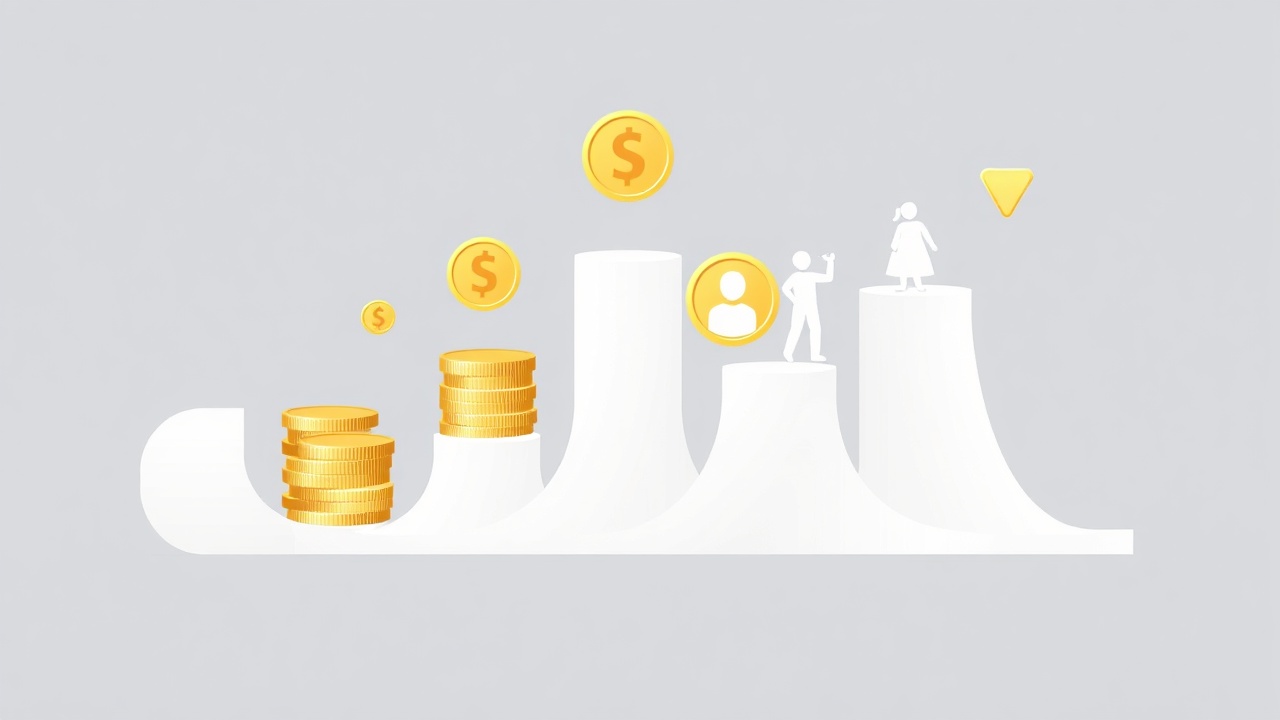
The tripwire marketing psychology is simple: someone who spends $17 with you has crossed a psychological barrier. They've identified themselves as a buyer, not just a browser. That micro-commitment makes the next purchase dramatically easier.
Step-by-step: how to start
Here's exactly how to build a tripwire offer funnel that actually converts.
Step 1: Identify your customer's micro-problem
Your tripwire needs to solve a specific, urgent problem—not your biggest offer, but a stepping stone to it. If you sell a course on building an online business, your tripwire might be "The 47 Profitable Niche Ideas for 2026" or "The One-Page Business Model Template."
Ask yourself: What's the first small win my audience needs before they're ready for my main thing?
Step 2: Create a high-value lead magnet
Your lead magnet pulls people into the funnel. It needs to deliver genuine value while naturally leading to your tripwire topic. A checklist, cheat sheet, or resource guide works well because consumption is immediate.
Building lead magnets used to require hours of design work. Now, tools like Lead Magnet Engine let you generate a polished PDF and matching landing page in minutes. You describe what you want, and it produces a professional asset ready for traffic.
Step 3: Build your tripwire product
The tripwire itself should take 30-90 minutes to consume and deliver a clear outcome. Popular formats include:
- Template packs: Swipe files, email templates, spreadsheet systems
- Mini-courses: 3-5 short video lessons solving one specific problem
- Resource bundles: Curated tools, vendor lists, or supplier databases
- Software/tool access: Limited versions of useful applications
Price it between $7 and $27 for maximum impulse-buy potential. At $47, you'll convert fewer people but earn more per sale—test to find your sweet spot.
Step 4: Design your tripwire sales page
This page appears immediately after opt-in, so it needs to work fast. Your visitor has already shown interest by grabbing the lead magnet. Now you're offering the logical next step.
Key elements:
- Headline that speaks to their immediate desire
- Quick bullet points of what they get
- Price anchor (show the "real" value vs. today's price)
- Urgency element (limited time, disappearing bonus)
- Simple checkout with minimal friction
"The tripwire isn't about profit—it's about creating buyers. A $17 customer is worth more than 50 freebie seekers because they've already said yes once."
If you don't want to wrestle with page builders, Site Engine can generate sales pages quickly based on your product details. You'll get a clean, conversion-focused layout without hiring a designer.
Step 5: Add order bumps and upsells
This is where the real math gets interesting. A single tripwire sale at $17 is nice. But add a $27 order bump that 30% of buyers take, plus a $97 upsell that 10% accept, and your average order value jumps significantly:
- Base tripwire: $17
- Order bump (30% take rate): $27 × 0.30 = $8.10
- Upsell (10% take rate): $97 × 0.10 = $9.70
- Average order value: $34.80
That's double your tripwire price without changing your conversion rate. Suddenly, a $1.50 lead becomes profitable on day one.
Step 6: Build your email follow-up sequences

You need two email tracks:
For buyers: Deliver the product, reinforce the purchase decision, introduce your core offer over 5-7 days. These emails can be more direct because trust is established.
For non-buyers: Deliver the lead magnet, provide additional value, softly reintroduce the tripwire, then transition to nurturing content that builds toward your core offer.
Writing these sequences is often where funnels stall. Email Engine generates complete email sequences based on your offer and audience—you can produce a full buyer and non-buyer track in one sitting instead of spending days on copywriting.
Step 7: Launch with small ad spend and iterate
Start with $20-50 daily ad spend. Drive traffic to your lead magnet page, watch the numbers, and optimize. Key metrics to track:
- Cost per lead (CPL)
- Tripwire conversion rate
- Order bump take rate
- Upsell conversion rate
- Revenue per lead (RPL)
When RPL exceeds CPL, you have a self liquidating offer. Scale carefully from there.
Realistic earnings & timeline
Let's ground this in reality. Your results depend on niche, traffic quality, offer strength, and optimization skill.
| Scenario | Monthly Traffic | Tripwire Conv. | Avg. Order Value | Monthly Revenue | Net After Ads |
|---|---|---|---|---|---|
| Starting out | 500 leads | 3% | $22 | $330 | -$170 |
| Optimized funnel | 500 leads | 6% | $35 | $1,050 | +$550 |
| Scaled funnel | 2,000 leads | 7% | $38 | $5,320 | +$3,320 |
| Advanced funnel | 5,000 leads | 8% | $45 | $18,000 | +$13,000 |
Timeline expectations:
- Weeks 1-2: Build funnel assets, launch first version
- Weeks 3-6: Test and optimize, expect to lose money or break even
- Months 2-3: Achieve self-liquidating status with consistent optimization
- Months 4-6: Scale with confidence, test new traffic sources
Most beginners won't hit self-liquidating status immediately. Plan for 4-8 weeks of testing and refinement before the numbers click.
Mistakes that kill beginners
Pricing too high or too low
A $97 "tripwire" isn't a tripwire—it's a low-ticket offer that requires real consideration. A $3 tripwire won't generate enough revenue to matter. Stay in the $7-$47 range and test within it.
Creating a tripwire that doesn't connect to your core offer
Your tripwire should be a logical stepping stone, not a random product. If you sell marketing services but your tripwire is about productivity hacks, you're attracting the wrong buyers.
Skipping the order bump and upsell
The tripwire alone rarely achieves self-liquidating status. The order bump and upsell are where margin lives. Don't launch without them.
Sending buyers and non-buyers the same emails
Buyers need a different conversation. They've invested money and want to maximize that investment. Non-buyers need more trust-building. Segment from day one.
Optimizing for conversion rate instead of revenue per lead
A 10% conversion rate on a $7 tripwire with no upsells makes you $0.70 per lead. A 5% conversion rate on a $27 tripwire with strong upsells might make you $2.50 per lead. Revenue per lead is the metric that matters.
Frequently asked questions
What is a tripwire offer funnel?
A tripwire offer funnel is a marketing system that presents new leads with a low-priced product (typically $7-$47) immediately after they opt in. The goal is converting free leads into paying customers while offsetting advertising costs, making customer acquisition more sustainable.
How much should I price my tripwire offer?
Most successful tripwire offers in 2026 are priced between $7 and $27. The sweet spot depends on your niche and audience, but $17-$27 tends to convert well while generating meaningful revenue. The price should feel like an obvious yes compared to the value delivered.
What's the difference between a tripwire and a lead magnet?
A lead magnet is free content given in exchange for an email address. A tripwire is a paid low-ticket offer presented immediately after someone opts in for the lead magnet. The tripwire converts free subscribers into paying customers, which dramatically increases their lifetime value.
Can a tripwire funnel really cover my ad costs?
Yes, a well-optimized tripwire offer funnel can achieve self-liquidating status where tripwire revenue equals or exceeds ad spend. With a $17 offer converting 5% of opt-ins, you need 6 sales to cover a $100 ad spend, requiring 120 leads at roughly $0.83 per lead.
What products work best as tripwire offers?
The best tripwire products solve a specific, immediate problem and deliver quick wins. Templates, checklists, mini-courses, software tools, and resource bundles work exceptionally well. The product should logically lead to your higher-priced core offer without being essential to complete it.
The bottom line
A tripwire offer funnel isn't a hack—it's a fundamental shift in how you think about customer acquisition. Instead of hoping your free leads eventually buy something, you're qualifying buyers immediately and funding your own growth. Build it right, optimize relentlessly, and you'll have a marketing machine that pays for itself while filling your pipeline with proven buyers.
Get the AI tools to do all of this — free
Create a free Elite Engines account and get 5 AI money-making engines instantly. No credit card.