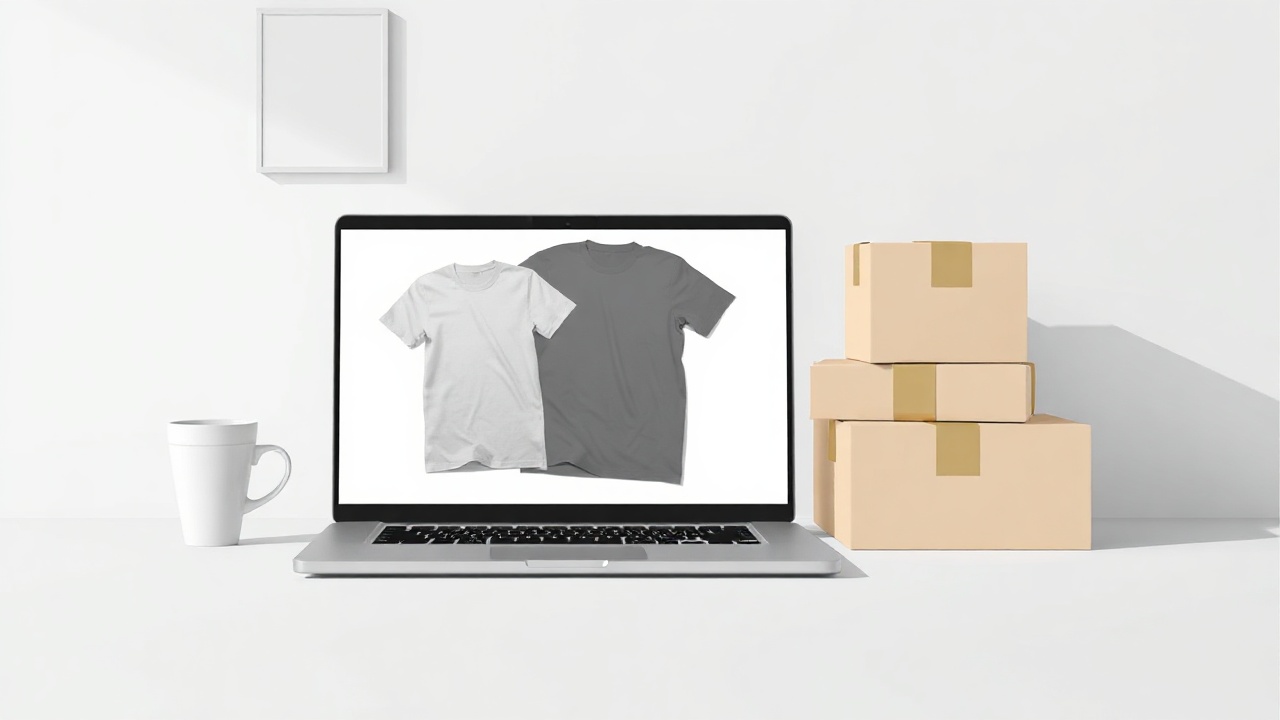
Quick Summary
Print on demand lets you sell custom-designed products without holding inventory—suppliers print and ship orders directly to customers. In 2026, AI tools have made design creation and listing optimization dramatically faster, lowering the barrier for beginners. This guide covers exactly how to make money with print on demand, from choosing products to creating designs that actually sell, with realistic timelines and earnings you can expect.
Can you really make money with this in 2026?
As of early 2026, the global print on demand market has grown past $45 billion, with projections showing continued 25%+ annual growth through 2030. This isn't theoretical—real sellers are building sustainable income streams without warehouses, shipping headaches, or upfront inventory costs.
The honest truth: POD passive income is achievable, but it's not instant. The sellers making $2,000-10,000 monthly have typically spent 6-18 months building their catalogs and learning what resonates with specific audiences. The difference between 2026 and previous years is that AI has compressed the design and listing creation process from hours to minutes, meaning you can test more ideas faster.
Print on demand for beginners has never been more accessible. You don't need graphic design skills, a business degree, or thousands in startup capital. What you do need is patience, consistency, and willingness to learn what your target audience actually wants to buy.
The competition is real—millions of designs exist across platforms like Etsy, Amazon Merch, and Redbubble. But here's what most people miss: competition only matters if you're creating the same generic designs everyone else makes. Sellers who target specific niches and solve real identity-expression problems continue to thrive.
How print on demand actually works
The mechanics are beautifully simple. You create a design, upload it to a POD platform or connect a supplier to your store, and list the product for sale. When a customer orders, the POD company prints your design on the product, packages it, and ships it directly to the buyer. You never touch inventory.
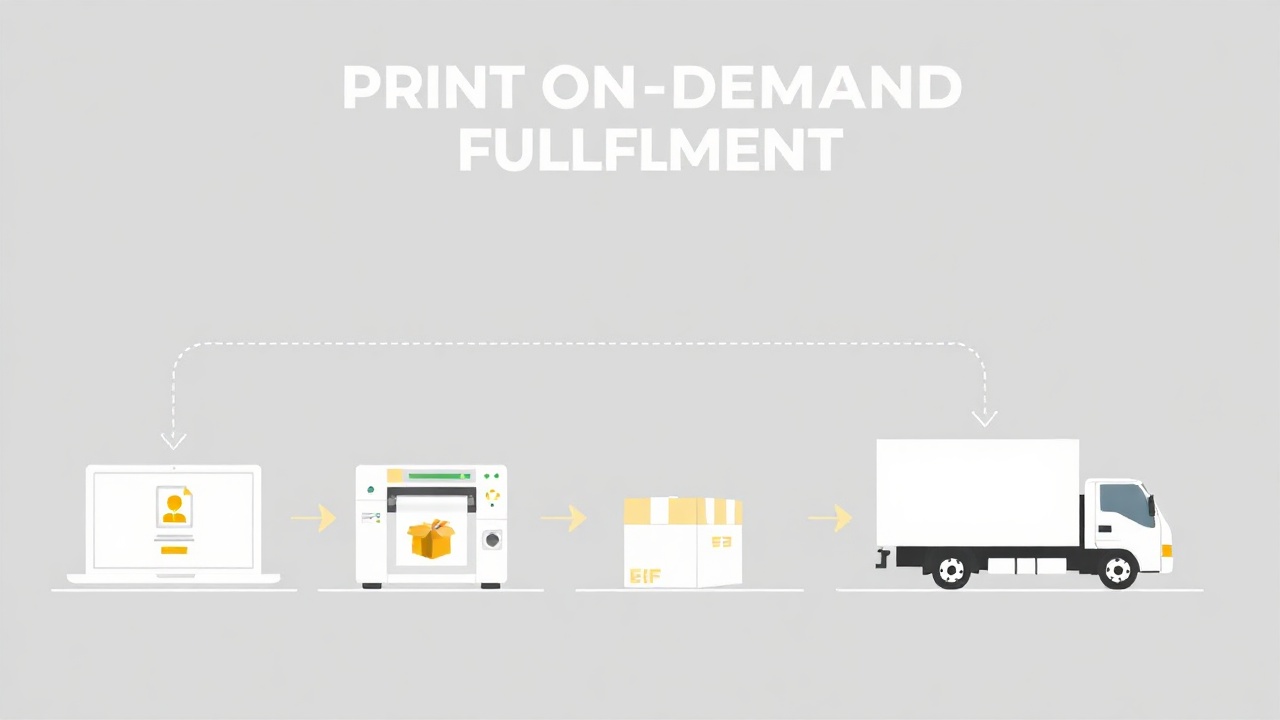
Your profit is the difference between what the customer pays and what the POD supplier charges. For example, if you sell a t-shirt for $24.99 and the supplier charges $12 for printing and fulfillment, you keep $12.99 before platform fees.
The major POD suppliers in 2026 include Printful, Printify, Gooten, and Gelato for integration with your own stores, plus marketplace-native options like Amazon Merch on Demand, Redbubble, TeePublic, and Zazzle where you upload designs directly to their customer base.
When comparing print on demand vs dropshipping, the key distinction is creative control. Traditional dropshipping sells existing products from suppliers—you're essentially a middleman. POD lets you create unique products that nobody else offers, which builds brand value and customer loyalty over time.
Step-by-step: how to start
1. Choose your niche before your products
The biggest mistake beginners make is starting with products instead of audiences. Don't think "I'll sell funny t-shirts." Think "I'll create products for new dads who love hiking" or "I'll design for veterinary technicians who own cats."
Specific niches have less competition and more passionate buyers willing to pay premium prices. Spend time in Reddit communities, Facebook groups, and niche forums understanding what identity markers matter to these people. What do they joke about? What frustrates them? What makes them proud?
2. Research what's already selling
Before creating anything, study successful designs in your niche. On Etsy, search your niche keywords and sort by bestsellers. On Amazon, use the Merch Informer tool or simply browse the bestseller rankings in clothing categories.
Look for patterns: What phrases appear repeatedly? What design styles dominate? What's missing that you could create? Your goal isn't to copy—it's to understand market demand and find gaps.
3. Select your platform strategy
You have two main paths:
Marketplace-first approach: Upload designs to existing platforms like Etsy, Amazon Merch, or Redbubble. You benefit from their built-in traffic but compete directly with millions of other sellers and pay higher fees.
Own-store approach: Build a Shopify or WooCommerce store connected to suppliers like Printful. You control branding and customer relationships but must drive your own traffic through ads, SEO, or social media.
For print on demand for beginners, I recommend starting with marketplaces to validate designs, then expanding to your own store once you understand what sells.
4. Create designs that actually sell
The best print on demand products feature designs that help customers express identity, belong to a group, or communicate something they believe. Generic "cute cat" designs rarely sell. "Chaos Coordinator - Veterinary Technician Life" sells because it speaks to a specific person's daily reality.
In 2026, AI has transformed design creation. You can generate dozens of concept variations in minutes, then refine the best ones. For sellers also creating digital printables to complement their POD products, the Etsy Engine can help generate designs optimized for what's currently trending on the platform.
The sellers making real money in POD aren't necessarily the best designers—they're the best researchers who understand exactly what their niche audience wants to wear and display.
Design principles that convert:
- Text-based designs often outperform pure graphics for apparel
- Keep designs simple—they need to read well from a distance
- Use colors that contrast well on multiple product colors
- Create design "families" with variations for different tastes
5. Optimize your listings for search
Your designs won't sell if nobody finds them. Each platform has its own search algorithm, but all reward relevant keywords in titles, descriptions, and tags.
For Etsy, front-load your title with the most important keywords. Use all 13 tags. Write descriptions that naturally incorporate search terms buyers actually use.
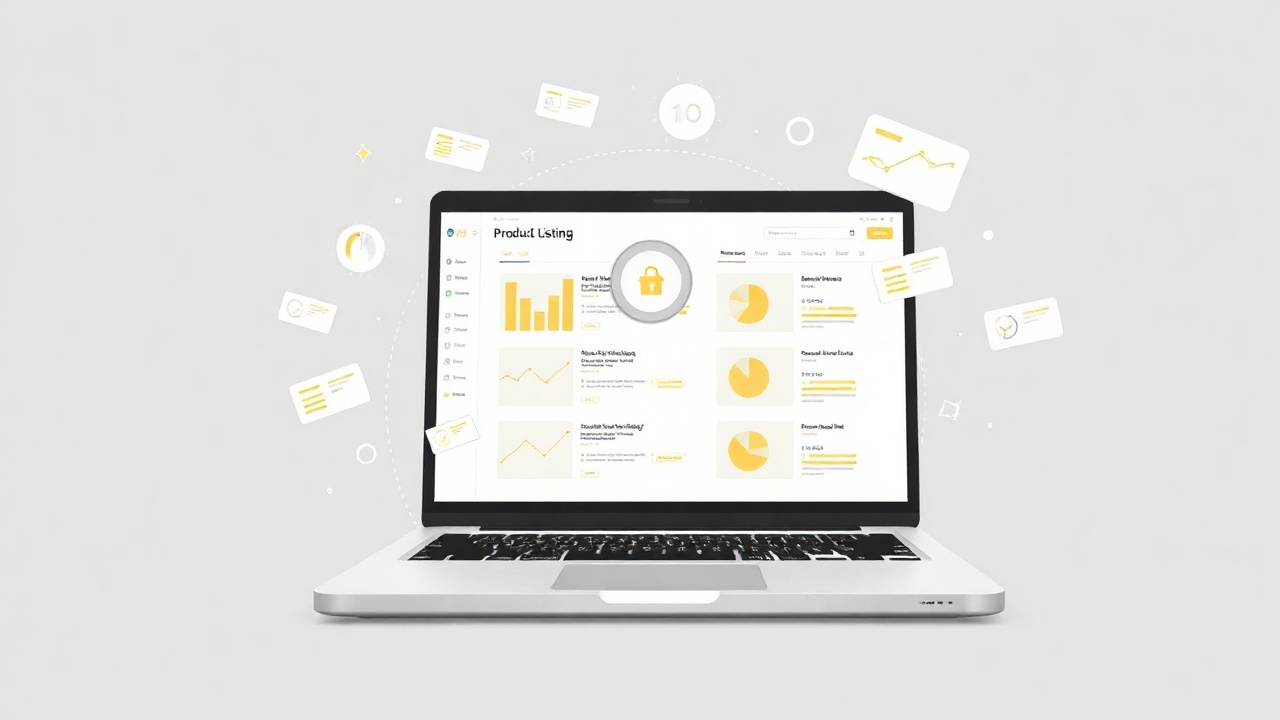
For Amazon Merch, your bullet points and backend keywords matter enormously. Research what terms competitors rank for and incorporate them naturally.
Writing dozens of optimized listings manually is tedious. Tools like the Content Engine can generate SEO-structured product descriptions at scale, letting you focus on design creation while maintaining search-optimized copy across your catalog.
6. Build a content ecosystem around your brand
Serious POD sellers don't rely solely on marketplace traffic. They build audiences through content—Pinterest boards showcasing lifestyle images, Instagram accounts featuring their products in context, or niche blogs targeting their audience's interests.
If you're targeting a specific niche, a simple blog or review site can drive organic traffic to your products for years. The Site Engine lets you spin up a niche content site in minutes, giving you a platform to publish helpful articles that naturally link to your POD products.
7. Test, analyze, and scale what works
Upload consistently—aim for 10-20 new designs weekly minimum. Track which designs get favorites, clicks, and sales. Double down on what works by creating variations and expanding to additional products.
Most designs won't sell. That's normal. The goal is volume and iteration until you find winners, then exploiting those winners across multiple products and platforms.
Realistic earnings & timeline
Let's be specific about what you can expect:
| Stage | Timeline | Design Count | Monthly Revenue | Monthly Profit |
|---|---|---|---|---|
| Testing | Months 1-3 | 50-150 designs | $0-100 | $0-50 |
| Traction | Months 4-8 | 200-500 designs | $100-500 | $50-250 |
| Growth | Months 9-18 | 500-1,500 designs | $500-2,000 | $250-1,000 |
| Established | 18+ months | 1,500+ designs | $2,000-10,000+ | $1,000-5,000+ |
These numbers assume consistent effort—uploading weekly, optimizing listings, and learning from data. POD passive income becomes more passive over time as your catalog compounds, but the first year requires active work.
Profit margins typically range from 20-40% depending on your pricing strategy, platform fees, and product mix. Higher-priced items like hoodies and canvas prints offer better margins than basic t-shirts.
Mistakes that kill beginners
Spreading too thin across niches
Picking five different niches means you're building five separate businesses. Focus on one niche until you're making consistent sales, then expand. Depth beats breadth early on.
Ignoring trademark and copyright issues
Using phrases, characters, or designs you don't own rights to will get your account terminated. "May the force be with you" on a shirt isn't clever—it's lawsuit territory. Always verify phrases aren't trademarked using the USPTO database.
Pricing too low to compete
Racing to the bottom destroys your margins and attracts price-sensitive customers who leave bad reviews. Premium pricing with quality designs attracts better customers and sustainable profits.
Expecting overnight success
Sellers who quit after 30 days with 20 designs and no sales never gave the business a real chance. The algorithm needs data. Customers need to find you. Commit to 6-12 months of consistent effort before evaluating results.
Neglecting product mockups and listing photos
Buyers can't touch your products—they judge entirely by images. Blurry mockups, inconsistent lighting, or generic product photos kill conversion rates. Invest time in creating lifestyle mockups that help customers visualize owning your products.
Frequently asked questions
How much does it cost to start a print on demand business?
You can start for free on platforms like Redbubble or Zazzle. If you want your own Etsy shop or Shopify store, expect $15-50/month for platform fees plus around $100-300 for initial design tools or AI subscriptions. No inventory costs required.
Is print on demand still profitable in 2026?
Yes, print on demand remains profitable in 2026 with the global market exceeding $45 billion. Success requires niche targeting and quality designs rather than generic products. Sellers focusing on specific audiences report 20-40% profit margins.
What is the difference between print on demand vs dropshipping?
Print on demand lets you sell custom-designed products made when ordered, giving you creative control and unique products. Traditional dropshipping sells existing products from suppliers, offering less differentiation but sometimes faster shipping and lower per-unit costs.
How long does it take to make money with print on demand?
Most sellers see their first sale within 30-90 days of listing 50+ designs. Reaching consistent income of $500-1,000/month typically takes 6-12 months of steady effort, including weekly design uploads and optimization.
What are the best print on demand products to sell?
The best print on demand products in 2026 include t-shirts, mugs, posters, phone cases, and tote bags. Higher-margin items like all-over print hoodies, canvas prints, and custom journals perform well for established sellers targeting specific niches.
The bottom line
Learning how to make money with print on demand isn't complicated—it's a volume game that rewards consistency, niche focus, and willingness to iterate on what customers actually want. The sellers winning in 2026 use AI to compress design and listing creation time, allowing them to test more ideas faster than ever before. Start narrow, stay consistent, and let the data guide your expansion.
Get the AI tools to do all of this — free
Create a free Elite Engines account and get 5 AI money-making engines instantly. No credit card.