
Quick Summary
PLR (Private Label Rights) content lets you skip months of content creation by purchasing ready-made articles, ebooks, and courses you can legally rebrand and sell. The catch: thousands of other buyers have the same material. The solution: strategic PLR rewriting that transforms generic content into unique products your audience actually wants to buy. Done right, a $17 PLR pack can become a $297 course or a lead magnet that builds a 10,000-subscriber list.
Can You Really Make Money With This in 2026?
As of early 2026, the PLR market is worth an estimated $400 million annually—and growing. But here's what most "PLR opportunity" posts won't tell you: the people who actually profit aren't the ones buying and immediately reselling. They're the ones who understand that PLR is raw material, not a finished product.
The honest answer is yes, you can absolutely make money with PLR content in 2026, but only if you treat it as a starting point rather than a shortcut to skip all the work. Search engines have gotten ruthless about duplicate content. Buyers have gotten savvier about recognizing recycled material. And the bar for "good enough" keeps rising.
What hasn't changed is the fundamental economics: creating original content from scratch takes 10-20 hours for a quality ebook. Transforming solid PLR content into something unique takes 2-4 hours. That's an 80% time savings that compounds across every product you create.
The marketers earning $3,000-10,000 monthly from PLR-based businesses aren't doing anything magical. They're applying a systematic PLR rewriting process, building assets instead of chasing one-off sales, and positioning their transformed content for specific audiences rather than generic markets.
How the PLR Business Model Actually Works
Let's demystify what is PLR content at a practical level. When you purchase PLR, you're buying a license that typically grants you four key rights:
- Edit freely — Change any word, restructure chapters, add or remove sections
- Claim authorship — Put your name on it legally
- Resell — Sell the modified (or unmodified) content to your customers
- Repurpose — Turn an ebook into a course, a course into blog posts, blog posts into social content
The PLR business model works because it exploits an efficiency gap. Content creators with expertise often lack time for production. PLR providers fill that gap by creating comprehensive baseline content. You, as the marketer, add the final 20% that makes content unique and valuable.
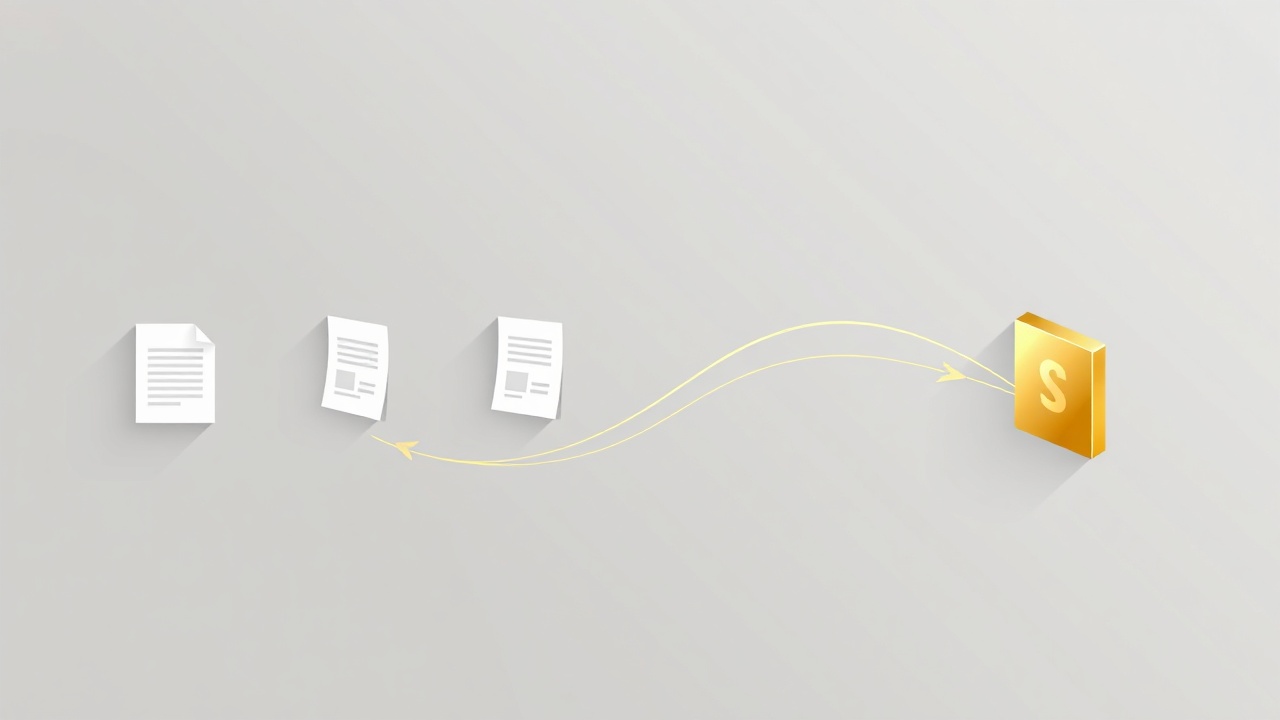
Think of selling PLR products like buying wholesale furniture and refinishing it. The fundamental structure is sound—you're not building from raw lumber. But the finish, the details, and the presentation determine whether it sells for $50 or $500.
The money flows through several channels:
- Direct sales — Sell transformed ebooks, courses, or templates on your own site or platforms like Gumroad
- Lead generation — Use rewritten PLR as lead magnets to build email lists you monetize through affiliate offers or your own products
- Content marketing — Turn PLR articles into blog posts that drive organic traffic to monetized sites
- Client services — Use PLR as the foundation for "done-for-you" content packages you sell to businesses
Step-by-Step: How to Start Making Money With PLR Content
Step 1: Source Quality PLR (Most Skip This and Fail)
Not all PLR is created equal. The $7 bundle with "500 articles on any topic!" is usually worth exactly what you paid—almost nothing. Look for:
- Recent creation dates — PLR written in the last 12-18 months reflects current information
- Specific niches — "Weight loss for women over 50" beats "health and fitness"
- Professional writing — Read samples before buying; grammar issues signal bigger problems
- Reasonable buyer limits — Some PLR sellers cap how many licenses they sell, reducing competition
The PLR Engine offers access to over 100,000 done-for-you articles across profitable niches with built-in AI rewriting capabilities. This solves both the sourcing and initial transformation steps in one platform—you're not hunting across dozens of PLR sites trying to find material that doesn't read like it was written in 2015.
Step 2: Choose Your Monetization Path Before You Edit
Here's where most beginners waste time: they start rewriting without knowing what they're building toward. Decide first:
If you want direct product sales:
- Transform PLR ebooks into premium courses or comprehensive guides
- Combine 3-5 related PLR pieces into one authoritative resource
- Add worksheets, templates, or tools that increase perceived value
If you want list building:
- Extract the most actionable chapter from PLR ebooks for a lead magnet
- Create "quick start" guides from longer PLR content
- Design checklists or cheat sheets based on PLR frameworks
If you want content marketing:
- Rewrite PLR articles into SEO-optimized blog posts
- Create content clusters around related PLR pieces
- Develop pillar content from PLR ebooks
Step 3: Execute Strategic PLR Rewriting
This is where the actual value gets created. Effective PLR rewriting isn't just swapping synonyms—it's transformation:
Voice injection: Read your PLR content aloud. Now read something you've written yourself. Notice the difference? Your rewrite should sound like the second example. Add your opinions, your examples, your perspective.
Structure overhaul: Most PLR follows predictable templates. Reorganize sections, change the opening hook, and break up walls of text. Add subheadings where there are none.
Example replacement: Generic examples scream "PLR." Replace "John wanted to lose weight" with specific, detailed scenarios. Better yet, use real case studies or your own experiences.
Gap filling: PLR often stays surface-level to appeal to broad audiences. Go deeper. Add the specific tactics, the exact numbers, the detailed processes.
"The profit margin in PLR isn't the content—it's the transformation. Buyers aren't paying for information they could Google. They're paying for curation, clarity, and a unique perspective they can't get elsewhere."
Data updating: Nothing dates PLR faster than old statistics. Spend 30 minutes finding current data to replace anything older than two years.
The AI rewriter built into PLR Engine handles the mechanical rewriting—synonyms, sentence restructuring, and basic uniqueness passes. This frees you to focus on the strategic elements that truly differentiate your content: voice, examples, and depth.
Step 4: Package for Your Chosen Channel
Transformed content needs transformed presentation.

For ebooks and guides: Design professional covers (Canva works fine). Create consistent interior formatting. Add a table of contents and about-the-author section.
For courses: Break content into logical modules. Add intro and outro videos (even simple talking-head recordings add value). Include downloadable resources.
For lead magnets: Keep it focused—one clear promise, one clear outcome. Design a clean PDF with your branding. The Lead Magnet Engine creates instant PDF lead magnets with built-in landing pages, which removes the technical friction that stops most people from actually deploying their transformed PLR.
For blog content: Format for readability with headers, bullet points, and images. Add internal links to related content. Include clear CTAs.
Step 5: Build Distribution Infrastructure
Content without traffic is just a file on your hard drive. Your distribution approach depends on your monetization path:
For direct sales:
- Set up a simple sales page (single product focus)
- List on marketplaces like Gumroad, Payhip, or your own site
- Create an email sequence for buyers (upsells and related products)
For list building:
- Landing page with clear value proposition
- Email autoresponder sequence (minimum 5-7 emails)
- Traffic source (paid ads, content marketing, or social)
For content marketing:
- SEO-optimized blog on your own domain
- Consistent publishing schedule (PLR makes this sustainable)
- Monetization through ads, affiliates, or product funnels
If you're going the blog route, Site Engine builds complete blog sites in 60 seconds. This eliminates the WordPress setup, theme selection, and plugin configuration that typically delays launch by weeks.
Step 6: Scale What Works
Once you've validated a product or content approach, the PLR model shines. You've already proven the market wants what you're offering. Now you can:
- Create product lines (beginner, intermediate, advanced versions)
- Expand into adjacent niches using similar PLR
- Build content libraries that compound traffic over time
- Develop premium offers for your warmest buyers
Realistic Earnings & Timeline
Let's talk actual numbers. These assume you're following the strategic approach above, not just buying and reselling raw PLR:
| Stage | Timeline | Monthly Earnings | What It Takes |
|---|---|---|---|
| Foundation | Months 1-3 | $0-200 | First 2-3 transformed products, initial traffic building |
| Traction | Months 4-6 | $200-800 | Product refinement, email list of 500-2,000, consistent content |
| Growth | Months 7-12 | $800-2,500 | Multiple products, list of 2,000-5,000, organic traffic momentum |
| Scale | Year 2+ | $2,500-10,000+ | Product ecosystem, 10,000+ subscribers, multiple traffic channels |
The timeline assumes 5-10 hours weekly. More time compresses the schedule; less extends it. The critical variable isn't hours worked—it's consistency. Sporadic effort produces sporadic results.
Note that these figures represent profit, not revenue. PLR-based businesses have excellent margins (80-90% on digital products) because your costs are minimal after the initial content investment.
Mistakes That Kill Beginners
1. Selling unmodified PLR and wondering why no one buys
When 500 people buy the same PLR package and 50 of them try to sell it unchanged, you're competing against 49 identical products. Worse, Google may flag your site for duplicate content. The time you "saved" by not rewriting costs you in lost sales and damaged reputation.
2. Choosing PLR based on what's cheap rather than what sells
That $5 mega-bundle looks attractive until you realize it's 10-year-old content in a saturated niche. Spend slightly more for quality PLR in proven markets (health, wealth, relationships) and you'll actually see returns.
3. Treating PLR as a product business instead of an audience business
The ebook sale isn't the destination—it's the beginning. Without capturing emails, nurturing relationships, and building an audience, you're stuck in a perpetual launch cycle. One product to a cold audience versus multiple products to a warm list produces dramatically different results.
4. Perfectionism paralysis
Your first PLR transformation doesn't need to be perfect. It needs to be done and in front of buyers. You'll learn more from market feedback than from endlessly polishing in private. Ship, measure, improve.
5. Ignoring the legal fine print
PLR licenses vary. Some prohibit reselling the PLR rights to others. Some require attribution. Some restrict use in certain formats. Read your license before you invest time transforming content you can't legally use as planned.
Frequently Asked Questions
What is PLR content and is it legal to sell?
PLR (Private Label Rights) content is pre-written material you purchase with the legal right to edit, rebrand, and sell as your own. Yes, it's completely legal to sell—that's the entire point. You're buying a license that transfers ownership rights to you, allowing you to modify and monetize the content however you choose within the license terms.
How much can you realistically make selling PLR products?
Realistic earnings range from $200-500/month for beginners with a single repurposed product, to $2,000-5,000/month for intermediate marketers with multiple products and email lists. Top performers who build full PLR-based businesses can earn $10,000+ monthly, though this typically requires 12-18 months of consistent effort.
Do I need to rewrite PLR content or can I sell it as-is?
Technically you can sell most PLR as-is, but you absolutely shouldn't. Hundreds or thousands of other buyers have the same content. Selling it unmodified means competing with identical products and risking your reputation. The profit is in the transformation—rewriting, combining, and adding your unique perspective.
What types of PLR content sell best in 2026?
The best-selling PLR categories in 2026 are health and wellness (especially longevity and mental health), personal finance, AI tools and productivity, relationship advice, and online business education. Video scripts and course frameworks have overtaken basic ebooks as the highest-value PLR formats.
How is PLR different from ghostwriting or content licensing?
PLR is sold to multiple buyers simultaneously at low prices ($5-50 typically), while ghostwriting is exclusive custom content for one client at premium rates. Content licensing usually restricts how you can modify or resell material. PLR gives you the most freedom—full editing rights, your name on it, and the ability to sell unlimited copies.
The Bottom Line
Learning how to make money with PLR content isn't about finding a magic shortcut that prints cash—it's about intelligently leveraging existing work so you can focus on what actually matters: understanding your audience, building relationships, and creating genuine value. The entrepreneurs who win with PLR treat it as a foundation, not a finished house. Transform it thoroughly, position it specifically, and build systems that let each piece of content work harder over time.
Get the AI tools to do all of this — free
Create a free Elite Engines account and get 5 AI money-making engines instantly. No credit card.