Quick Summary
Meal plan printables represent one of the most accessible entry points into Etsy's digital product market, especially for health-niche beginners with zero design experience. You create simple, attractive weekly or monthly planning templates once, then sell them infinitely as instant downloads. The health and wellness printables category continues to grow as more people prioritize home cooking and budget-friendly eating. This guide walks you through creating your first products, optimizing for Etsy search, and building a shop that generates repeat sales month after month.
Can you really make money with this in 2026?
As of early 2026, the meal planning printables market on Etsy remains profitable for newcomers willing to niche down. The platform reported over 96 million active buyers in late 2025, and digital downloads now account for roughly 12% of all Etsy transactions—a number that's grown every year since 2020.
Here's what makes meal plan printables Etsy a legitimate opportunity right now: the search volume is strong (over 14,000 monthly searches for meal planner-related terms), competition is moderate compared to saturated categories like wall art, and production costs are essentially zero after your initial time investment.
The health printables Etsy category specifically benefits from seasonal demand spikes. January sees a 340% increase in meal planning searches as people commit to New Year's resolutions. September brings another surge when families return to school routines. These predictable cycles mean you can prepare inventory and marketing in advance.
That said, this isn't 2019 anymore. Generic weekly meal planners with basic designs face stiff competition from established sellers with thousands of reviews. The real money in 2026 goes to sellers who target specific dietary niches—keto meal planners, postpartum nutrition trackers, diabetic-friendly grocery lists, or allergen-free family meal organizers. Specificity beats generality every time.
How meal plan printables actually work
The business model is beautifully simple. You design a digital file (typically a PDF) that helps someone organize their weekly meals, grocery shopping, or nutrition tracking. You list it on Etsy with optimized titles, tags, and images. When someone purchases, Etsy automatically delivers the file—no shipping, no inventory, no customer service headaches.
Your profit margin on digital products hovers around 75-85% after Etsy's fees. A $5.99 printable nets you roughly $4.50. Sell ten of those daily, and you're looking at $1,350 monthly from a product you created once.
The key mechanic most beginners miss: Etsy is a search engine first, marketplace second. Your success depends almost entirely on whether your listings appear when buyers type phrases like "meal planner printable" or "weekly dinner planning sheet." This means keyword research matters more than artistic perfection.
Buyers of meal planning printables typically fall into three categories:
- Busy parents seeking organization for family dinners and grocery budgets
- Health-focused individuals following specific diets (keto, whole30, Mediterranean)
- Budget-conscious shoppers wanting to reduce food waste and takeout spending
Each group responds to different visual styles, language, and feature sets. A minimalist black-and-white planner appeals to productivity enthusiasts. A colorful, illustrated version attracts the Pinterest-loving home organizer crowd. Knowing your buyer shapes every design decision.
Step-by-step: how to start
Step 1: Research profitable sub-niches (2-3 hours)
Before designing anything, study what's already selling. Search "meal plan printables Etsy" and analyze the first two pages of results. Note which listings have the most reviews, what price points dominate, and which niches appear underserved.
Look for gaps. Maybe keto meal planners are everywhere, but Mediterranean diet planners are sparse. Perhaps there's demand for meal planners designed specifically for couples, college students, or shift workers with irregular schedules.
Use Etsy's search bar suggestions—they reveal actual buyer queries. Type "meal planner" and watch what auto-completes. These phrases represent real search volume you can target.
Step 2: Design your first 5-10 products (4-8 hours)
You don't need Adobe Illustrator or professional design skills. Canva's free tier handles 90% of what you need. Start with their existing templates, then customize colors, fonts, and layouts to create something distinctive.
For meal planner printables specifically, include these elements:
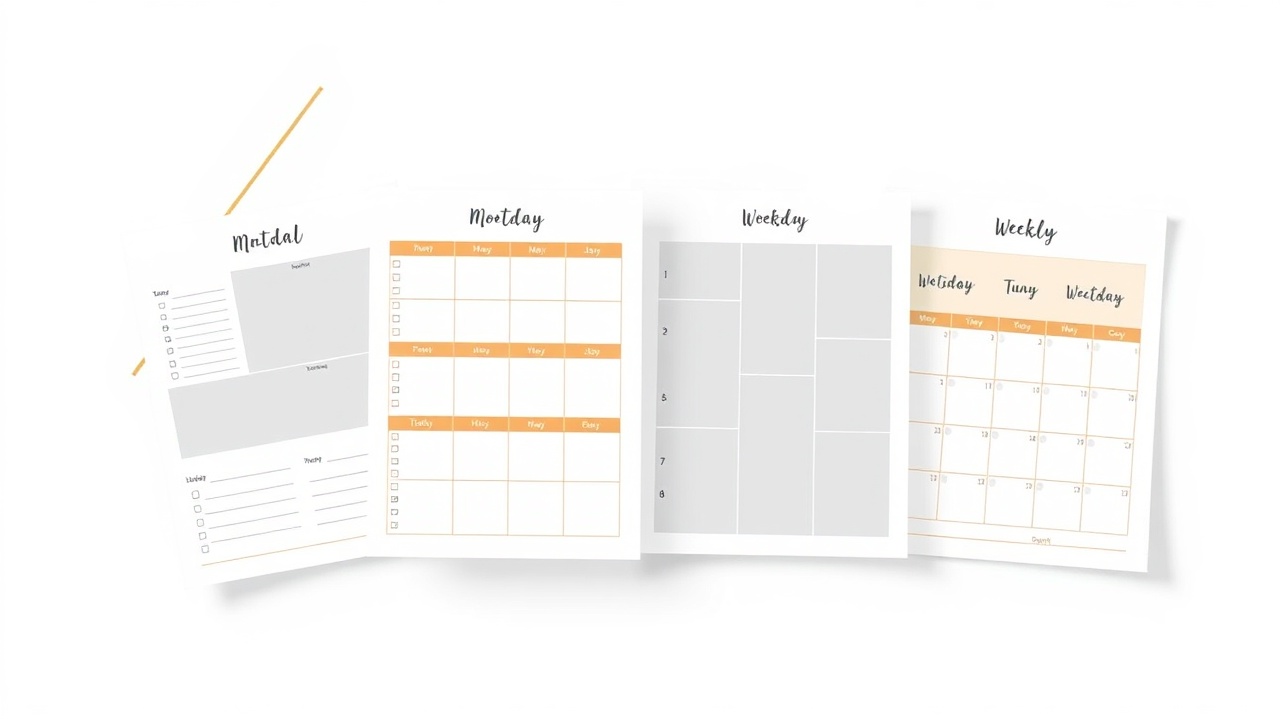
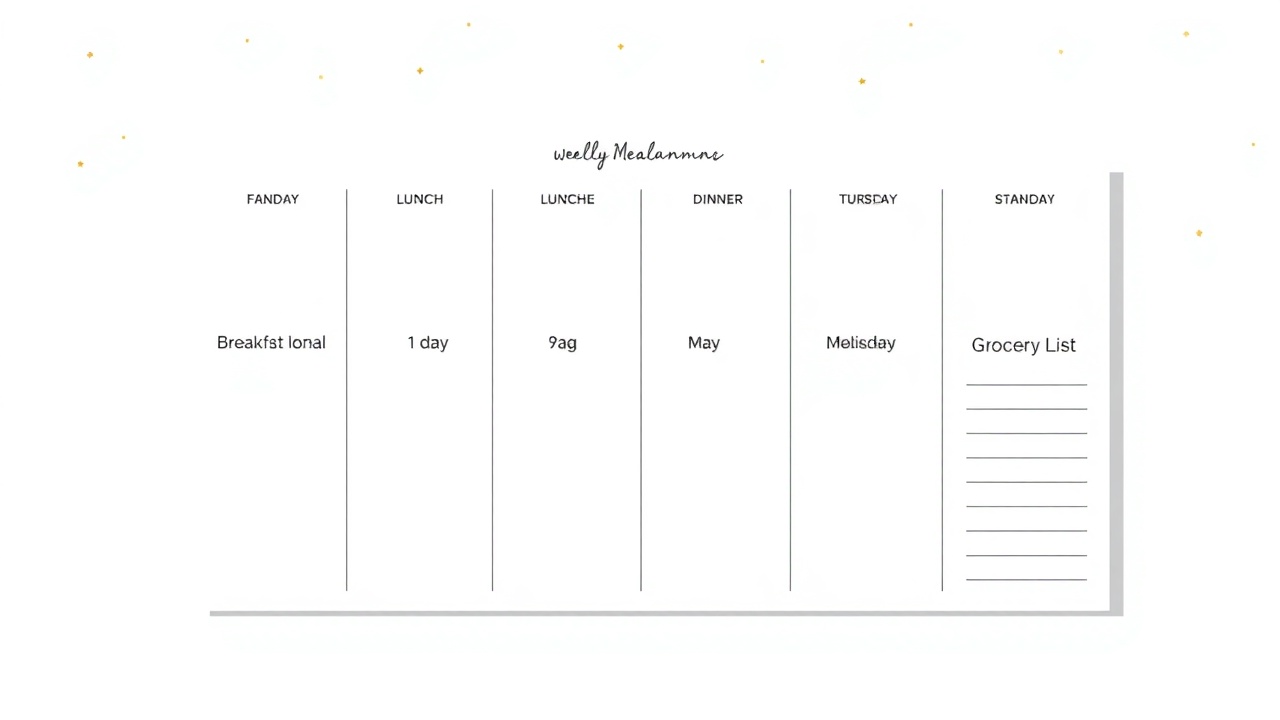
- Weekly overview with spaces for each meal
- Grocery list section (organized by store department)
- Notes area for recipes or prep reminders
- Optional: nutrition tracking, budget tracking, or freezer inventory
Create variations within your niche. If you're targeting the keto crowd, make a basic weekly planner, a monthly version, a macro tracking sheet, and a keto-friendly grocery checklist. Bundle options increase average order value.
For beginners who want to accelerate this process, the Etsy Engine can generate product concepts and listing copy tailored to trending printable categories—useful when you're staring at a blank canvas wondering what to create next.
Step 3: Create listing images that stop the scroll
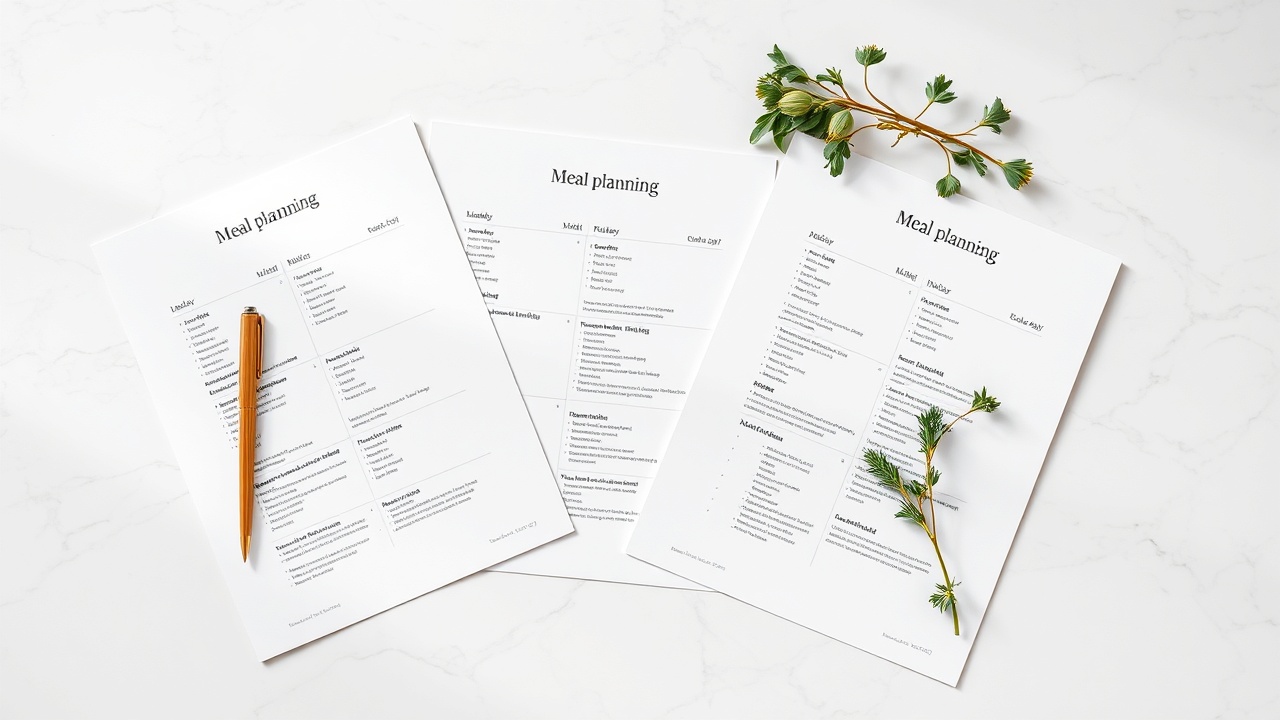
Your listing photos matter more than the actual product design. Buyers decide within two seconds whether to click. You need mockups showing your printable in context—displayed on a clipboard, lying on a marble countertop with a pen nearby, or shown on a tablet screen.
Use mockup generators (Placeit, Smartmockups) or create flat-lay photos with your own props. Include:
- A hero image showing the full product beautifully styled
- Close-up shots of specific sections
- Size comparison or printing instructions
- Bundle preview if selling multiple pages
The sellers earning $3,000+ monthly from printables treat their listing images like magazine covers. Every photo is intentional, every angle considered. Your design might be identical to a competitor's, but superior presentation wins the click.
Step 4: Write SEO-optimized titles, tags, and descriptions
Etsy gives you 140 characters for titles and 13 tags per listing. Use every single one.
Your title should front-load the most important keywords. Instead of "Beautiful Weekly Meal Planner," write "Meal Planner Printable Weekly | Dinner Planning Template | Grocery List PDF | Meal Prep Organizer."
For tags, combine broad terms ("meal planner printable") with specific long-tail phrases ("keto meal prep template," "family dinner planner," "healthy eating tracker"). Each tag should be something a real buyer might search.
Step 5: Price strategically for your niche position
Meal planner printables typically sell between $2.99 and $12.99, with bundles reaching $19.99 or higher. New sellers often underprice, thinking lower prices attract more buyers. This backfires—you attract bargain hunters who leave poor reviews and you devalue your work.
Start at $4.99-$6.99 for single printables. Price bundles at 30-40% less than buying items individually. Offer a "complete collection" at a premium price point for buyers who want everything.
Remember: Etsy buyers searching for meal plan printables Etsy aren't looking for the cheapest option. They want something that feels polished, premium, and worth printing on nice paper.
Step 6: Launch with 15-25 listings minimum
Etsy's algorithm rewards shops with depth. A single listing, no matter how perfect, rarely gains traction. Aim to launch with at least 15 products spanning your niche.
Create variations:
- Different color schemes (same design in minimalist black, soft pastels, bold colors)
- Different formats (weekly, monthly, undated, dated)
- Different sizes (US Letter, A4, half-letter for planners)
- Different bundles (starter pack, ultimate bundle, seasonal collection)
Each variation counts as a separate listing, expanding your keyword reach and shop presence.
Step 7: Drive initial traffic and reviews
New listings need momentum. Share your shop on Pinterest (create pins for each product), Instagram, and relevant Facebook groups. Consider running Etsy Ads at $1-3/day initially to gather data on which listings convert.
Your first 10-15 reviews determine your shop's trajectory. Deliver exceptional quality, include a thank-you note in your download with printing tips, and follow up with buyers (Etsy allows one post-purchase message) asking for honest feedback.
If you're also building content to drive external traffic, tools like the Content Engine can help you produce blog posts or Pinterest articles targeting phrases like "free meal planning tips" that funnel readers toward your Etsy shop.
Realistic earnings & timeline
| Timeline | Expected Sales | Monthly Revenue | Notes |
|---|---|---|---|
| Month 1 | 5-15 sales | $25-$75 | Building listings, gathering first reviews |
| Month 3 | 30-60 sales | $150-$350 | Algorithm recognition, repeat customers |
| Month 6 | 80-150 sales | $400-$900 | Seasonal spikes (especially Jan, Sept) |
| Month 12 | 200-400 sales | $1,000-$2,500 | Established shop, organic traffic |
| Month 18+ | 400-800+ sales | $2,000-$5,000+ | Expanded catalog, multiple niches |
These figures assume consistent effort: adding 2-4 new listings weekly, optimizing underperforming products, and responding to market trends. Sellers who treat this as a "set and forget" side project typically plateau at $200-400/month.
The health printables Etsy market rewards persistence. Most successful sellers report their breakthrough came around month 4-6 when their catalog reached 50+ listings and reviews crossed 100.
Mistakes that kill beginners
1. Copying bestsellers exactly
Studying competitors is smart. Recreating their designs pixel-by-pixel gets you flagged for intellectual property violations and trains you to follow rather than innovate. Find inspiration, then add your unique angle.
2. Ignoring Etsy SEO completely
A gorgeous product with terrible keywords stays invisible. Spend equal time on optimization as you do on design. Test different titles, rotate tags, and analyze your Etsy Stats to see which search terms bring traffic.
3. Pricing too low from insecurity
$1.99 printables attract problem customers and signal low quality. Buyers on Etsy expect to pay fair prices for good work. A meal planner printable priced at $5.99 with professional mockups outsells a $1.99 version with amateur photos every time.
4. Stopping at 10 listings
Most beginners create a handful of products, see minimal sales after two weeks, and assume the market is saturated. The real saturation is in their patience, not the platform. Commit to 50 listings before evaluating whether this works for you.
5. Never updating or refreshing listings
Etsy's algorithm favors activity. Sellers who update descriptions, swap photos, or renew listings signal that their shop is active and maintained. Set a monthly reminder to refresh your top 10 listings with small improvements.
Frequently asked questions
How much does it cost to start selling meal plan printables on Etsy?
Starting costs are minimal. Etsy charges $0.20 per listing plus transaction fees (6.5%). You can create printables with free tools like Canva, making your total startup investment under $10 for your first 20-30 listings.
Do I need nutrition credentials to sell meal planner printables?
No credentials are required for blank planning templates. However, if you include specific diet advice or pre-filled meal suggestions, add a disclaimer stating you're not a licensed nutritionist. Most successful sellers stick to organizational tools rather than medical advice.
How many meal plan printables should I list to start making sales?
Aim for 15-25 listings minimum before expecting consistent traffic. Etsy's algorithm favors shops with variety. Each listing should target a slightly different keyword variation or niche audience within the meal planning category.
Can I sell the same meal plan printables on other platforms besides Etsy?
Yes, you retain rights to your designs. Many sellers also list on Gumroad, Creative Market, Shopify, or their own websites. Diversifying platforms protects your income if Etsy changes policies or fees.
What file formats should I deliver for meal plan printables?
PDF is the industry standard because it prints consistently across devices. Include US Letter (8.5x11) and A4 sizes to serve international buyers. Some sellers also offer editable versions in Canva template links for premium pricing.
The bottom line
Selling meal plan printables on Etsy isn't a get-rich-quick scheme—it's a legitimate small business that rewards consistency, niche focus, and basic marketing skills. The health-conscious buyer isn't going anywhere, and the demand for organizational tools keeps growing. Start with one specific audience, create products that genuinely help them, and treat every listing like it matters. The sellers making real money in 2026 are the ones who started six months ago and never stopped adding value.
Get the AI tools to do all of this — free
Create a free Elite Engines account and get 5 AI money-making engines instantly. No credit card.