Quick Summary
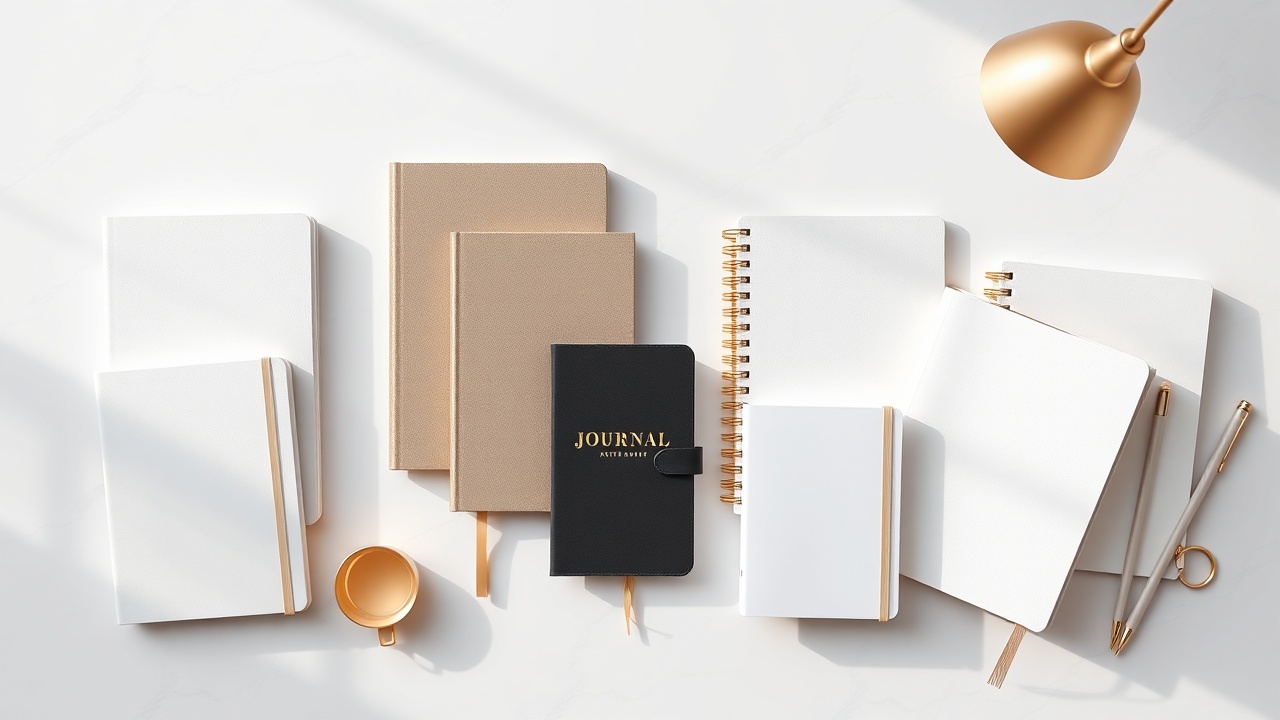
Low content book publishing lets you create and sell journals, planners, and logbooks on Amazon KDP without writing thousands of words. You design simple interior pages, create an attractive cover, upload to Amazon's free platform, and earn royalties every time someone buys. In 2026, success requires smarter niche research and better designs than the early gold-rush days, but the business model remains one of the lowest-barrier entry points into online publishing.
Can you really make money with this in 2026?
As of early 2026, low content book publishing continues to generate real income for thousands of independent publishers—but the landscape has shifted considerably from the wide-open market of 2019-2021.
Amazon KDP processed over 4 million new self-published titles in 2025, and a significant percentage of those were low content books. The saturation means generic "gratitude journals" and plain lined notebooks face brutal competition. However, publishers who target specific audiences—think "ADHD meal planning journals for college students" or "fishing logbooks for Pacific Northwest anglers"—still find profitable gaps.
The economics remain attractive. You pay nothing to publish on KDP. Amazon handles printing, shipping, and customer service through their print-on-demand model. Your only investments are time and any tools you choose to use. Royalties typically range from $1.50 to $4.00 per book sold, depending on your pricing, page count, and trim size.
Is it get-rich-quick? Absolutely not. Is it a legitimate way to build passive income with minimal upfront costs? Yes, if you approach it strategically.

How low content book publishing actually works
The mechanics are straightforward. You create two files: a cover PDF and an interior PDF. The cover wraps around the entire book (front, spine, back). The interior contains the repeating pages—lined paper, dot grids, weekly spreads, or whatever layout suits your product.
You upload both files to Amazon KDP, set your price, write a product description with relevant keywords, and publish. When someone orders your book, Amazon prints a single copy, ships it directly to the customer, and deposits your royalty into your bank account (usually 60 days after the sale).
Low content books fall into three categories:
No content books have completely blank or simply lined/dotted pages. Think basic notebooks and sketchbooks.
Low content books include minimal structure—dated planner pages, journal prompts, habit trackers, or logbook entry templates. These require some design work but no substantial writing.
Medium content books feature more text, such as puzzle books, recipe collections with fill-in sections, or guided journals with extensive prompts. These blur the line into actual content creation.
For beginners, pure low content products offer the fastest path to publishing. You can realistically create a complete journal interior in 1-3 hours once you understand the process.
Step-by-step: how to start
Step 1: Set up your Amazon KDP account
Visit kdp.amazon.com and create a free account using your Amazon login or a new email. Complete your tax information (required before you can publish) and add your bank details for royalty payments. This process takes about 15 minutes.
Step 2: Research profitable niches
This step determines whether you make money or waste time. You need to find niches with proven demand but manageable competition.
Start by browsing Amazon's Books category. Navigate to "Calendars, Planners & Organizers" or "Journals & Notebooks" and explore subcategories. Note which products have strong sales ranks (lower numbers mean more sales) but fewer than 50,000 reviews.
Use Amazon's search bar to generate low content book ideas. Type phrases like "journal for" or "planner for" and see what autocomplete suggests. These suggestions reflect actual search behavior.
Look for specificity. "Fitness journal" is oversaturated. "Powerlifting logbook for women over 40" has far less competition and speaks directly to a defined audience.
Document your findings: niche, estimated monthly sales of top competitors, review counts, and price points. You want niches where the top 5-10 products show consistent sales but haven't accumulated thousands of reviews.
Step 3: Design your interior pages
Canva's free tier handles most low content interior design needs. Set your document to the exact trim size you'll use on KDP (6"x9" is popular for journals; 8.5"x11" works well for planners).
Create your repeating page layout. For a lined journal, this might be a header area, lined writing space, and page number. For a weekly planner, you'd design a two-page spread with days, goals, and notes sections.
Keep margins within KDP's printable area (at least 0.25" on all sides, more for the gutter on the binding edge). Export as a print-quality PDF.
If you want to add introductory pages with tips, quotes, or instructions, Book Engine can generate those sections quickly. You can create a few pages of relevant content—journaling prompts, planning strategies, or motivational material—to differentiate your book from competitors who only include blank pages.
Step 4: Create a compelling cover
Your cover sells your book. In a grid of search results, you have approximately two seconds to catch attention.
Use KDP's cover calculator to get exact dimensions based on your page count and trim size. The spine width changes with page count, so calculate this before designing.
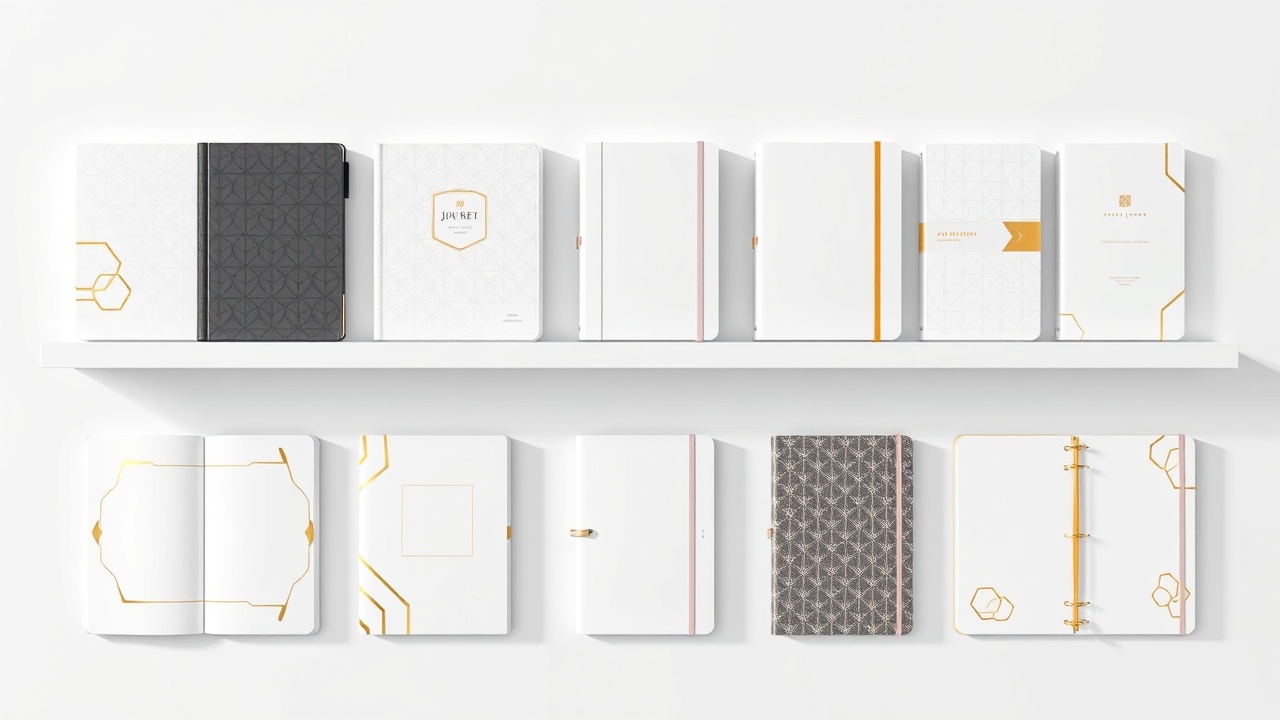
Canva offers book cover templates, or you can start from scratch. Successful low content covers typically feature:
- A clear title that includes your main keyword
- Attractive but simple graphics or patterns
- Colors that stand out in thumbnail size
- Professional typography (avoid more than two fonts)
Your cover is a promise. If it looks cheap, buyers assume the interior is cheap. Invest the extra hour to get this right.
Step 5: Write your product listing
Your title, subtitle, and description directly impact discoverability. Include your primary keyword naturally in the title. Use the subtitle to add secondary keywords and clarify the book's purpose.
For the description, write for humans first—explain who this book is for, what makes it useful, and what's inside. Then ensure relevant search terms appear naturally throughout.
If writing product descriptions feels tedious, Content Engine can draft compelling copy that you refine. This is especially helpful when publishing multiple books and need consistent, keyword-optimized descriptions without rewriting from scratch each time.
Select up to seven keywords in the backend. Use specific phrases your target audience actually searches, not broad terms dominated by established competitors.
Step 6: Publish and iterate
Upload your files, preview the final product carefully (check for margin issues, blurry images, or text problems), set your price, and publish. Amazon's review process typically takes 24-72 hours.
Don't stop at one book. Successful publishers build portfolios. Your first book teaches you the process. Your tenth book starts generating meaningful passive income. Your fiftieth book compounds into real money.
Track what sells and what doesn't. Double down on winning niches with variations: different sizes, related products, seasonal editions. Abandon niches that show zero traction after 60 days.
Realistic earnings & timeline
Honesty matters more than hype. Here's what actual publishers report across different experience levels:
| Stage | Books Published | Monthly Earnings | Time Investment |
|---|---|---|---|
| Beginner (Month 1-3) | 5-15 | $0-$50 | 10-15 hours/week |
| Developing (Month 4-8) | 20-40 | $50-$300 | 8-12 hours/week |
| Intermediate (Month 9-18) | 40-80 | $300-$1,000 | 5-10 hours/week |
| Established (Year 2+) | 80-200+ | $1,000-$5,000+ | 3-8 hours/week |
Q4 (October through December) typically generates 2-3x normal sales due to gift-buying. Many publishers earn half their annual income in those three months.
The compounding nature of this business matters. Books you publish today can sell for years with zero additional effort. A portfolio of 100 books, each selling 2-3 copies monthly, generates substantial passive income indefinitely.
Mistakes that kill beginners
Skipping niche research. Publishing what you think will sell instead of what data confirms actually sells is the fastest path to zero sales. Spend more time researching than designing until you've validated demand.
Copying successful books too closely. Amazon's content policy prohibits knockoffs. Beyond policy violations, customers notice and leave brutal reviews. Use successful books as inspiration for format and positioning, but create genuinely original designs.
Underpricing for the race to the bottom. A $3.99 journal earns roughly $0.50 per sale. A $7.99 journal in the same niche earns $2.50+. Unless you're competing in a brutally commoditized space, price for value. Premium presentation justifies premium pricing.
Publishing once and waiting. One book will not change your financial life. Low content book publishing rewards volume within quality niches. Plan to publish consistently for 6-12 months before judging whether the model works for you.
Ignoring the algorithm timeline. New books receive a brief discoverability boost from Amazon. If your listing isn't optimized—good keywords, strong cover, compelling description—you waste this honeymoon period. Get everything right before hitting publish.
Frequently asked questions
How much money can you make selling low content books on Amazon?
Most beginners earn $100-$500 per month after 6-12 months of consistent publishing. Experienced publishers with 50+ optimized titles often report $1,000-$3,000 monthly. Top performers with hundreds of books in profitable niches can exceed $10,000 per month, though this typically requires 2+ years of dedicated effort.
Do you need design skills to create low content books?
No professional design skills are required. Free tools like Canva offer templates for journal covers and interiors. You need basic computer literacy to arrange elements, choose fonts, and export PDFs. Many successful publishers started with zero design experience and learned the basics within a few hours.
How many low content books do you need to publish to make money?
There is no magic number, but most publishers see meaningful income after 20-30 well-researched books. Quality and niche selection matter more than quantity. Ten books in profitable, low-competition niches will outperform 100 books in saturated markets with poor keyword research.
Is low content book publishing on KDP still profitable in 2026?
Yes, low content book publishing remains profitable in 2026. The market has matured, meaning easy niches are saturated, but opportunities exist in specific sub-niches, seasonal products, and underserved audiences. Success requires better research and differentiation than it did in 2020, but the fundamentals still work.
What are the best types of low content books to sell on Amazon?
The most consistently profitable types include lined journals for specific audiences, daily planners with unique layouts, habit trackers, gratitude journals, fitness logbooks, reading logs, and specialized notebooks for hobbies like gardening, fishing, or crafting. Niche-specific products outperform generic ones.
The bottom line
Low content book publishing won't replace your salary next month, but it remains one of the most accessible paths to building genuine passive income online. You sell journals on Amazon while you sleep, with zero inventory and zero shipping hassles. The barrier to entry is your willingness to research properly, design thoughtfully, and publish consistently—and if you bring those three things, the 2026 market still has room for you.
Get the AI tools to do all of this — free
Create a free Elite Engines account and get 5 AI money-making engines instantly. No credit card.