
Quick Summary
LinkedIn has evolved from a digital resume repository into a legitimate income engine for professionals and freelancers. In 2026, the platform's algorithm rewards consistent creators with unprecedented organic reach, making it one of the most accessible ways to attract high-paying clients without paid advertising. This guide breaks down exactly how to make money on LinkedIn through strategic content, profile optimization, and systematic lead generation—with realistic timelines and earnings expectations.
Can you really make money with this in 2026?
As of early 2026, LinkedIn has crossed 1.1 billion members globally, with over 65 million decision-makers actively using the platform weekly. More importantly for your wallet: LinkedIn users have an average household income 2x higher than other social platforms, and 4 out of 5 members drive business decisions at their companies.
The monetization landscape has shifted dramatically. LinkedIn's creator tools have matured, newsletter subscriptions have exploded, and the platform's algorithm now actively promotes content from individual creators over company pages. This isn't theoretical—freelance consultants, coaches, and service providers are building six-figure businesses entirely through LinkedIn content.
Here's what makes 2026 different: organic reach on LinkedIn still works. While Instagram and Facebook have throttled organic visibility to push paid ads, LinkedIn continues rewarding quality content with substantial free distribution. A well-crafted post can reach 50,000+ professionals without spending a dollar. For B2B services specifically, no other platform offers this combination of reach, buyer intent, and professional context.
The short answer: yes, you can absolutely make money on LinkedIn in 2026. The longer answer involves understanding exactly how the mechanics work and executing a systematic approach.
How making money on LinkedIn actually works
LinkedIn monetization follows a specific value chain that most people misunderstand. You're not getting paid by LinkedIn directly (unless you're in their limited creator fund). Instead, you're using LinkedIn as a client acquisition and trust-building machine.
The mechanics work like this:
Visibility → Credibility → Conversion
Your content creates visibility among your target audience. Consistent, valuable content builds credibility and positions you as an authority. That credibility converts into inbound inquiries, direct messages, and ultimately paying clients.

The linkedin content strategy that drives revenue isn't about going viral—it's about consistently appearing in the feeds of your ideal clients until they know, trust, and eventually buy from you. Most people post randomly and wonder why nothing happens. Successful LinkedIn earners treat their content like a systematic business asset.
There are three primary monetization paths:
- Service-based income: Selling consulting, coaching, freelance services, or agency work to clients who discover you through content
- Product-based income: Selling digital products, courses, templates, or software to your audience
- Partnership income: Brand deals, sponsored content, and affiliate relationships (typically requires 10,000+ followers)
For most professionals and freelancers, service-based income is the fastest path. You already have skills people pay for—LinkedIn just becomes your storefront and lead generation system.
Step-by-step: how to start
Step 1: Define your monetizable niche
Before posting anything, get crystal clear on who pays you and for what. The intersection of your expertise, market demand, and what you actually enjoy doing is your sweet spot.
Write down:
- The specific problem you solve
- Who experiences this problem (job titles, industries, company sizes)
- The outcome clients get from working with you
- Your price point range
Example: "I help SaaS founders increase trial-to-paid conversion rates by optimizing their onboarding sequences. Typical engagement is $5,000-$15,000."
This clarity shapes everything that follows.
Step 2: Optimize your profile for conversion
Your profile isn't a resume—it's a landing page. When someone reads your content and clicks through, your profile needs to answer one question: "Should I reach out to this person?"
Headline formula: [What you do] + [Who you help] + [Outcome they get]
Example: "I help freelancers land $10K+ clients through strategic positioning | Brand Strategist"
About section structure:
- Open with the problem your audience faces
- Introduce yourself as someone who solves it
- Share relevant credibility markers (results, clients, experience)
- End with a clear call to action
Featured section: Pin your best-performing posts, case studies, or lead magnet. If you don't have a lead magnet yet, the Lead Magnet Engine can help you create a professional PDF resource with a landing page in minutes rather than days.
Step 3: Build your content system
Consistent posting beats sporadic brilliance. Aim for 4-5 posts per week minimum. Here's a content mix that drives linkedin lead generation:
Content pillars:
- 40% Educational: Teach something useful from your expertise
- 30% Story-driven: Personal experiences, client wins, lessons learned
- 20% Opinion/Contrarian: Industry takes that spark conversation
- 10% Direct offers: Service mentions, case studies, testimonials
"The biggest mistake on LinkedIn isn't what you post—it's how inconsistently you show up. The algorithm rewards momentum, and your audience remembers who appears regularly."
Post formats that work in 2026:
- Text posts (1,000-1,500 characters perform best)
- Document carousels (PDF slides teaching a concept)
- Short-form video (under 90 seconds)
- Polls (for engagement, less for conversion)
Step 4: Master the engagement game
Creating content is half the equation. The other half is strategic engagement that puts you in front of potential clients.
Daily routine (30-45 minutes):
- Comment thoughtfully on 10-15 posts from people in your target market
- Respond to every comment on your own posts within the first hour
- Send 3-5 personalized connection requests to ideal prospects
Your comments should add value, not just "Great post!" Share a relevant insight, ask a smart question, or offer a complementary perspective. These comments get seen by the original poster's entire audience.
Step 5: Create a conversion pathway
Visibility without a system to capture interest is wasted effort. You need a clear pathway from "saw your post" to "became a client."
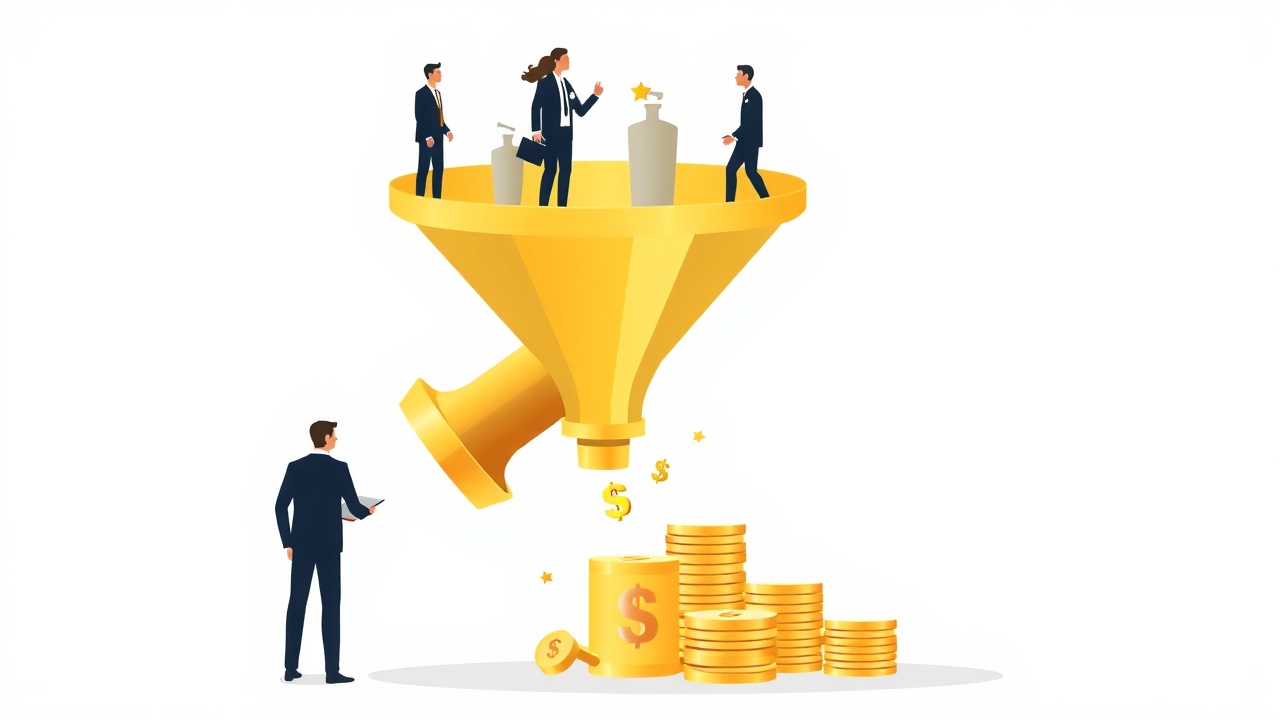
The standard pathway:
- Content attracts attention
- Profile builds credibility
- Lead magnet captures contact info
- Email nurture sequence builds relationship
- Discovery call converts to client
Your lead magnet solves a small version of the problem you get paid to solve. If you're a copywriter, offer a headline swipe file. If you're a business coach, offer a growth audit template.
Once you're capturing emails, use the Email Engine to write and send nurture sequences that warm leads toward a sales conversation. The difference between sporadic income and predictable revenue often comes down to email follow-up.
Step 6: Scale with direct outreach
Once you've established credibility through content, warm outreach becomes significantly more effective. You're not cold-messaging strangers—you're reaching out to people who've already seen your name.
Target:
- People who engage with your posts (commenters, likers)
- New connections in your target market
- People who view your profile
Message framework:
- Reference a genuine connection point
- Offer something valuable (insight, resource, introduction)
- Ask a low-commitment question
This isn't about pitching immediately—it's about starting conversations that can naturally evolve toward business discussions.
Realistic earnings & timeline
Let's be honest about what to expect. LinkedIn monetization is real, but it's not instant.
| Experience Level | Monthly Earnings | Timeline | Key Milestone |
|---|---|---|---|
| Beginner (0-1K followers) | $0-$500 | Months 1-3 | First inbound inquiry |
| Building (1K-5K followers) | $500-$2,000 | Months 3-6 | First client from content |
| Established (5K-15K followers) | $2,000-$8,000 | Months 6-12 | Consistent monthly clients |
| Authority (15K+ followers) | $8,000-$25,000+ | Months 12-24 | Waitlist for services |
These numbers assume linkedin for business services priced at $1,500-$10,000 per engagement. If you're selling lower-ticket offers, multiply volume expectations accordingly.
The timeline compresses significantly if you:
- Already have industry expertise and credibility
- Post daily instead of 3-4x weekly
- Combine content with strategic outreach
- Have an existing email list or audience elsewhere
Most people quit in month two, right before results would have appeared. The professionals who earn serious money from LinkedIn committed to at least six months of consistent effort before evaluating whether it "works."
Mistakes that kill beginners
1. Treating LinkedIn like a job board instead of a content platform
Posting "I'm available for hire" content screams desperation. The professionals who attract the best clients rarely ask for work directly—they demonstrate expertise until clients ask to work with them.
2. Inconsistent posting that destroys momentum
The algorithm rewards consistency. Posting five times in one week, then disappearing for three weeks, resets your momentum entirely. Better to post three times weekly for six months than daily for two weeks.
3. Creating content without a conversion system
Thousands of views mean nothing without a way to capture and convert that attention. Before obsessing over content performance, ensure you have an optimized profile, a lead magnet, and a clear path to purchase. The Site Engine can help you quickly build a professional landing page or services site that gives your LinkedIn traffic somewhere compelling to go.
4. Copying tactics without understanding strategy
Borrowing viral post formats without adapting them to your positioning creates generic content that generates engagement but not clients. The goal isn't maximum likes—it's attracting the right 100 people who might actually buy.
5. Ignoring the relationship-building in DMs
Public content creates awareness. Private conversations create clients. Many LinkedIn earners report that 80% of their clients came through DM conversations that started from content engagement. Don't neglect inbox relationship-building.
Frequently asked questions
How much money can you realistically make on LinkedIn?
Realistic earnings range from $500-$2,000 monthly for beginners in their first 6 months, scaling to $5,000-$20,000+ monthly for established professionals with optimized profiles and consistent content strategies. High-ticket consultants and coaches regularly report $10,000+ months from LinkedIn-sourced clients alone.
Do you need LinkedIn Premium to make money on the platform?
No, LinkedIn Premium is not required to monetize the platform. The free version provides sufficient features for content creation, networking, and inbound lead generation. Premium can accelerate results through InMail and advanced search, but most successful LinkedIn earners built their foundation using free accounts.
How long does it take to get your first client from LinkedIn?
Most professionals who post consistently and engage strategically land their first client within 60-90 days. Some see results faster if they already have an established network or niche expertise. The key variables are posting frequency, content quality, and how actively you engage with potential clients in comments.
What type of content works best for making money on LinkedIn in 2026?
Story-driven posts that demonstrate expertise, client transformation case studies, contrarian industry takes, and educational carousels perform best for monetization. Video content and document posts also see strong engagement. The key is mixing value-driven content with subtle positioning that makes your services the obvious solution.
Is LinkedIn better than other platforms for freelancers and consultants?
For B2B services, consulting, and professional freelancing, LinkedIn typically outperforms other platforms because users are already in a business mindset. The average LinkedIn user has 2x the buying power of users on other social platforms, and decision-makers actively use it for vendor research and hiring.
The bottom line
Learning how to make money on LinkedIn isn't complicated—it requires consistency, strategic positioning, and patience most people won't commit to. The professionals earning $5,000-$20,000+ monthly from this platform aren't using secret tactics; they're showing up daily with valuable content while everyone else waits for "the right time." Your expertise already has value. LinkedIn is simply the megaphone.
Get the AI tools to do all of this — free
Create a free Elite Engines account and get 5 AI money-making engines instantly. No credit card.