Quick Summary
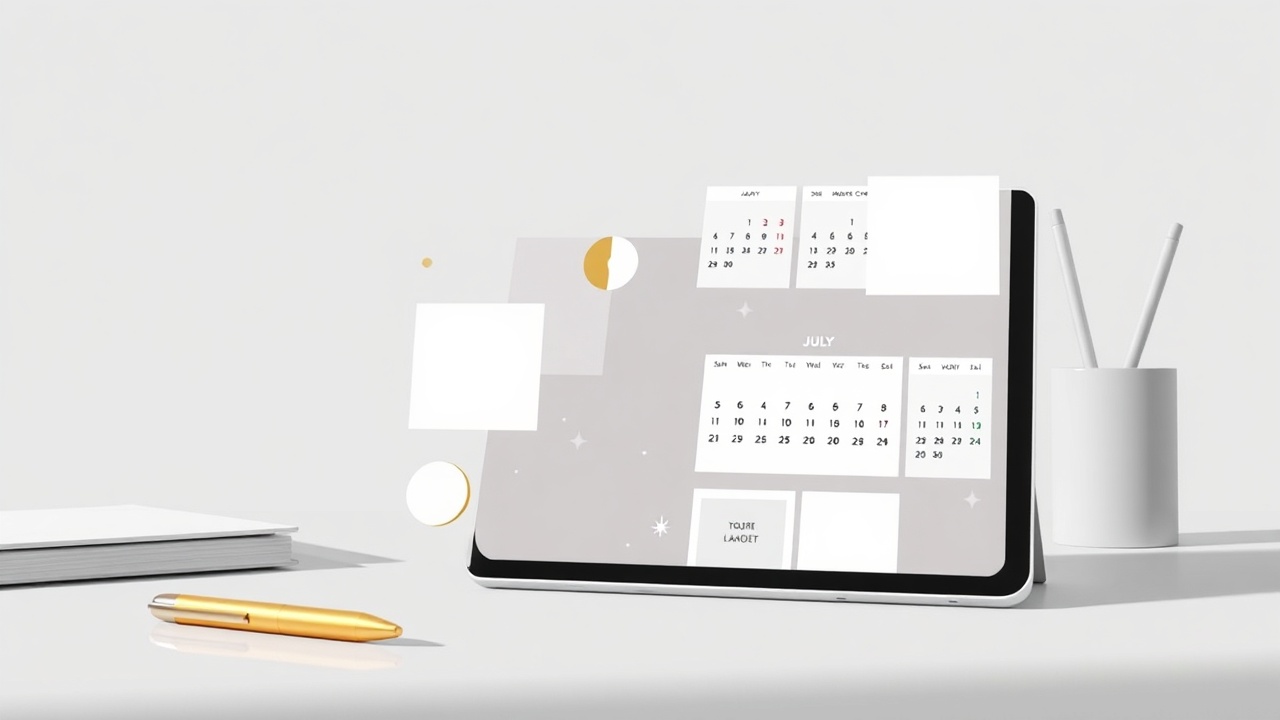
Digital planners are one of the most sustainable digital product categories heading into 2026, with tablet ownership continuing to climb and the planner community spending heavily on organizational tools. This guide walks you through designing GoodNotes-compatible planners, listing them strategically on Etsy, and marketing to organized creators who actively search for their next planning system. You don't need design school credentials—just a methodical approach and willingness to learn what the market actually wants.
Can you really make money with this in 2026?
As of early 2026, the digital planner market is healthier than skeptics predicted. Etsy reported that digital downloads remained one of their fastest-growing categories through 2025, with planning and productivity templates leading the charge. The global digital planner market is projected to exceed $800 million by the end of 2026, driven by continued iPad adoption and GoodNotes surpassing 30 million users.
Here's what makes this opportunity real: tablet users don't buy one planner and stop. They collect them. They buy seasonal versions, niche-specific versions, and aesthetic refreshes. A customer who purchases your undated daily planner in January might return for your fitness planner in March and your Q4 goal-setting bundle in September.
The competition has increased, but so has the market. Successful sellers in 2026 aren't competing on price—they're competing on specificity, user experience, and community presence. Shops with 20-30 well-optimized listings are consistently reporting $2,000-5,000 monthly revenue, with top performers exceeding $15,000.
This isn't theoretical. It's documented across seller forums, income reports, and Etsy's own trend data. If you're willing to learn the craft and treat this as a real business, the economics work.
How selling digital planners actually works
The mechanics are straightforward once you understand the ecosystem.
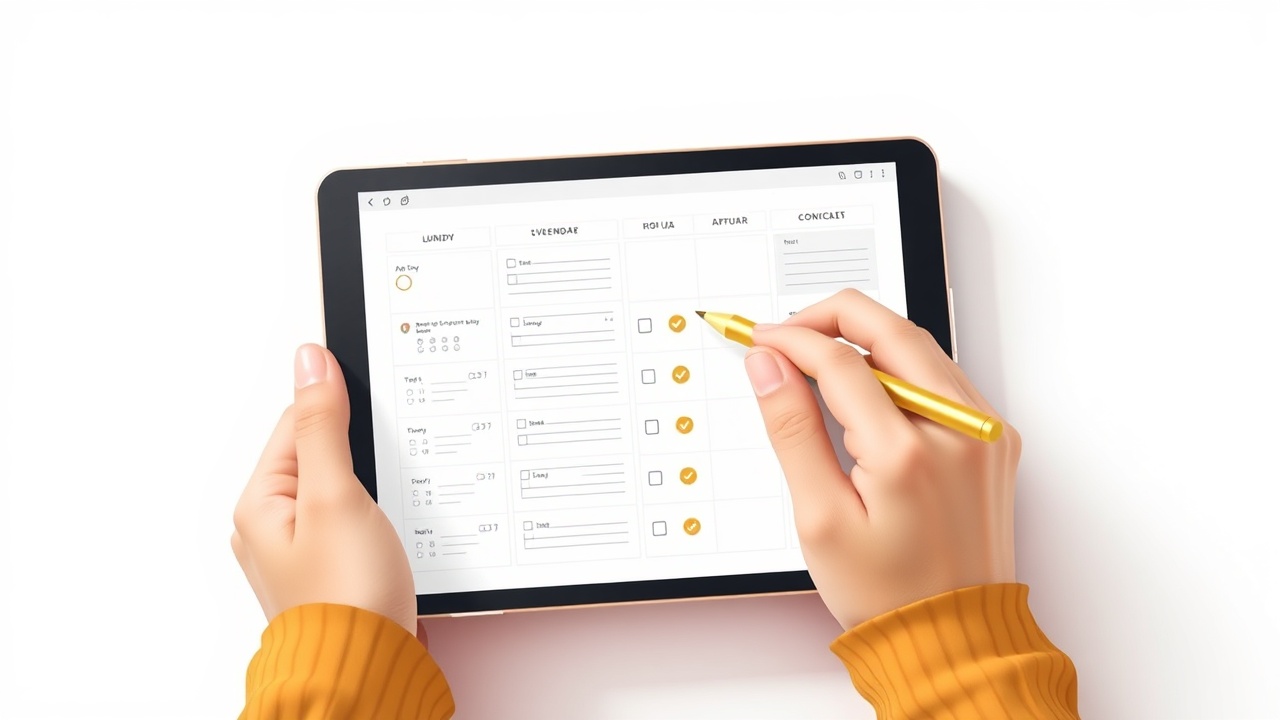
You create a digital planner as an interactive PDF file. This file contains hyperlinked tabs, clickable navigation, and fillable fields that work seamlessly with note-taking apps like GoodNotes, Notability, and Noteshelf. Buyers download the file, import it into their app, and use it on their iPad or Android tablet.
Your revenue comes from three channels:
Primary sales on Etsy: You list your planners on Etsy, optimize for search, and capture buyers actively looking for planning solutions. Etsy takes approximately 9-12% in fees (listing, transaction, and payment processing combined).
Direct sales through your own site: As you build an audience, many sellers transition to Shopify, Gumroad, or Payhip stores where fees drop to 3-5%. You keep more per sale but must drive your own traffic.
Bundles and upsells: Once customers trust your work, they purchase bundles, seasonal updates, and complementary products. Your $12 daily planner becomes a $47 complete planning system.
The product itself is delivered automatically. You upload files once, Etsy handles delivery, and you collect payments while you sleep. The work is front-loaded: design, optimize, market. The income continues as long as people find your listings.
Step-by-step: how to start
Step 1: Research what's actually selling
Before designing anything, spend 3-5 hours studying Etsy's digital planner category. Search "digital planner 2026," "GoodNotes planner," and "iPad planner" to see what appears on the first two pages.
Pay attention to:
- Which listings have thousands of reviews (proven demand)
- What price points dominate ($8-15 for single planners, $25-50 for bundles)
- Which aesthetic styles recur (minimalist, boho, dark mode, colorful)
- What niches are underserved (ADHD planners, small business planners, homeschool planners)
Document your findings. You're looking for gaps: popular categories with room for improvement, or niche audiences whose needs aren't fully met.
Step 2: Choose your niche and style
Don't try to compete with established shops selling generic planners. Instead, own a specific corner of the market.
Strong niches for 2026 include:
- ADHD-friendly planners with simplified layouts and dopamine-friendly design
- Content creator planners with posting calendars and analytics trackers
- Fitness and nutrition planners with macro tracking and workout logs
- Academic planners optimized for semester schedules
- Budget planners with sinking funds and debt payoff trackers
Your aesthetic should be consistent across all products. Pick a color palette, typography style, and visual approach that becomes recognizable. Cohesive shops convert browsers into buyers.
Step 3: Design your first planner
Start with Canva Pro if you're new to design. It offers planner templates you can customize, and exports PDF files with hyperlinks. For more control, Affinity Designer ($70 one-time) or Adobe Illustrator (subscription) give professional results.
Every GoodNotes planner needs:
- Cover page with your branding
- Hyperlinked tabs for navigation between sections
- Monthly spreads (dated or undated)
- Weekly spreads with daily breakdowns
- Notes pages and specialty pages relevant to your niche
- Clickable index so users can jump to any section
Test your planner in GoodNotes and Notability before listing. Broken links or formatting issues kill reviews.
Step 4: Create your Etsy listings
Your listing determines whether you get found and whether browsers become buyers. This is where most beginners fail—not because their product is bad, but because their listing doesn't communicate value.
Your title should front-load keywords: "Digital Planner 2026 | GoodNotes Planner | iPad Planner | Daily Weekly Monthly | Undated Minimalist Planner"
Your description needs:
- Opening hook explaining what makes this planner different
- Bullet points listing every included page/feature
- Compatibility information (GoodNotes, Notability, etc.)
- Download and usage instructions
- Dimensions and specifications
If you want to scale your Etsy presence quickly, the Etsy Engine can help you generate optimized listings and product ideas based on what's actually performing in the marketplace. It handles the SEO-heavy lifting so you can focus on design.
Step 5: Create mockups that convert
Your listing photos are everything. Etsy shoppers scroll fast. You need images that stop thumbs.
Effective mockup strategies:
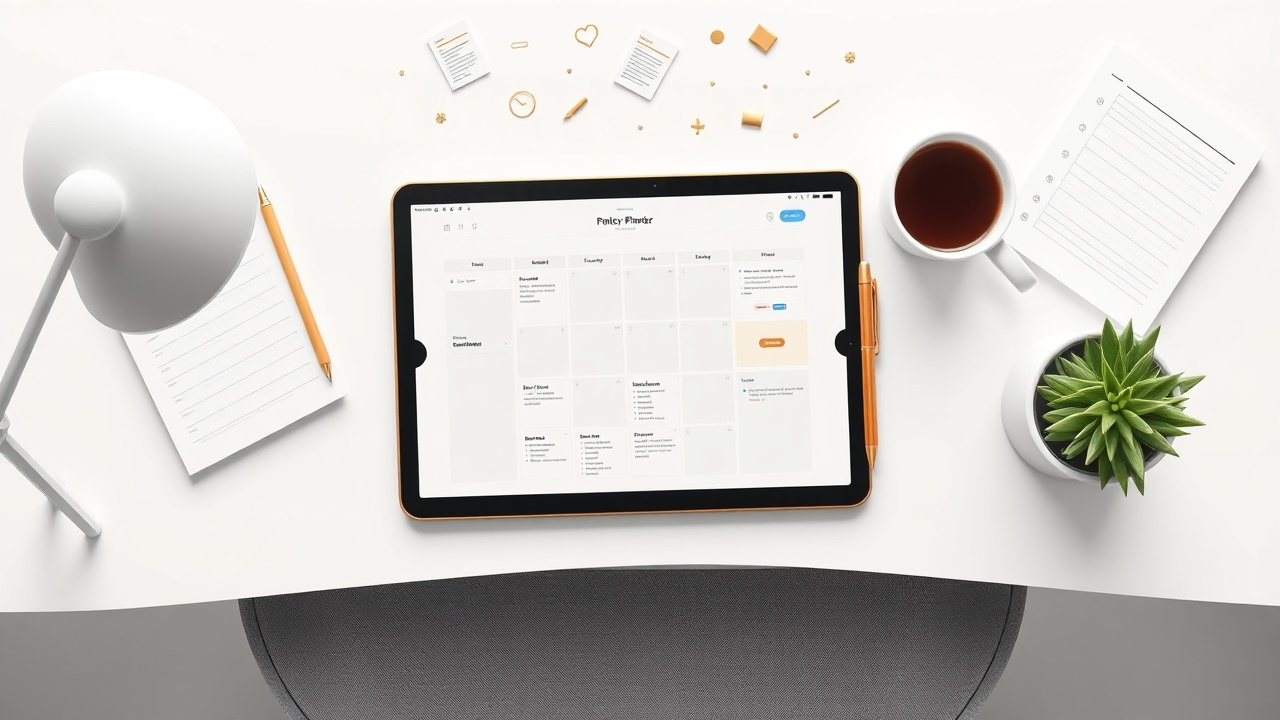
- Show the planner on an iPad in a lifestyle setting
- Display multiple pages in a grid to show variety
- Include close-ups of key features (habit trackers, hyperlinked tabs)
- Use your brand colors consistently
- Show before/after of blank vs. filled pages
Tools like Placeit and Creative Market offer iPad mockup templates. Invest $20-50 in professional mockups—they pay for themselves in higher conversion rates.
Step 6: Price strategically
Don't race to the bottom. Cheap prices signal cheap quality. The best digital planners to sell are priced based on value, not competition.
Pricing framework:
- Single undated planners: $9.99-14.99
- Dated annual planners: $12.99-19.99
- Planner bundles (3-5 products): $29.99-49.99
- Complete planning systems: $47-97
Always create a bundle that offers perceived savings. If your individual planners total $45, price the bundle at $34. You increase average order value while giving customers a deal.
Step 7: Market to the planner community
Etsy SEO brings passive traffic, but active marketing accelerates growth.
Pinterest: The planner community lives on Pinterest. Create pins showing your planner layouts, link directly to Etsy listings, and post consistently. Pinterest drives more Etsy traffic than Instagram for digital products.
TikTok and YouTube: "Plan with me" videos perform well. Show your planner in action, demonstrate features, and include shop links in your bio.
The sellers earning $5,000+ monthly aren't just listing products—they're building communities. They show up where planner enthusiasts gather, provide genuine value, and become trusted voices.
If you're creating YouTube content around your digital planner business, the Thumbnail Engine can help you design click-worthy thumbnails that actually get your planning tutorials noticed in search results.
Step 8: Expand your catalog systematically
One planner won't build a business. Aim for 15-25 listings within your first 6 months.
Expansion strategies:
- Create seasonal versions (back to school, New Year, holiday)
- Offer different aesthetic variations of your core planner
- Design complementary products (sticker sheets, covers, inserts)
- Build bundles from individual products
Every new listing increases your surface area for discovery. More listings mean more chances to appear in search.
Realistic earnings & timeline
| Stage | Timeline | Listings | Monthly Revenue | Monthly Hours |
|---|---|---|---|---|
| Launch | Month 1-2 | 3-5 | $0-100 | 25-40 |
| Growth | Month 3-6 | 10-20 | $200-800 | 15-25 |
| Traction | Month 7-12 | 20-35 | $800-2,500 | 10-20 |
| Established | Year 2+ | 35-60+ | $2,500-7,000+ | 8-15 |
These numbers assume you're treating this as a real digital planner business: optimizing listings, responding to reviews, and actively marketing. Passive listing without promotion yields passive results.
Top performers who invest in content marketing and community building reach $10,000+ monthly, but that typically requires 18-24 months of consistent effort. This isn't a get-rich-quick play—it's a compounding asset you build over time.
Mistakes that kill beginners
1. Designing before researching. Falling in love with your aesthetic before validating demand wastes weeks of work. Research first, design second.
2. Ignoring mobile optimization. Most Etsy browsing happens on phones. If your listing photos don't communicate value on a 6-inch screen, you lose the sale before it starts.
3. Skipping hyperlink testing. A single broken link generates a negative review. Test every navigation element in multiple apps before listing.
4. Pricing too low. A $4 planner signals amateur work. Buyers pay $15-25 for planners they trust will work properly. Price reflects perceived value.
5. Giving up at month three. The Etsy algorithm rewards shops that demonstrate consistent activity over time. Most sellers quit right before their listings would have gained traction. Commit to six months minimum before evaluating results.
Frequently asked questions
How much does it cost to start a digital planner business?
You can start a digital planner business for under $100. Essential costs include design software like Canva Pro ($13/month) or a one-time Affinity Designer purchase ($70), plus Etsy listing fees ($0.20 per listing). Many successful sellers started with free tools like Canva's free tier and upgraded as revenue grew.
What software do I need to create digital planners?
The most popular tools are Canva Pro, Affinity Designer, Adobe Illustrator, or Keynote (free on Mac). For hyperlinks and interactivity, you'll need a PDF editor like Adobe Acrobat or the free PDF-XChange Editor. Many beginners start with Canva Pro because it handles both design and basic PDF export.
Do I need to know graphic design to sell digital planners?
No formal design training is required. Many top-selling digital planner creators are self-taught. Start with simple, clean layouts and focus on functionality over complexity. Templates and design tools like Canva make it possible to create professional-looking planners with drag-and-drop simplicity.
What are the best digital planners to sell in 2026?
The best digital planners to sell in 2026 include undated daily planners with habit trackers, niche-specific planners (ADHD, fitness, business), academic planners with GoodNotes optimization, and aesthetic themed bundles. Planners with hyperlinked navigation and customizable covers consistently outperform static designs.
How long does it take to make money selling digital planners?
Most sellers see their first sale within 2-4 weeks of listing optimized products. Reaching consistent income of $500-1,000/month typically takes 4-8 months with 15-25 quality listings. Full-time income ($3,000+/month) usually requires 12-18 months of consistent effort, SEO optimization, and audience building.
The bottom line
Selling digital planners in 2026 works—but only if you approach it with the same rigor you'd apply to any real business. Design with your customer's workflow in mind, optimize relentlessly for Etsy search, and show up consistently in the communities where planner enthusiasts gather. The organized creators buying these products value quality and specificity over bargain-bin pricing, and they reward sellers who deliver genuinely useful tools.
Get the AI tools to do all of this — free
Create a free Elite Engines account and get 5 AI money-making engines instantly. No credit card.