
Quick Summary
AI voiceover has matured into a legitimate income stream for creators who prefer working behind the scenes. You can make money with AI voiceover two ways: building faceless YouTube channels that generate ad revenue, and selling voiceover services directly to other creators who need narration for their content. This guide breaks down exactly how the business works, what you can realistically earn, and the step-by-step process to start generating income in 2026.
Can you really make money with this in 2026?
As of early 2026, the AI voiceover market has crossed $1.2 billion globally, and individual creators are capturing meaningful slices of that growth. Three factors make this moment particularly favorable for newcomers.
First, voice quality has reached a tipping point. Tools like ElevenLabs, Murf.ai, and Play.ht now produce narration that passes the casual listener test—meaning most viewers cannot distinguish AI-generated speech from a professional voice actor. This wasn't true even eighteen months ago.
Second, demand for faceless video content continues to climb. YouTube's algorithm doesn't care whether a face appears on screen. Channels in niches like true crime, personal finance, tech explainers, and historical documentaries regularly hit millions of views without ever showing a human. These channels need thousands of minutes of voiceover annually, and AI makes that economically viable.
Third, the creator economy has fragmented. Solo operators struggle to handle scripting, recording, editing, and promotion simultaneously. Many are willing to pay for voiceover services that save them the most time-intensive piece: sitting in front of a microphone. If you can deliver polished audio files quickly, clients exist.
The honest answer: yes, you can make money with AI voiceover in 2026. But sustainable income requires treating this as a skill-based business, not a push-button scheme. The technology is the easy part. Execution separates earners from experimenters.

How AI voiceover actually works
Understanding the mechanics helps you spot opportunities others miss.
AI voice generation relies on neural text-to-speech models trained on hundreds of hours of human recordings. You input text, select a voice profile, adjust parameters like speed and emotional tone, and the system outputs an audio file. The entire process takes seconds for a paragraph, minutes for a full script.
Monetization happens through two primary channels:
Channel one: your own content. You create faceless YouTube videos, TikToks, or Reels using AI narration. Revenue comes from platform ad programs, affiliate links mentioned in videos, and sponsored segments. Your content becomes an asset that earns repeatedly after the initial creation effort.
Channel two: client services. Other creators, course builders, and businesses need voiceovers but lack the time or technical knowledge to produce them. You sell voiceovers as a service on platforms like Fiverr, Upwork, or through direct outreach. This model trades time for money but offers faster initial cash flow.
Most successful operators run both channels simultaneously. Client work provides steady income while you build content assets that compound over time.
The AI voiceover business differs from traditional voice acting in one critical way: you're not selling your voice. You're selling speed, consistency, and the creative judgment to match the right AI voice to the right project. That shift opens the door to anyone willing to develop those skills.
Step-by-step: how to start
Here's the concrete path from zero to earning.
Step 1: Choose your primary voice tool
Start with one platform and master it before expanding. For beginners, Murf.ai offers the best balance of quality and affordability at around $29/month. ElevenLabs provides superior voice cloning if you plan to create a signature voice for your channel, priced at $22/month for the starter tier. Play.ht works well for high-volume projects with its unlimited character plans.
Sign up for free trials, generate sample audio, and test how each handles different script types. Pay attention to how natural the voices sound during transitions between sentences—that's where cheap tools expose themselves.
Step 2: Select a profitable niche
Not all content categories perform equally with AI voiceover. High performers include:
- Finance and investing explainers
- Tech news and product comparisons
- True crime and mystery storytelling
- Historical documentaries
- Motivational and self-improvement content
- Reddit story compilations
These niches share common traits: audiences expect informational delivery over personality, watch time tends to be high, and advertiser CPMs range from $8-25. Avoid niches where personal connection matters, like lifestyle vlogging or relationship advice.
Step 3: Develop a script workflow
Your voiceover is only as good as your script. Weak writing creates weak videos regardless of voice quality.
For faceless YouTube content, your script needs a hook that stops scrolling within the first five seconds, a clear value promise, and a structure that maintains curiosity throughout. The YouTube Viral Engine can generate tested hooks and full script frameworks designed specifically for faceless videos—useful when you're producing multiple pieces weekly and need to maintain quality without burning out on blank-page syndrome.
For client work, request detailed briefs and clarify tone expectations before generating any audio. Revisions eat your profit margin, so alignment upfront matters.
Step 4: Master voice configuration
The default settings on any AI voice tool sound robotic. Professionals adjust:
- Speed: Usually 5-10% slower than default for YouTube narration
- Stability: Lower values add variation but risk inconsistency; start around 70%
- Clarity/Similarity Enhancement: Higher values sound cleaner but less human; find your sweet spot
- Pauses: Manually add pauses in your script using punctuation or SSML tags
Spend your first week experimenting with these settings. Export the same paragraph twenty times with different configurations. Train your ear to recognize what sounds natural versus synthetic.
The creators making real money with AI voiceover aren't using better tools than everyone else—they've simply learned to configure standard tools better than everyone else.
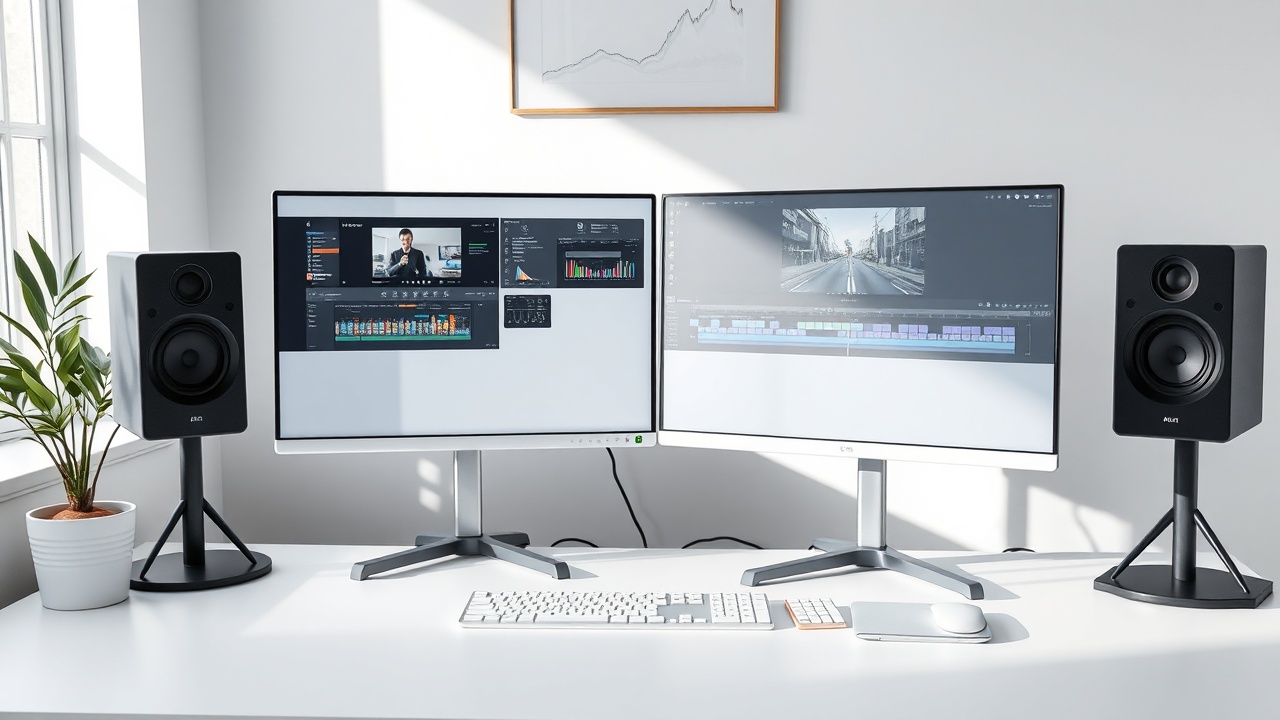
Step 5: Build your visual production system
Voiceover without visuals doesn't earn. For faceless videos, you need:
- Stock footage (Pexels, Storyblocks, or Envato Elements)
- Motion graphics templates (Canva, Motion Array, or After Effects presets)
- A video editor (DaVinci Resolve is free and professional-grade)
- Thumbnail creation capability
Thumbnails directly impact whether anyone clicks your video. A mediocre video with a great thumbnail outperforms a great video with a mediocre thumbnail every time. The Thumbnail Engine generates click-optimized thumbnails that match your video topic, which removes one more creative bottleneck from your production pipeline.
Step 6: Establish your service offerings
If you're pursuing client work to sell voiceovers, create packages rather than hourly rates:
- Basic: Raw AI voiceover file, 1 revision, 48-hour delivery — $25-50 per minute of audio
- Standard: Voiceover with background music, noise removal, 2 revisions — $50-100 per minute
- Premium: Full audio production with sound effects, unlimited revisions, 24-hour delivery — $100-200 per minute
List services on Fiverr and Upwork initially. As you accumulate reviews, raise prices and transition to direct client relationships where platforms don't take 20% cuts.
Step 7: Launch and iterate
Publish your first faceless video or deliver your first client project within two weeks of starting. Speed matters more than perfection at this stage. You'll learn more from one published video than from ten drafts you never release.
Track these metrics weekly:
- Click-through rate on videos (target 4-8%)
- Average view duration percentage (target 40%+)
- Client revision requests (target less than 2 per project)
- Revenue per hour of work invested
Let data guide your improvements rather than assumptions.
Realistic earnings & timeline
| Stage | Monthly Revenue | Time to Reach | Weekly Hours |
|---|---|---|---|
| Learning (months 1-2) | $0-200 | Immediate | 10-15 |
| Beginner (months 3-6) | $200-800 | 3 months | 12-20 |
| Intermediate (months 7-12) | $1,500-4,000 | 6-9 months | 15-25 |
| Advanced (year 2+) | $5,000-15,000+ | 12-18 months | 20-35 |
These figures assume you're running both a faceless channel and client services. Pure service work caps lower due to time constraints. Pure content play takes longer to ramp but scales better.
The timeline accelerates dramatically if you already have skills in video editing, copywriting, or sales. It extends if you're starting from zero in all areas.
One additional income stream worth mentioning: written content. If you're building authority in your niche, publishing SEO articles drives traffic to your services and affiliate offers. The Content Engine produces long-form articles that can support your AI voiceover business by generating organic leads while you sleep.
Mistakes that kill beginners
Using default voice settings. This single mistake accounts for most "AI voiceover sounds robotic" complaints. The tools are capable; the operators are lazy. Spend time configuring until your output sounds genuinely natural.
Choosing personality-dependent niches. Trying to build an AI voice YouTube channel around humor, reactions, or personal stories fights against the technology's strengths. Pick informational niches where authoritative narration enhances rather than detracts.
Underpricing client work. New sellers race to the bottom on Fiverr, offering voiceovers for $5. This attracts terrible clients, burns you out, and establishes a reputation you'll struggle to escape. Start at reasonable rates and compete on quality and speed instead.
Neglecting the visual layer. AI voiceover is audio, but monetization happens through video or full-service packages. Creators who treat visuals as an afterthought hit a ceiling quickly. Invest equal energy in your video production quality.
Expecting overnight results. YouTube channels typically need 30-50 videos before the algorithm has enough data to promote your content meaningfully. Client businesses need 20-30 reviews before strangers trust you. Plan for a six-month runway of consistent effort before judging whether this works for you.
Frequently asked questions
Is AI voiceover legal to use for commercial purposes?
Yes, most AI voice platforms offer commercial licenses that allow you to use generated voices for YouTube videos, client projects, and other money-making purposes. Always check the specific terms of service for the tool you choose, as some free tiers restrict commercial use while paid plans permit it.
How much can you realistically make with AI voiceover services?
Beginners typically earn $200-$800 per month in their first six months. Intermediate creators with established channels or client bases can reach $1,500-$4,000 monthly. Top performers running multiple faceless channels and serving premium clients report $8,000-$15,000 or more per month.
What are the best AI voice generators for YouTube videos?
ElevenLabs, Murf.ai, and Play.ht are among the most popular choices for YouTube creators in 2026. ElevenLabs offers the most natural-sounding voices, Murf.ai provides excellent value for beginners, and Play.ht excels at long-form content with consistent quality.
Do YouTube viewers dislike AI voiceovers?
Modern AI voices are nearly indistinguishable from human narration when configured correctly. Viewer sentiment depends more on content quality than voice source. Channels in niches like tech explainers, finance education, and documentary-style content perform especially well with AI narration.
How long does it take to create a faceless YouTube video with AI voiceover?
Once you establish a workflow, a 10-minute faceless video typically takes 2-4 hours from script to upload. This includes writing or generating the script, creating the voiceover, editing visuals, and adding music. With practice and templates, some creators reduce this to under 90 minutes per video.
The bottom line
The opportunity to make money with AI voiceover is real, accessible, and growing—but it rewards people who treat it as a craft rather than a hack. Build your skills in voice configuration and content strategy, stay consistent through the slow early months, and you'll find yourself with an income stream that doesn't require you to ever appear on camera.
Get the AI tools to do all of this — free
Create a free Elite Engines account and get 5 AI money-making engines instantly. No credit card.