Quick Summary
Building and selling AI chatbots to local businesses is one of the most accessible AI service opportunities in 2026. You don't need coding skills—just the ability to use no-code chatbot platforms and communicate value to business owners. This guide walks you through the mechanics, startup steps, realistic earnings, and the mistakes that sink most beginners. If you can build a simple website, you can build a chatbot agency.
Can you really make money with this in 2026?
As of early 2026, the answer is a clear yes—with caveats. The AI chatbot market for small and medium businesses is projected to exceed $4.5 billion globally by year-end, and most local businesses still haven't implemented any conversational AI. That gap is your opportunity.
Here's what makes this timing favorable: OpenAI, Anthropic, and Google have made their language models accessible through simple APIs. Platforms like Botpress, Voiceflow, and Tidio have matured to the point where you can build genuinely useful chatbots without writing code. Meanwhile, the average business owner has heard enough about AI to be curious but hasn't figured out how to actually use it.
You make money with AI chatbots by bridging that gap—translating powerful technology into practical solutions for dentists, plumbers, lawyers, and e-commerce store owners who don't have time to learn the tools themselves.
The realistic earning range runs from $1,500/month part-time to $15,000/month full-time within your first year. Those numbers depend heavily on your sales ability and niche focus. This isn't passive income—it's a service business that requires client communication, ongoing support, and continuous learning as the technology evolves.
How building AI chatbots for businesses actually works
The core mechanics are simpler than most people assume. Here's the actual workflow:
Discovery: You meet with a business owner and identify their pain points. Usually, this means repetitive customer questions, after-hours inquiries going unanswered, or staff spending too much time on basic support instead of revenue-generating activities.
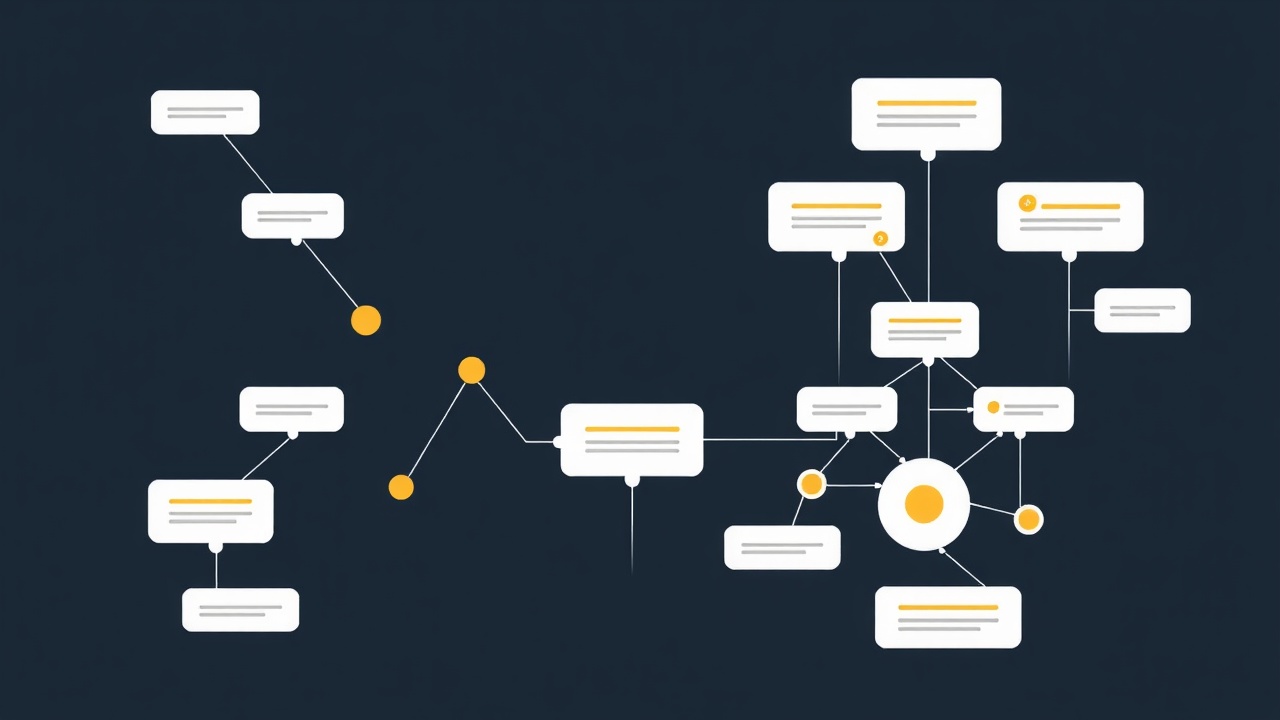
Design: You map out the conversation flows the chatbot needs to handle. For a dental office, this might include appointment requests, insurance questions, office hours, and emergency protocols. You're essentially scripting every possible conversation path.
Build: Using a no-code platform, you construct the chatbot. This involves creating conversation nodes, writing response messages, connecting to external tools (calendars, CRMs, payment systems), and training the AI on business-specific information.
Test: You run through dozens of conversation scenarios to catch edge cases where the bot might fail or give incorrect information.
Deploy: You embed the chatbot on the client's website, connect it to their Facebook Messenger or WhatsApp, and integrate it with their existing systems.
Maintain: You monitor conversations, improve responses based on real user interactions, and update the bot as the business changes.
The technology stack typically includes:
- A chatbot building platform (Botpress, Voiceflow, Chatbase, or ManyChat)
- An AI model connection (usually OpenAI's GPT or Anthropic's Claude via API)
- Integration tools (Zapier, Make, or native connectors)
- A knowledge base of client-specific information
Your value isn't in the technology itself—it's in knowing how to combine these tools effectively and communicate with non-technical business owners.
Step-by-step: how to start your chatbot agency
Step 1: Learn one platform deeply
Pick a single chatbot platform and master it before exploring others. Botpress is powerful and free to start. Voiceflow offers excellent enterprise features. ManyChat dominates Facebook/Instagram automation. Spend 20-30 hours building test bots, breaking them, and rebuilding them.
Don't try to learn everything. Specialize in one platform, one integration style, and one business type initially.
Step 2: Build three portfolio bots
Create demonstration chatbots for three different local business types—say, a restaurant, a law firm, and a home services company. These don't need real clients behind them. They need to show potential customers exactly what a chatbot could do for their business.
Make your demos interactive. Let prospects actually chat with them. A working example sells better than any slide deck.
Step 3: Establish your online presence
You need a simple website that positions you as a legitimate service provider. This doesn't require weeks of design work—Site Engine can generate a professional services site in under a minute that you can customize with your portfolio bots and service descriptions.
Your site needs: a clear service explanation, your demo bots, pricing guidance (even a range), and a contact method. Nothing more initially.
Step 4: Define your service packages
Create three tiers. A typical structure:
- Starter ($500-800 setup + $97/month): Basic lead capture bot, FAQ responses, appointment request forwarding
- Professional ($1,200-1,800 setup + $197/month): Full customer service bot, calendar integration, CRM connection, multi-channel deployment
- Enterprise ($2,500+ setup + $397/month): Custom integrations, advanced AI training, priority support, analytics dashboard
The monthly recurring revenue is crucial. One-time setup fees are nice, but monthly maintenance creates predictable income.
"The businesses that benefit most from chatbots are the ones drowning in repetitive questions—dental offices, law firms, HVAC companies. They're spending $20/hour on staff time to answer the same ten questions over and over. A $200/month chatbot looks like a bargain."
Step 5: Generate leads in your target niche
Cold outreach works, but warm leads convert better. Create a lead magnet that demonstrates your expertise—something like "7 Questions Your Website Should Answer Automatically" or "The Small Business Guide to AI Customer Service." Lead Magnet Engine can help you generate a professional PDF and landing page quickly, so you're capturing emails instead of just hoping visitors call.
Step 6: Perfect your sales conversation
When you sell chatbots to businesses, you're not selling technology—you're selling outcomes. Focus on:
- Hours saved per week
- Leads captured after hours
- Customer satisfaction improvements
- Reduced burden on staff
Ask questions first. "How many calls does your team handle daily? What questions do people ask most often? How many inquiries come in after hours?" Let the business owner describe their pain, then show how a chatbot addresses it.
Step 7: Deliver, document, and follow up
After launching a client's chatbot, schedule a 30-day check-in. Review conversation logs together. Show them metrics: conversations handled, leads captured, questions answered. This builds trust and often leads to referrals.
Document every process you develop. Templates for discovery calls, onboarding questionnaires, training documents—these become your operational backbone as you scale.
Step 8: Build retention through communication
Monthly recap emails showing chatbot performance keep clients engaged and justify ongoing fees. You can streamline this with Email Engine to create and send professional update emails without spending hours on each client communication. A five-minute monthly email can be the difference between a client who stays for years and one who cancels after three months.
Realistic earnings & timeline
| Timeline | Milestone | Monthly Revenue | Cumulative Clients |
|---|---|---|---|
| Month 1-2 | Learning, portfolio building | $0 | 0 |
| Month 3-4 | First 1-2 paying clients | $200-600 | 1-2 |
| Month 5-6 | Refined pitch, steady outreach | $800-1,500 | 3-5 |
| Month 7-9 | Referrals begin, systems mature | $2,000-4,000 | 6-10 |
| Month 10-12 | Full pipeline, considering subcontractors | $4,000-8,000 | 12-20 |
| Year 2 | Established agency, niche authority | $8,000-15,000+ | 25-40 |
These numbers assume 15-25 hours weekly. Part-time effort gets part-time results—expect roughly half these figures if you're working 8-10 hours weekly.
The key variable is sales ability. Technical skills create a floor (you can build functional bots), but sales skills determine your ceiling. Invest in learning consultative selling if client conversations don't come naturally.
Mistakes that kill beginners
Overcomplicating the first build: Your initial client bots should do three things well, not thirty things poorly. A chatbot that reliably captures leads and answers FAQs beats a buggy bot with appointment booking, payment processing, and CRM integration. Add complexity in phases.
Pricing based on time instead of value: A chatbot that saves a law firm 15 hours weekly is worth far more than the 10 hours you spent building it. Price based on client outcomes, not your effort. Beginners consistently underprice by 40-60%.
Neglecting the knowledge base: The AI behind your chatbot is only as good as the information you feed it. Rushing through client discovery leads to bots that give vague or incorrect answers. Spend twice as long gathering business information as you think necessary.
Ignoring ongoing optimization: Launching the bot isn't the end—it's the beginning. Conversation logs reveal where users get stuck, what questions you didn't anticipate, and how responses can improve. Clients who see continuous improvement stay; those who feel ignored cancel.
Targeting businesses with no budget: Sole proprietors and brand-new startups often can't afford monthly service fees. Focus on established businesses with employees, recurring revenue, and existing digital presence. A dentist with a $300,000 annual revenue can afford $200/month; a side-hustler cannot.
Frequently asked questions
How much can you charge for building an AI chatbot?
Most chatbot agencies charge between $500-$2,500 for initial setup plus $97-$497 monthly for maintenance and hosting. Enterprise clients may pay $5,000+ for complex implementations with custom integrations.
Do I need coding skills to build AI chatbots for businesses?
No. Modern no-code platforms like Botpress, Voiceflow, and ManyChat let you build sophisticated AI chatbots through visual interfaces. Basic technical comfort helps, but traditional programming isn't required.
What types of businesses need AI chatbots the most?
Service businesses with high inquiry volumes benefit most: dental offices, law firms, real estate agencies, HVAC companies, med spas, and e-commerce stores. Any business that answers repetitive questions is a good candidate.
How long does it take to build a chatbot for a client?
A basic lead-capture chatbot takes 2-4 hours. A full customer service bot with FAQ handling, appointment booking, and CRM integration typically requires 8-15 hours spread across discovery, building, and testing.
Is the AI chatbot business saturated in 2026?
Not for local businesses. While enterprise chatbot solutions are competitive, fewer than 15% of small businesses have implemented AI chatbots. The local market remains wide open for service providers who can explain value clearly.
The bottom line
Building an AI chatbot business in 2026 is legitimate, learnable, and genuinely profitable if you treat it like a real service business rather than a get-rich-quick scheme. The technology is accessible, the demand is real, and most local businesses still haven't figured out how to implement conversational AI on their own. Your job is to bridge that gap—and charge appropriately for doing so.
Get the AI tools to do all of this — free
Create a free Elite Engines account and get 5 AI money-making engines instantly. No credit card.