
Quick Summary
Starting a paid community in 2026 is one of the most reliable ways for creators to build recurring community revenue without constantly launching new products. The model works because you're selling ongoing access, accountability, and connection—not just information. This guide walks you through the exact steps to turn your existing audience into a monthly-paying community, including the offer structure, platform choice, and realistic revenue expectations for your first year.
Can you really make money with this in 2026?
As of early 2026, paid communities have matured from a trend into a proven business model. The creator economy research firm Kajabi reported that community-based memberships saw 34% higher retention rates than course-only products in 2025, and that gap is widening.
Here's what's changed: audiences are exhausted by endless free content and one-off course purchases that collect dust. They want curated spaces, direct access, and peer connection. That shift benefits creators who start a paid community rather than competing in the increasingly crowded course market.
The numbers support this. A creator with 5,000 email subscribers converting 2% to a $49/month community generates $4,900 in monthly recurring revenue. That's real money, and it compounds. Unlike launch-based income that spikes and crashes, a community business model builds steady, predictable cash flow.
Platforms have also caught up. In 2026, you don't need to duct-tape five different tools together. Integrated paid community platform options like Circle, Skool, and Mighty Networks handle payments, content, discussions, and member management in one place. The technical barriers that stopped creators three years ago are largely gone.
The opportunity is real—but it requires getting the offer and execution right.
How a paid community actually works
A paid community generates money through membership fees—monthly, annual, or both. Members pay for ongoing access to a private space where they get some combination of:
- Your expertise through live calls, Q&As, or feedback
- A content library of trainings, templates, or resources
- Peer connection with others on a similar journey
- Accountability through challenges, check-ins, or progress tracking
The magic of recurring community revenue is the math. You're not starting from zero each month. If you have 100 members paying $49/month and retain 90% month-over-month, you have a baseline of $4,410 before you do any new marketing. That's the compounding effect course creators don't get.
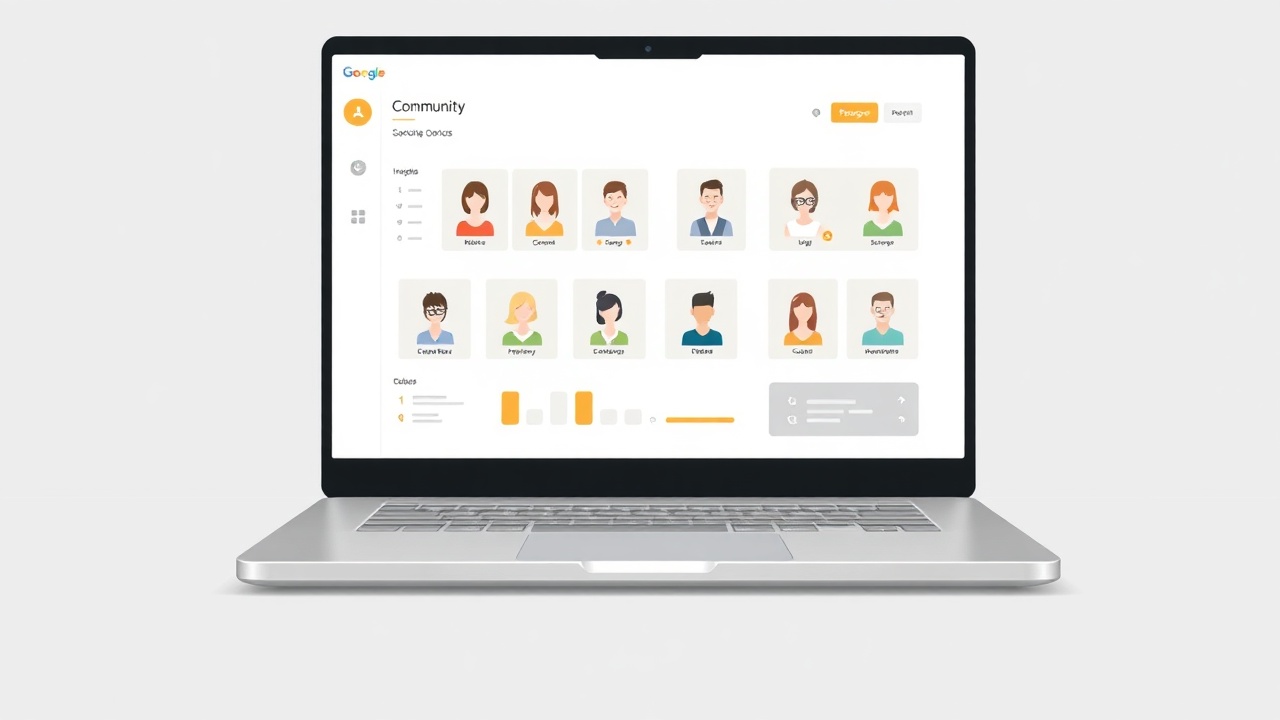
The community business model works best when it solves an ongoing problem or supports a continuous journey. Fitness, business growth, creative skills, career advancement, parenting—these have no finish line. Members stick around because the need doesn't disappear after one course.
Your role shifts from content creator to community facilitator. You're still creating, but you're also connecting members, sparking discussions, and maintaining the culture. Many successful community owners spend 5-10 hours per week on active facilitation once the community is running.
Step-by-step: how to start a paid community
Step 1: Identify your community's core transformation
Before picking platforms or prices, get specific about what members will achieve. Vague communities die fast. "A community for entrepreneurs" means nothing. "A community where solopreneurs land their first three retainer clients" means everything.
Write down:
- The specific person you're serving
- The problem they're stuck on right now
- The outcome they'll reach inside your community
- Why they need ongoing support (not just a one-time course)
This clarity shapes your entire offer.
Step 2: Structure your offer
A compelling paid community offer has three layers:
Access layer: What can members always access? This might include a resource library, template vault, or recorded trainings. Think of this as the "always-on" value.
Live layer: What happens regularly? Weekly calls, monthly masterminds, live co-working sessions, or expert interviews. This creates urgency and real-time connection.
Community layer: How do members interact? Discussion threads, accountability pods, member directories, or private messaging. This is what makes it a community instead of just a membership.
Map out your offer across all three layers before moving forward.
Step 3: Create your founding member pitch
You need a clear, compelling explanation of your community. This isn't a sales page yet—it's the language you'll use in emails, social posts, and DMs when inviting your first members.
Cover these points:
- Who it's for (and who it's not for)
- The main problem it solves
- What's included (be specific)
- The price and what it covers
- Why you're the right person to lead this
If you need a simple landing page to collect interest or take payments, Site Engine can generate a clean sales page in under a minute. For a founding member launch, you don't need anything fancy—just clarity.
Step 4: Choose your paid community platform
Your platform choice matters, but not as much as your offer. Here's the 2026 landscape:
Circle ($89-$399/month): Best for creators who want professional design control and robust community features. Handles courses, events, and discussions well.
Skool ($99/month flat): Simpler interface with built-in gamification. Popular with coaches and course creators. Lower learning curve.
Mighty Networks ($41-$360/month): Strong for course-heavy communities. Good mobile app. More of a learning platform with community features.
Discord + payment tool: Free to start, but requires more setup. Works for gaming, tech, or younger audiences comfortable with Discord.
Pick one and move forward. You can always migrate later, and most creators overthink this step.
Step 5: Build your content foundation
Before opening doors, create the minimum content members need on day one:
- A welcome guide explaining how to get value from the community
- 3-5 foundational resources (templates, trainings, or guides)
- Your community guidelines and culture expectations
- A schedule of upcoming live events
The biggest mistake new community owners make is launching empty. Members who join and see nothing leave immediately—and they don't come back.
You don't need a massive content library, but you need enough that new members feel the value on day one.
Step 6: Launch to your existing audience first
Don't try to grow and launch simultaneously. Your first 20-50 members should come from people who already know, like, and trust you.
Write a launch email sequence (3-5 emails) that:
- Introduces the problem you're solving
- Shares why you're building this community
- Explains what's included and who it's for
- Opens enrollment with a founding member incentive
- Sends a final reminder before founding pricing ends
Email Engine can help you write this sequence quickly if you're staring at a blank page. The key is warm, direct language—not hype.

Founder pricing (a discount for your first members) works well because it rewards early believers and creates urgency. Just be clear that the price will increase for future members.
Step 7: Onboard members intentionally
The first 7 days determine whether a member stays for years or cancels in month two. Create an onboarding sequence:
- Day 1: Welcome email + intro post prompt. Get them to introduce themselves immediately.
- Day 2: Point them to the single most valuable resource in your library.
- Day 3: Invite them to the next live call.
- Day 5: Check in via DM or community thread. Ask if they have questions.
- Day 7: Celebrate their first small win.
This doesn't need to be automated—for your first 50 members, do it manually. You'll learn what works.
Step 8: Build a growth engine for ongoing members
Once you have 30-50 happy members, build sustainable acquisition:
- Free lead magnet: Create a free resource that attracts your ideal community members. Lead Magnet Engine can generate a PDF guide and landing page instantly. Use it to build an email list of people who aren't ready to pay yet.
- Weekly content: Publish one free piece weekly that demonstrates your expertise and points to the paid community.
- Member referrals: Offer existing members an incentive to invite others. Affiliate commissions or free months both work.
Growth should be steady, not explosive. Adding 10-20 members per month while maintaining 90%+ retention is the path to sustainable recurring community revenue.
Realistic earnings & timeline
Here's what to expect based on audience size and conversion rates:
| Audience Size | Conversion Rate | Members | Monthly Price | Monthly Revenue |
|---|---|---|---|---|
| 1,000 email subscribers | 3% | 30 | $39 | $1,170 |
| 2,500 email subscribers | 3% | 75 | $49 | $3,675 |
| 5,000 email subscribers | 2.5% | 125 | $49 | $6,125 |
| 10,000 email subscribers | 2% | 200 | $59 | $11,800 |
| 25,000 email subscribers | 1.5% | 375 | $79 | $29,625 |
Timeline expectations:
- Month 1-2: Launch and onboard founding members (20-50 members)
- Month 3-6: Refine offer based on feedback, steady growth (50-100 members)
- Month 6-12: Systemize operations, scale marketing (100-200+ members)
- Year 2+: Community becomes primary income, potential for team support
Most creators reach $3,000-5,000/month in recurring revenue within 6-9 months of consistent effort. The compounding effect kicks in around month 8-12 when retention math starts working in your favor.
Mistakes that kill beginners
1. Launching without enough content
Members who join an empty community churn immediately. Have at least a welcome guide, 3-5 resources, and your first live event scheduled before you open doors.
2. Pricing too low
A $9/month community attracts people who don't show up. Price signals commitment. Communities priced $39-79/month consistently outperform cheaper alternatives in retention and member engagement.
3. Ignoring the first-week experience
If new members don't take action in week one, they're gone. Onboarding is not optional—it's where retention is won or lost.
4. Trying to do everything yourself forever
Managing 100+ members while creating content and facilitating discussions burns you out. Plan to hire help (even a part-time community manager) once you hit 75-100 members.
5. Neglecting member-to-member connection
If every interaction runs through you, it's not a community—it's group coaching. Facilitate introductions, create peer accountability pods, and design spaces where members help each other.
Frequently asked questions
How much should I charge for a paid community?
Most successful communities charge between $19 and $99 per month. Start at $29-49/month if you're offering weekly live content and active engagement. Premium communities with intensive coaching or mastermind elements can charge $200-500/month. Price based on the transformation you deliver, not the hours you spend.
What platform is best for hosting a paid community in 2026?
Circle, Skool, and Mighty Networks lead the market in 2026. Circle offers the most flexibility and professional feel. Skool is simpler with built-in gamification. Mighty Networks works well for course-heavy communities. Choose based on your technical comfort level and how much course content you plan to include.
How many followers do I need before starting a paid community?
You can start a paid community with as few as 1,000 engaged followers. The key metric is engagement, not follower count. If 50-100 people consistently comment, reply, or DM you, that's enough to launch with 10-30 founding members. Quality of audience matters far more than quantity.
What's the difference between a paid community and a membership site?
A membership site typically focuses on content access—courses, libraries, templates. A paid community centers on interaction, discussion, and connection between members. Most successful community business models in 2026 blend both: a content library plus active community spaces. The community element drives retention.
How do I keep members from canceling after the first month?
Retention comes from three things: quick wins in the first week, ongoing engagement through live events or challenges, and member-to-member connections. Communities with 70%+ annual retention typically host weekly live calls, facilitate introductions between members, and celebrate member wins publicly.
The bottom line
If you have an audience and expertise worth sharing, a paid community is the most sustainable way to monetize both in 2026. The model rewards consistency over hustle, depth over breadth, and real relationships over vanity metrics. Start small, serve your founding members obsessively well, and let the compounding math of recurring revenue do its work.
Get the AI tools to do all of this — free
Create a free Elite Engines account and get 5 AI money-making engines instantly. No credit card.