Quick Summary
Facebook groups remain one of the most underrated assets for online entrepreneurs in 2026. By building an engaged community around a specific topic, you can monetize through digital products, brand sponsorships, and paid membership tiers. This guide walks you through the exact steps to grow a Facebook group business from zero to consistent revenue—without burning out or alienating your members.
Can you really make money with this in 2026?
As of early 2026, Facebook groups continue to outperform most social platforms for community-driven monetization. While TikTok and Instagram chase algorithm-dependent reach, Facebook groups offer something rare: owned attention. Your posts actually reach your members without paying for ads.
The numbers back this up. Meta's Q4 2025 earnings report showed group engagement up 23% year-over-year, with over 1.8 billion people actively participating in groups monthly. More importantly for entrepreneurs, Facebook's built-in subscription tools processed over $400 million in group membership payments last year.
Here's what makes 2026 particularly interesting: the gold rush mentality has faded. The low-effort groups that spammed affiliate links in 2020 have mostly died off. What remains—and what thrives—are genuine communities with real value. That's good news if you're willing to do the work.
Can you realistically make money with a Facebook group? Yes. Group owners in focused niches regularly earn $2,000-$10,000+ monthly through a combination of products, sponsors, and paid tiers. The catch? It requires consistent effort for 6-12 months before meaningful revenue kicks in.
How making money with a Facebook group actually works
The mechanics are straightforward once you understand the funnel.
You build a free group around a specific topic—something you know well, something people actively search for solutions to. Parenting toddlers with ADHD. Local real estate investing. Shopify store optimization. The more specific, the better.
As the group grows, you become the trusted expert at the center. Members see your helpful posts, your thoughtful responses, your curated resources. Trust accumulates like compound interest.

That trust converts into revenue through three primary channels:
Digital products — Courses, templates, ebooks, and workshops that solve specific problems your members face. You've already validated demand by seeing what questions come up repeatedly.
Sponsorships — Brands pay to access your audience through dedicated posts, pinned recommendations, or exclusive offers. A 5,000-member group in the right niche can command $500-$2,000 per sponsored post.
Paid membership — A premium tier (either within Facebook or on an external platform) where members pay monthly for exclusive content, direct access to you, or advanced resources.
Most successful group owners combine all three, with digital products typically generating 50-60% of revenue, sponsorships 20-30%, and paid membership 15-25%.
Step-by-step: how to start
1. Choose a profitable niche (not just a popular one)
The biggest mistake is picking a topic that's too broad or too passion-driven without commercial intent. "Dog lovers" is too wide. "Training rescue dogs with anxiety" is focused and monetizable.
Look for niches where:
- People actively spend money solving problems
- You have genuine expertise or experience
- Competition exists (that proves demand) but isn't overwhelming
- Members have a shared identity, not just a shared interest
Spend a week researching existing groups in your space. Join them. Note what members complain about, what questions repeat endlessly, what resources they wish existed. This research shapes everything that follows.
2. Set up your group for growth
Create your group with a clear, keyword-rich name. "Shopify Store Owners | Growth Strategies & Support" beats "Sarah's Shopify Tips." The name should tell visitors exactly who the group is for and what they'll get.
Write membership questions that filter for quality. Ask what members hope to get from the group, what their biggest challenge is, and whether they'd like to receive your free resources. That last question is crucial—it gives you permission to build your email list from day one.
Set clear rules focused on value, not restriction. Ban self-promotion spam but encourage members to share wins and ask questions. Pin a welcome post that explains what makes this group different.
3. Create a lead magnet that builds your email list
Your Facebook group is rented land. Meta can change algorithms, restrict reach, or ban accounts. Your email list is insurance—and your highest-converting sales channel.
Create a free resource that solves one specific problem your members face. A checklist, template, or short guide works better than a lengthy ebook nobody finishes. The Lead Magnet Engine can generate a professional PDF and landing page in minutes, which removes the typical weeks of design work that stops most group owners from ever building their list.
Mention this free resource in your welcome post, in your pinned post, and occasionally in valuable discussion threads. Aim to move 20-30% of group members onto your email list within their first month.
4. Establish a content rhythm that builds authority
Consistency beats intensity. Three valuable posts per week for a year outperforms daily posting for two months followed by burnout.
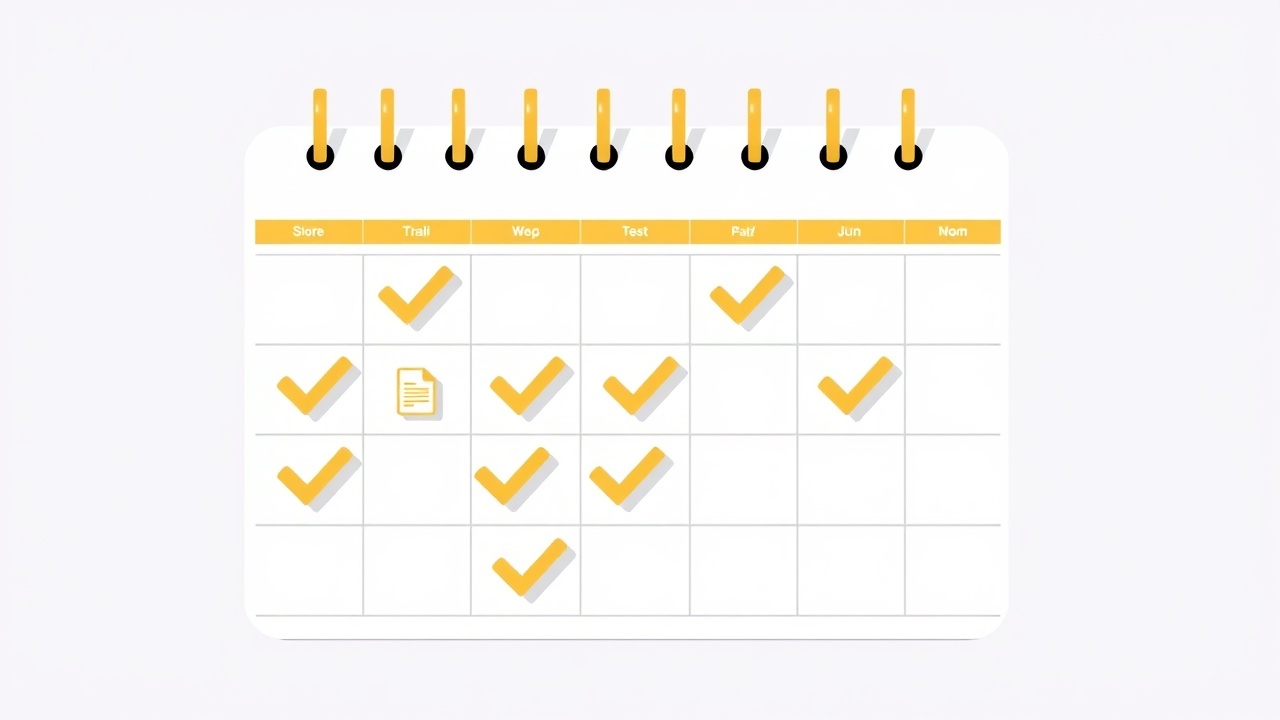
Create a weekly content calendar:
- Monday: Educational post (how-to, tip, or strategy)
- Wednesday: Engagement post (question, poll, or discussion prompt)
- Friday: Resource or win celebration (member spotlight, useful tool, or weekend reading)
The educational posts do the heavy lifting for authority. These should be genuinely useful—the kind of content people screenshot and save.
The groups that make real money aren't built on hype. They're built on being so consistently helpful that members feel guilty not buying from you.
Writing three quality posts weekly adds up. When you're managing a community while building products, the content creation time crunch gets real. The Content Engine can draft long-form educational posts you can adapt for the group, cutting production time significantly while maintaining quality.
5. Grow strategically to reach critical mass
A group under 500 members feels dead. Your first goal is reaching that threshold where organic conversations happen without your constant involvement.
To grow your Facebook group quickly:
- Cross-promote in related (non-competing) groups where allowed
- Share group content on your personal profile and business page
- Mention the group in podcast appearances, guest posts, and collaborations
- Run occasional Facebook ads targeting your ideal member profile ($5-10/day works)
- Ask members to invite one friend who'd benefit
Growth should accelerate once you hit 500 members. Facebook's algorithm favors active groups, suggesting them to users interested in your topic.
6. Monetize with your first digital product
Once you have 500+ engaged members, you've collected enough data to know exactly what to sell. Look through your saved posts, your DMs, your membership questions. What problem comes up constantly?
Create a product that solves that problem faster, easier, or more completely than your free content does. A mini-course ($47-$197) converts better than a flagship course for your first offer. Lower risk for buyers, faster creation for you.
Launch to your group first—they're your warmest audience. Then use your email list for the full promotional sequence. The Email Engine helps you write launch sequences that convert without sounding salesy, which matters when you're selling to a community that trusts you.
7. Add sponsorships once you hit 2,000+ members
Brands care about engaged audiences, not just large ones. A 2,000-member group with 30% weekly engagement is worth more than a 20,000-member ghost town.
Create a simple media kit showing:
- Member count and growth rate
- Engagement metrics (comments per post, active members weekly)
- Audience demographics and interests
- Sponsorship options with pricing
Reach out to brands your members already use and mention. Pitch specific collaboration ideas, not generic "partnership opportunities." Start with $200-500 per sponsored post and increase as demand grows.
8. Launch a paid tier for recurring revenue
After 6-12 months of free value, your most engaged members will happily pay for more. A paid community tier ($19-$97/month) offers:
- Exclusive weekly content or trainings
- Direct access to you (office hours, Q&A threads)
- Private community within the community
- Early access to products and resources
Even converting 2% of a 3,000-member free group into $47/month paid members generates $2,820 in monthly recurring revenue. That's the power of the Facebook group business model: your free group becomes a perpetual lead generation engine for your paid tier.
Realistic earnings & timeline
| Stage | Timeline | Members | Expected Monthly Revenue |
|---|---|---|---|
| Launch & Growth | Months 1-3 | 0-500 | $0 |
| First Product | Months 4-6 | 500-1,500 | $200-$800 |
| Sponsorships Added | Months 7-9 | 1,500-3,000 | $800-$2,500 |
| Paid Tier Launch | Months 10-12 | 3,000-5,000 | $2,500-$5,000 |
| Mature Group | Year 2+ | 5,000-15,000 | $5,000-$15,000+ |
These numbers assume consistent effort: 5-10 hours weekly on content, engagement, and product development. Faster growth is possible with more time investment or existing audiences. Slower growth happens when you post inconsistently or skip the email list building.
Mistakes that kill beginners
Starting too broad, then struggling to monetize. A "small business tips" group attracts everyone and converts no one. A "Etsy shop owners scaling past $10k/month" group attracts buyers. Specificity is the shortcut to revenue.
Treating the group as a sales channel instead of a community. The moment members feel like prospects instead of people, engagement dies. Follow the 80/20 rule: 80% pure value, 20% promotion maximum.
Ignoring email list building until it's too late. Every day without an email capture strategy is subscribers you'll never recover. Start collecting emails from day one, even if your list is small.
Burning out on content creation. Daily posting sounds ambitious until week three. Build sustainable systems—batch content, repurpose your best posts, use tools that reduce production time. Consistency over intensity, always.
Waiting too long to monetize. Some group owners spend two years "building trust" while earning nothing. If you've provided genuine value for 3-4 months and have 500+ members, you've earned the right to sell something. Your audience wants to support you—let them.
Frequently asked questions
How many members do you need to monetize a Facebook group?
You can start monetizing with as few as 500 highly engaged members through digital products or affiliate offers. For sponsorships, most brands look for groups with 2,000-5,000+ active members, though engagement rate matters more than raw numbers.
Is it against Facebook rules to make money from a group?
No, Facebook allows group monetization as long as you follow their Commerce Policies and Community Standards. You cannot sell prohibited items, and paid membership groups must use Facebook's subscription feature or clearly disclose external payment arrangements.
What type of Facebook group makes the most money?
Groups in B2B niches, professional development, and high-intent hobbies like investing, real estate, or specialized skills typically earn the most. These audiences have both disposable income and urgent problems they'll pay to solve.
How long does it take to make money from a Facebook group?
Most group owners see their first revenue between 3-6 months after launch, assuming consistent posting and engagement. Reaching $1,000+ monthly typically takes 6-12 months of focused effort and at least 1,000 engaged members.
Should I start a free or paid Facebook group?
Start with a free group to build trust and prove your value. Once you have 500+ engaged members and understand their needs, you can launch a paid tier or separate paid community for premium access and deeper support.
The bottom line
The opportunity to make money with a Facebook group in 2026 is real, but it rewards patience and genuine value over quick tactics. Build the community first, understand your members deeply, then monetize in ways that serve them. Do that consistently for a year, and you'll have an asset that generates revenue for years to come.
Get the AI tools to do all of this — free
Create a free Elite Engines account and get 5 AI money-making engines instantly. No credit card.