
Quick Summary
Teaching English online remains one of the most accessible remote income streams in 2026, open to native and fluent speakers with or without a traditional degree. You can start on established platforms within days or build an independent tutoring business for higher hourly rates. This guide covers exactly how to get hired, which platforms actually pay well, and how to fill your teaching schedule consistently.
Can you really make money with this in 2026?
As of early 2026, the global online English tutoring market continues to grow, driven by demand from South America, Asia, and the Middle East. The post-pandemic shift to remote learning is now permanent—millions of students prefer online lessons for convenience, cost, and flexibility.
The honest truth: you won't get rich overnight, but you can absolutely build a sustainable income. Platform tutors typically earn $15-25 per hour after gaining some traction. Independent tutors who build their own client base often hit $35-50 per hour. Full-time tutors working 25-30 hours weekly report $2,500-5,000 per month, depending on their positioning and student retention.
The market has matured. Competition is real, especially at entry level. But qualified tutors who treat this as a business—not a casual side gig—still find plenty of students. The key differentiator in 2026 isn't just being a native speaker; it's having a professional setup, a niche focus, and systems to keep students coming back.
How teaching English online actually works
The mechanics are straightforward. You connect with students via video call (Zoom, Skype, or a platform's built-in system), conduct lessons in real time, and get paid per session or per hour.

There are two main paths:
Platform-based teaching: You create a profile on sites like Preply, Cambly, italki, or Engoo. The platform handles student acquisition, scheduling, payments, and often provides curriculum. You teach, they take a commission (typically 15-33%), and you receive the rest. This is the fastest way to start but offers less control over pricing.
Independent teaching: You find your own students through marketing, social media, referrals, or your own website. You set your rates, keep 100% of payments (minus payment processing fees), and build direct relationships. This requires more upfront work but offers significantly higher earning potential.
Most successful online English tutors in 2026 use a hybrid approach: they start on platforms to build experience and reviews, then gradually transition students to private arrangements or attract new clients independently.
Lesson formats vary widely. Some tutors specialize in conversation practice (low prep, high volume). Others focus on exam preparation (IELTS, TOEFL), business English, or accent reduction—niches that command premium rates. The format you choose affects both your hourly rate and how many hours you can realistically teach per week.
Step-by-step: how to start
1. Get certified (even if it's optional)
You can teach english online no degree on many platforms. However, a TEFL (Teaching English as a Foreign Language) certificate dramatically improves your hiring chances and justifies higher rates.
Online TEFL courses range from $19 to $500. For most tutors, a $50-150 course from a recognized provider (like International TEFL Academy, TEFL.org, or Premier TEFL) is sufficient. Look for courses offering at least 120 hours of instruction—this is the standard most platforms and employers recognize.
Completion time: 2-6 weeks for self-paced courses.
2. Set up your teaching space
Students judge professionalism instantly. Your setup matters more than your accent.
- Camera: Your laptop's built-in webcam works, but a 1080p external webcam ($40-80) makes a noticeable difference.
- Audio: A USB headset with a noise-canceling microphone ($30-60) is essential. Poor audio kills lessons.
- Lighting: Face a window for natural light, or invest in a ring light ($20-40).
- Background: Clean, neutral, and distraction-free. A plain wall or simple bookshelf works.
- Internet: Minimum 10 Mbps upload speed. Wired connections beat WiFi for reliability.
Total investment: $100-200 for a professional setup.
3. Choose your platform(s)
For ESL teaching jobs, the best platforms in 2026 are:
| Platform | Pay Range | Requirements | Best For |
|---|---|---|---|
| Preply | $15-50/hr | No degree required, TEFL preferred | Flexible scheduling, beginners |
| Cambly | $10.20/hr (fixed) | Native speaker only | Casual conversation, minimal prep |
| italki | $10-80/hr (you set) | No formal requirements | Building a client base |
| Engoo/Bibo | $10-18/hr | Varies by region | Structured lessons, consistent hours |
| Verbling | $15-70/hr (you set) | Background check | Professional positioning |
Apply to 2-3 platforms simultaneously. Each has different approval timelines (24 hours to 2 weeks). Cast a wide net, then focus on whichever platform sends you the most bookings.
4. Optimize your tutor profile
Your profile is your storefront. On every platform, you'll need:
- Professional photo: Smiling, well-lit, appropriate attire.
- Introduction video: 1-2 minutes showing your personality and teaching style. This is often the deciding factor for students.
- Detailed bio: Highlight your experience, teaching approach, and the specific results you help students achieve.
- Availability: The more hours you mark available, the more visibility you get initially.
"The tutors who fill their schedules fastest aren't necessarily the most qualified—they're the ones who present themselves most professionally and respond to inquiries within hours, not days."
5. Price strategically for your first 30 days
New tutors face a cold-start problem: no reviews means no trust. Solve this by pricing 20-30% below your target rate for your first month. Your goal is accumulating 10-15 positive reviews as quickly as possible.
Once you have social proof, raise your rates gradually—$2-3 every few weeks until you find your market rate. On platforms like Preply and italki, you can also offer discounted trial lessons to convert browsers into paying students.
6. Build an independent presence (the long game)
Platform commissions eat into your earnings permanently. The real money in online tutoring comes from building your own student base.
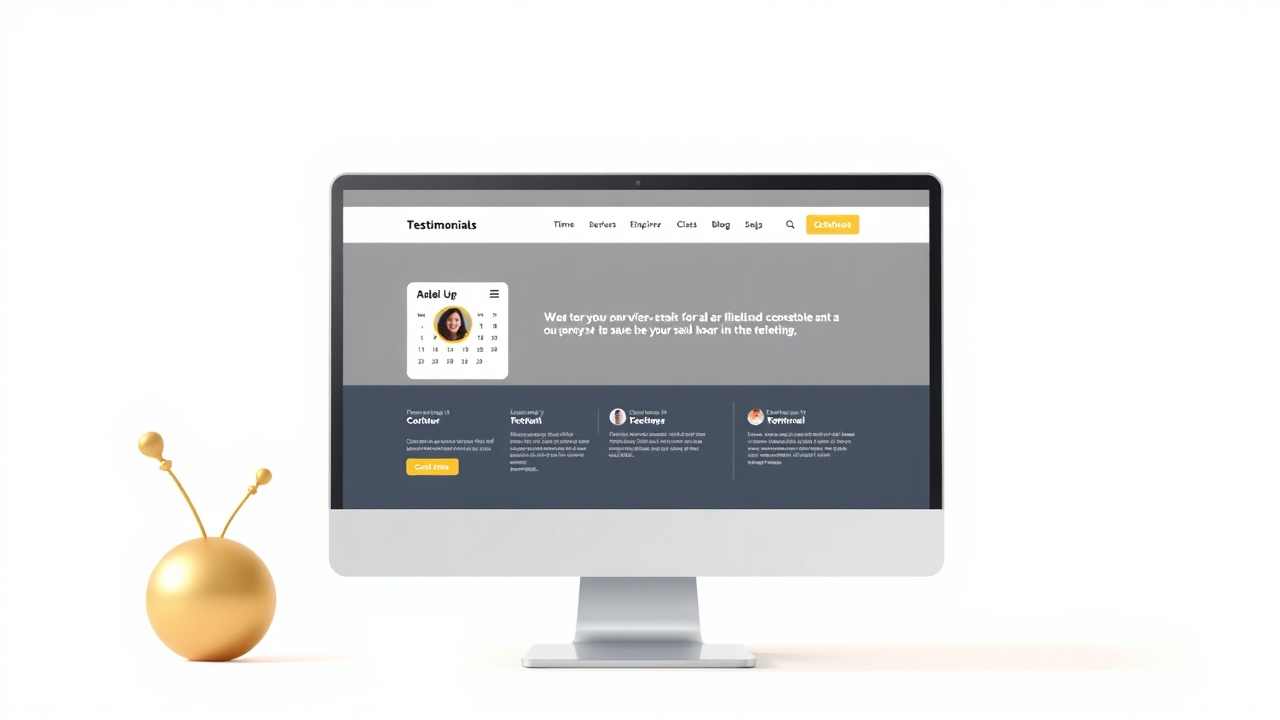
Start with a simple website that showcases your services, credentials, and testimonials. You don't need to spend weeks on this—Site Engine can generate a professional tutoring site in under a minute, complete with service pages and a structure that makes you look established from day one.
Next, create a lead magnet to capture potential students' emails. Something like "10 Most Common English Mistakes (And How to Fix Them)" or "IELTS Speaking: 25 High-Score Phrases" works perfectly. Lead Magnet Engine builds these PDF resources plus a landing page automatically—what used to take a weekend now takes minutes.
Promote your lead magnet in language learning communities, Reddit threads (r/languagelearning, r/ESL), Facebook groups for expats, and LinkedIn. Every email you capture is a potential student you don't have to pay a platform commission on.
7. Fill your schedule with retention and referrals
The tutors earning $4,000+ monthly aren't constantly chasing new students—they have systems that keep existing students booking and referring others.
- Package deals: Offer 10-lesson packages at a 10-15% discount. This locks in recurring revenue.
- Progress tracking: Send students monthly progress reports. This justifies continued lessons.
- Referral incentives: Offer one free lesson for every successful referral.
- Email follow-ups: When students go quiet, a friendly check-in email often reactivates them. Email Engine can help you craft and send these re-engagement sequences efficiently.
The best online english tutor businesses run on systems, not constant hustle.
Realistic earnings & timeline
Here's what to actually expect:
| Stage | Timeline | Hours/Week | Hourly Rate | Monthly Earnings |
|---|---|---|---|---|
| Complete beginner | Month 1-2 | 5-10 | $10-15 | $200-600 |
| Building reviews | Month 3-6 | 10-20 | $15-22 | $600-1,800 |
| Established tutor | Month 6-12 | 20-25 | $22-35 | $1,800-3,500 |
| Premium/Independent | Year 2+ | 25-30 | $35-60 | $3,500-7,000 |
Key variables that affect your trajectory:
- Niche: Business English and exam prep (IELTS/TOEFL) command 30-50% higher rates than general conversation.
- Timezone: Tutors available during Asian or South American evening hours (often early morning in the US) get more bookings.
- Retention: Keeping students for 6+ months matters more than constantly acquiring new ones.
- Independence ratio: Every student you serve directly instead of through a platform adds 20-33% to your effective hourly rate.
Realistic expectation: most committed tutors reach $2,000/month within 6-9 months. Those who build independent systems and premium positioning can double that in year two.
Mistakes that kill beginners
1. Underpricing permanently. Starting low to build reviews is smart. Staying low because you're afraid to raise rates keeps you stuck. Increase prices every 6-8 weeks until bookings slow, then hold.
2. Treating every student identically. A business professional preparing for presentations needs different lessons than a teenager prepping for university exams. Tailor your approach, or you'll lose students to tutors who do.
3. Ignoring the business side. Teaching is only half the job. If you don't track income, manage your schedule efficiently, and market yourself, you'll stay at the mercy of platform algorithms.
4. Burning out on volume. Teaching 8 hours straight is exhausting and unsustainable. Cap your daily teaching hours at 5-6, and build buffer time between sessions.
5. Neglecting your online presence. In 2026, students Google potential tutors before booking. If they find nothing—or worse, an unprofessional social media presence—they'll book someone else. Maintain at least a basic professional website and LinkedIn profile.
Frequently asked questions
Can you teach English online without a degree?
Yes. Many platforms and private students don't require a degree. A TEFL certificate (often under $50) plus native fluency is enough to start on platforms like Preply, Cambly, and italki. Going independent has no formal requirements at all.
How much can you realistically earn teaching English online?
Beginners on platforms typically earn $10-18 per hour. Experienced tutors on premium platforms or with private students earn $25-50+ per hour. Full-time independent tutors with a packed schedule can reach $4,000-6,000 per month.
What equipment do I need to teach English online?
You need a computer with a working webcam, a stable internet connection (at least 10 Mbps upload), a quality headset with microphone, and good lighting. A neutral, professional background helps too. Total startup cost is usually under $150.
Which platforms are best for online English tutors in 2026?
The top platforms are Preply (flexible, good for beginners), Cambly (casual conversation practice, no prep), italki (large student base), and Engoo/Bibo (structured curriculum provided). Each has different pay rates and requirements.
How do I get students as an independent online English tutor?
Build a simple website showcasing your services, create a free resource (like a PDF guide) to capture emails, and market through social media, language exchange communities, and local expat groups. Referrals from satisfied students become your best source over time.
The bottom line
Teaching English online in 2026 is a legitimate income path for anyone with fluency, patience, and willingness to treat it professionally. Start on platforms to build credibility fast, then systematically build your independent presence for higher rates and real ownership of your business. The tutors earning $4,000+ monthly aren't necessarily better teachers—they're better at running a teaching business.
Get the AI tools to do all of this — free
Create a free Elite Engines account and get 5 AI money-making engines instantly. No credit card.