
Quick Summary
Selling printables on Etsy remains one of the lowest-barrier entry points for online income in 2026. You create a digital file once—a planner, checklist, or wall art—and sell unlimited copies without inventory or shipping. This guide covers what actually sells, how to create professional designs using AI tools, and the realistic timeline to your first $500 month. If you have a laptop and a few hours weekly, you can build a printable shop that generates Etsy passive income for years.
Can you really make money with this in 2026?
As of early 2026, the answer is a clear yes—but with caveats worth understanding before you invest time.
Etsy surpassed 95 million active buyers at the end of 2025, and digital downloads Etsy shops now represent one of the platform's fastest-growing categories. The appeal is obvious: buyers get instant delivery, and sellers eliminate shipping headaches entirely. According to eRank data from Q4 2025, the "printables" search term generates over 1.2 million monthly searches on Etsy, with subcategories like "budget planner printable" and "wedding invitation template" each exceeding 200,000 monthly searches.
Here's the honest reality: competition has increased significantly since 2022. The shops making real money today aren't uploading generic planners and hoping for sales. They're picking specific niches, optimizing aggressively for Etsy SEO, and using AI tools to produce volume without sacrificing quality.
The mathematics still work in your favor. With zero inventory costs, no shipping, and margins of 85-90% after Etsy fees, a single $5 printable purchased 200 times generates roughly $900 in profit. Build a catalog of 50-100 targeted printables, and you've created a legitimate income stream. Sellers in specialized niches report averaging $2,000-$8,000 monthly with mature shops.
How selling printables on Etsy actually works
The mechanics are simpler than most online business models, which is precisely why printables attract beginners.
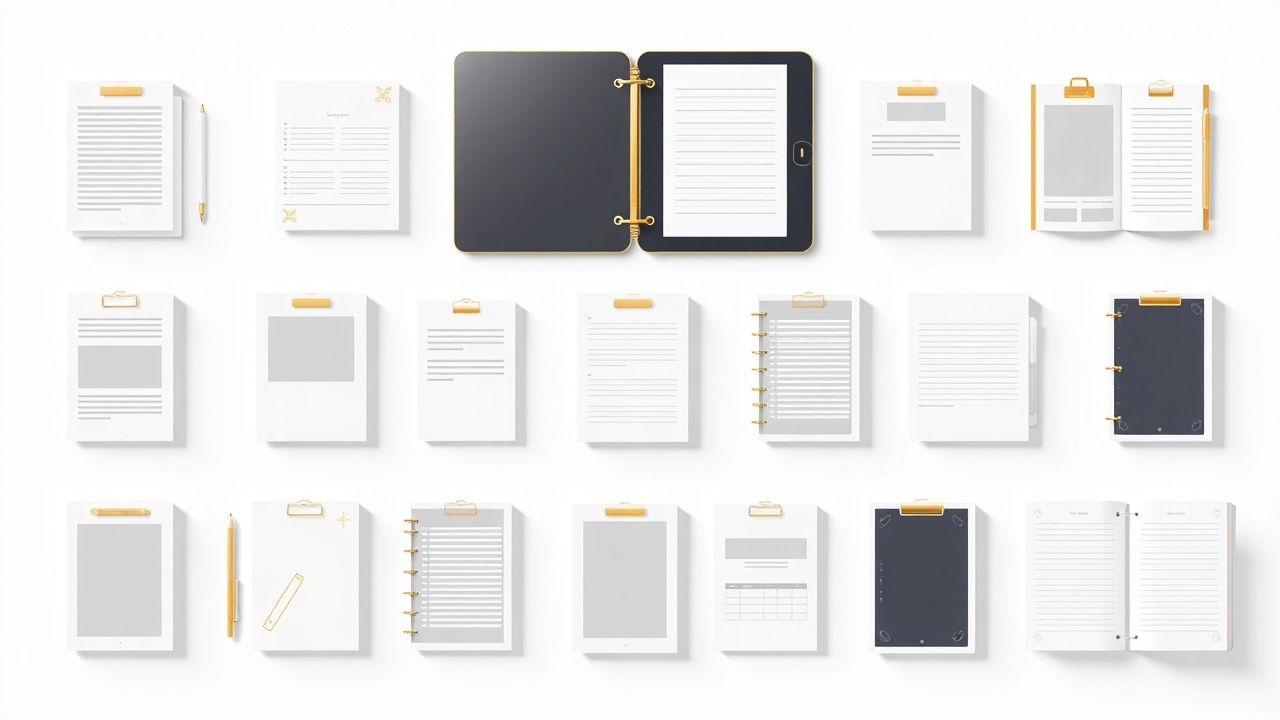
You create a digital file—typically a PDF, but sometimes PNG or JPEG for wall art. This could be a weekly meal planner, a set of wedding invitation templates, a bundle of Instagram story backgrounds, or a children's activity worksheet. You design it once.
Next, you list it on Etsy with optimized titles, tags, and descriptions. Buyers find your listing through Etsy search, purchase it, and instantly download the file. Etsy handles payment processing and delivers the download automatically. You receive the money (minus fees) in your linked bank account.
The "passive" part comes from multiplication. Unlike selling physical products, you don't run out of stock. One well-optimized printable can sell hundreds of times without additional work. Create 50 printables, and you have 50 potential income streams running simultaneously.
Etsy charges $0.20 per listing (renewed every four months or upon sale), a 6.5% transaction fee, and payment processing of approximately 3% plus $0.25. On a $5 printable, you keep roughly $4.25-$4.40 after all fees.
The real work happens upfront: researching what buyers actually want, creating quality designs, writing SEO-optimized listings, and building enough volume that Etsy's algorithm takes notice.
Step-by-step: how to start
Step 1: Choose a profitable niche (not just a category)
Most beginners fail because they think too broadly. "Planners" isn't a niche—"budget planners for single moms" is. "Wall art" isn't a niche—"minimalist Bible verse prints for nurseries" is.
Use Etsy's search bar to research. Type a broad term and examine the autocomplete suggestions—these reveal actual buyer searches. Look at top-selling shops in your interest area using tools like eRank or Alura. Note what's working: which specific products have thousands of reviews?
Strong niches share three characteristics: recurring demand (weddings happen constantly), emotional motivation (brides want their day perfect), and specific enough to rank ("boho wedding invitation suite" beats "wedding invitations").
Step 2: Validate demand before designing
Before creating anything, confirm people are buying. Search your exact product idea on Etsy. Filter by "Star Seller" and examine review counts on similar products. A listing with 500+ reviews proves demand exists. Multiple competing listings with strong reviews indicate a healthy market—not one to avoid.
Check the "sold" numbers when visible. If the top 10 results for "homeschool schedule printable" show consistent sales activity, you've found a viable product.
Step 3: Design your first 5 printables
You have three design pathways:
Manual approach: Use Canva (free tier works fine) with their extensive template library. Customize colors, fonts, and layouts. This takes 30-60 minutes per printable once you're comfortable with the software.
AI-accelerated approach: Tools like the Etsy Engine let you generate complete printable designs in minutes. Describe what you need—"a minimalist weekly meal planner with grocery list sidebar, earthy green tones"—and receive ready-to-sell PDFs. This compresses what previously took hours into a few clicks, letting you test more ideas faster.
Whichever method you choose, focus on clean, readable designs. Overcomplicated printables with busy backgrounds and decorative fonts actually convert worse than simple, functional layouts. Buyers want to use these products, not frame your artistic vision.
The shops earning $5,000+/month didn't get there by designing 5 perfect printables. They got there by designing 50+ good-enough printables and letting the market reveal the winners.
Export as PDF for planners, worksheets, and templates. Use PNG at 300 DPI for wall art intended for printing.
Step 4: Create professional mockups
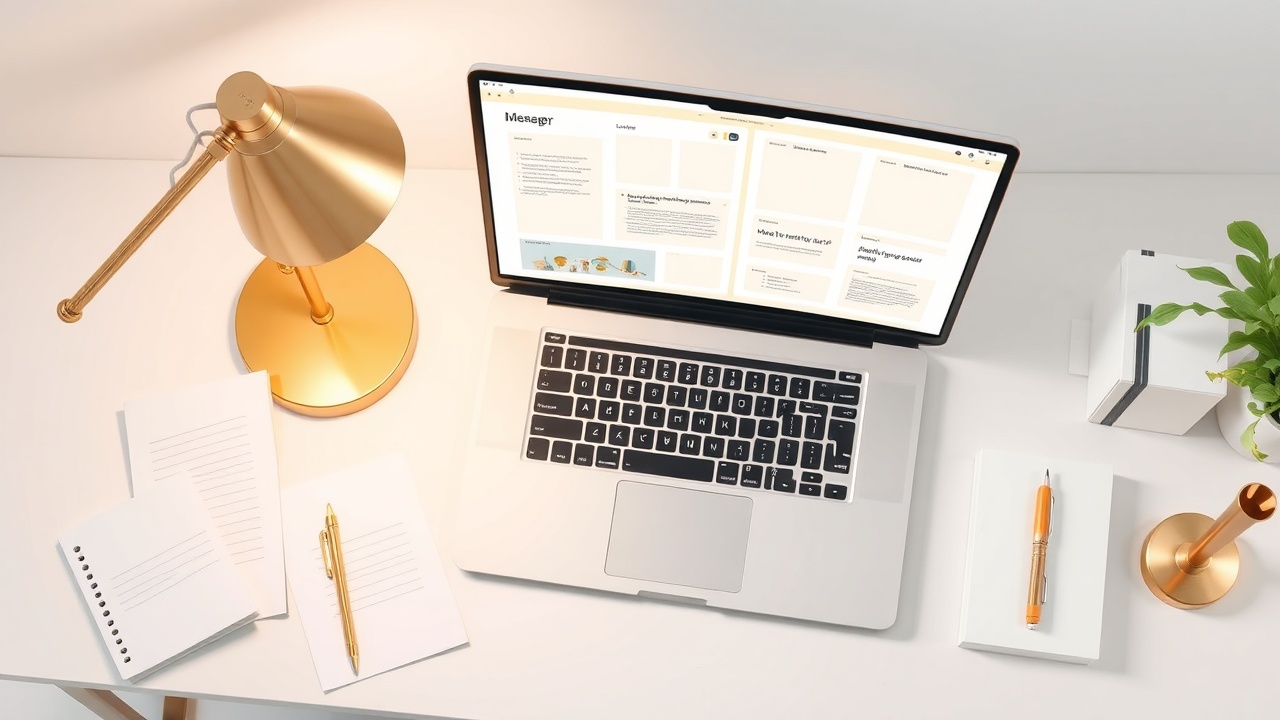
Buyers can't touch digital products, so your listing images must sell the experience. Mockups show your printable in context: a planner displayed in a lifestyle setting, wall art framed on a trendy gallery wall.
Canva offers mockup generators. Creative Market and Envato Elements sell premium mockup templates (one-time purchases under $20 serve most needs). Place your design in 3-5 different mockup scenes to create your listing image gallery.
The first listing photo matters most—it's your thumbnail in search results. Make it immediately clear what the product is and ensure it looks premium at small sizes.
Step 5: Write SEO-optimized listings
Etsy search determines whether buyers find you. Every listing needs strategic optimization:
Title: Front-load your primary keyword. "Budget Planner Printable | Monthly Finance Tracker | Savings Goal Worksheet" beats "Beautiful Cute Finance Planner for Your Money Goals." You have 140 characters—use them for keywords, not adjectives.
Tags: You get 13 tags per listing. Use all 13. Include your main keyword phrase, variations ("budget printable," "finance planner PDF"), and long-tail terms buyers search ("money tracker for beginners"). Study competitor tags using eRank's free tier.
Description: Repeat keywords naturally in the first 40 words (that's what Etsy indexes most heavily). Then explain exactly what buyers receive: file format, dimensions, how to use it, what's included in bundles.
Step 6: Price strategically
Research competitor pricing for similar products. Most individual printables sell between $2.99-$7.99. Bundles of 5-15 related items typically price at $9.99-$19.99.
Beginners often underprice. A $1.99 listing signals low quality to buyers. Start at $3.99-$4.99 for single printables and $12.99+ for substantial bundles. You can adjust based on sales data.
Step 7: Launch with volume, then optimize
List a minimum of 10-15 products before expecting meaningful traffic. Etsy's algorithm favors shops demonstrating commitment and variety. Aim for 3-5 new listings weekly until you reach 50+ items.
Track which listings get views and favorites. Double down on what's working by creating related products. A budget planner selling well? Create a debt payoff tracker, a sinking funds worksheet, a savings challenge printable. Build product families.
Realistic earnings & timeline
| Stage | Timeline | Listings | Expected Monthly Revenue |
|---|---|---|---|
| Launch phase | Weeks 1-4 | 10-20 | $0-$50 |
| Traction | Months 2-3 | 20-40 | $50-$200 |
| Growth | Months 3-6 | 40-75 | $200-$800 |
| Established | Months 6-12 | 75-150 | $500-$2,000 |
| Mature | Year 1+ | 150+ | $1,500-$5,000+ |
These ranges assume consistent effort: 5-10 hours weekly creating listings, optimizing based on data, and expanding successful product lines. Sellers who treat this like a hobby with sporadic activity will see hobby-level results.
The best printables to sell evolve by season. Wedding products peak January-June. Back-to-school items surge July-September. Budget planners spike in January. Building a diversified catalog smooths revenue across the year.
Mistakes that kill beginners
1. Designing what you like instead of what sells
Your personal aesthetic doesn't matter. Data matters. The entrepreneur who creates "boring" budget spreadsheets that solve actual problems outsells the designer uploading gorgeous-but-useless wall art into saturated categories. Research first, design second.
2. Quitting before reaching critical mass
Most abandoned Etsy shops have under 20 listings. At that volume, you haven't given the algorithm enough signals or buyers enough selection. The 50+ listing threshold is where most successful shops report consistent daily traffic.
3. Ignoring Etsy SEO fundamentals
Beautiful product photography and clever descriptions mean nothing if your title lacks searchable keywords. "Cute Printable for Organizing Your Life" generates zero traffic. "Weekly Planner Printable | Minimalist Desk Schedule | Productivity Tracker" gets found.
4. Creating one-off products instead of product lines
Random unrelated printables dilute your shop's identity and miss cross-selling opportunities. When a buyer loves your meal planner, they should find your grocery list printable, your recipe card template, and your pantry inventory tracker. Cohesive shops convert browsers into repeat customers.
5. Neglecting mockup quality
Blurry images, flat PDF screenshots, and inconsistent branding signal amateur operations. Buyers scroll past unprofessional listings, regardless of the actual product quality. Invest 15 minutes per listing in proper mockups—it's the highest-return time you'll spend.
Frequently asked questions
How much does it cost to start selling printables on Etsy?
You can start for under $50. Etsy charges $0.20 per listing (lasting 4 months), plus transaction and payment processing fees totaling about 9-10% per sale. You'll need design software (Canva is free) and optionally a small budget for mockup templates.
Do I need graphic design experience to sell printables on Etsy?
No. Most successful printable sellers use Canva or AI design tools with minimal design background. Templates, clean fonts, and simple layouts often outperform complex designs. Focus on solving a specific problem rather than artistic complexity.
What are the best printables to sell on Etsy in 2026?
Top performers include budget planners, wedding templates, small business bundles (invoices, contracts), homeschool resources, habit trackers, and wall art. Niches with recurring life events (weddings, babies, school) consistently sell well year-round.
How long does it take to make money with Etsy printables?
Most sellers see their first sale within 2-8 weeks with 10-20 optimized listings. Reaching $500/month typically takes 3-6 months of consistent effort. The 6-12 month mark is when passive income becomes more realistic with 50+ listings.
Is selling printables on Etsy still profitable in 2026?
Yes. Etsy reported over 90 million active buyers in 2025, and digital downloads remain popular due to instant delivery expectations. Competition is higher, but niche-focused shops with strong SEO and quality designs still achieve $1,000-$5,000+ monthly.
The bottom line
Learning how to make money on Etsy with printables isn't complicated—it requires research, consistency, and enough volume to let winners emerge. The barrier to entry is lower than almost any other online business, and the upside compounds as your catalog grows. Start this week, commit to 50 listings over the next two months, and you'll have data showing exactly what your audience wants to buy.
Get the AI tools to do all of this — free
Create a free Elite Engines account and get 5 AI money-making engines instantly. No credit card.