Quick Summary
Building an email list remains one of the most reliable ways to create lasting online income in 2026. Unlike social media followers you rent, email subscribers are an asset you own—and they convert at 3-5x higher rates than any other channel. This guide breaks down exactly how to grow an email list from zero, what to send, and how to turn subscribers into consistent revenue through affiliate offers, sponsorships, and your own products.
Can you really make money with this in 2026?
As of early 2026, email marketing continues to dominate digital revenue channels with an average return of $36-42 for every $1 spent. That's not marketing fluff—it's data from Litmus, HubSpot, and DMA studies tracking thousands of businesses.
Here's why the numbers hold up: social platforms have become increasingly pay-to-play. Organic reach on Instagram sits around 5-7%. Facebook organic reach hovers near 2%. TikTok's algorithm can make you viral one day and invisible the next. But when you send an email, it lands in the inbox. Period.
The email list business model has matured significantly. In 2026, we're seeing:
- Newsletter acquisitions regularly hitting 20-40x monthly revenue (Morning Brew sold for $75 million; The Hustle went for reportedly $27 million)
- Solo creators with 10,000-50,000 subscribers earning $10,000-$50,000 monthly
- Micro-lists of 1,000-3,000 highly targeted subscribers generating $2,000-$5,000 monthly through focused affiliate promotions
Can a complete beginner make money building email lists? Absolutely. But "money" doesn't mean "easy money." You'll need to provide genuine value, stay consistent for months before seeing significant returns, and treat your list like the long-term asset it is.
How building an email list for money actually works
The mechanics are straightforward once you see the full picture.
Step one: You offer something valuable for free. This is your lead magnet—a PDF guide, checklist, template, mini-course, or tool that solves a specific problem for a specific person. Someone visits your landing page, decides your free thing is worth their email address, and subscribes.
Step two: You nurture the relationship. New subscribers get a welcome sequence (3-7 emails over 1-2 weeks) that delivers immediate value, establishes your credibility, and warms them up to your recommendations.
Step three: You monetize through multiple streams. This is where the money actually flows:
- Affiliate marketing: Recommend products/services you trust, earn 20-75% commissions
- Sponsored emails: Brands pay $25-100+ per 1,000 subscribers to reach your audience
- Digital products: Sell your own courses, templates, or coaching
- Premium newsletters: Offer a paid tier with exclusive content
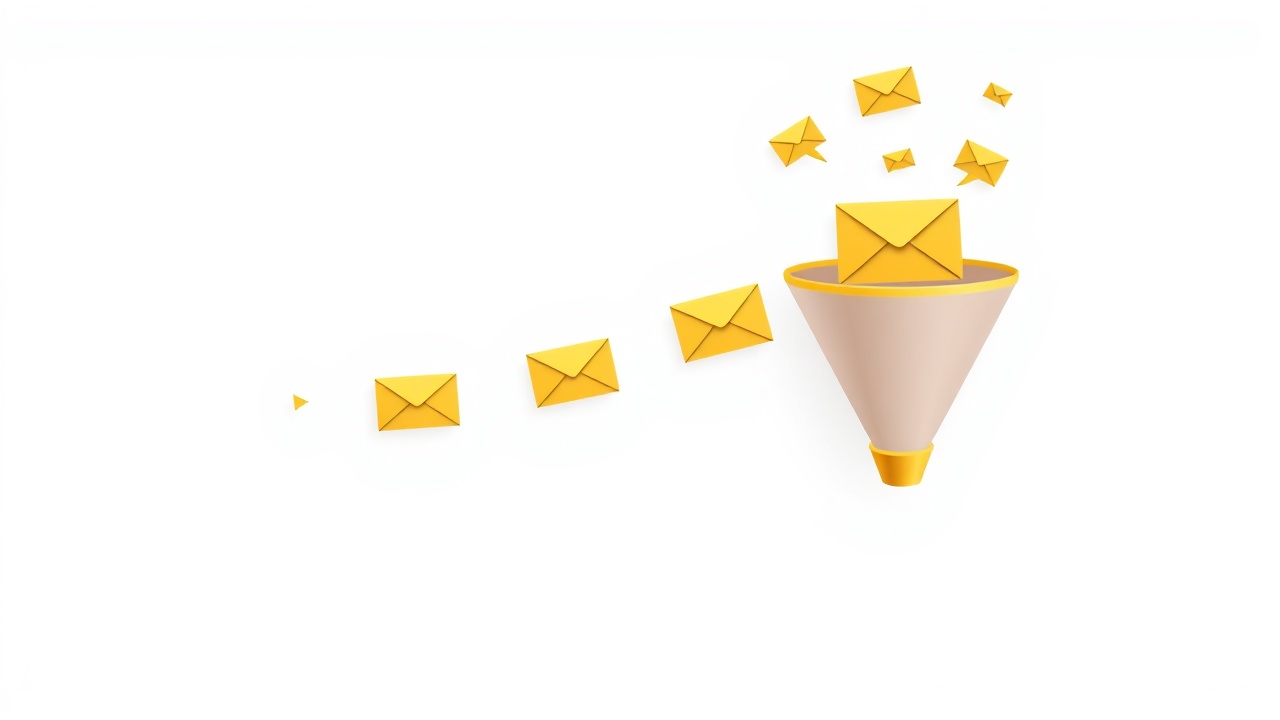
The key insight most beginners miss: your list is the business. The products, affiliates, and sponsors are just monetization methods. The real asset—the thing with compounding value—is the relationship you build with subscribers who trust your recommendations.
"Every email subscriber who stays engaged is worth $1-5 per month. Build a list of 5,000 people who actually want to hear from you, and you've built a $60,000-$300,000 annual asset."
Step-by-step: how to start building your email list
1. Choose a profitable niche with clear buyer intent
Your niche determines everything. You want an audience that:
- Has problems they'll pay to solve
- Already buys products/services (affiliate potential)
- Is reachable online through content or communities
Strong niches for list building in 2026: personal finance, career development, health/fitness, parenting, software/productivity, investing, online business, and hobbies with gear (photography, golf, etc.).
Avoid niches that are too broad ("lifestyle") or too narrow ("left-handed ukulele players in Ohio"). Aim for a market with at least 5-10 affiliate products you could genuinely recommend.
2. Create a lead magnet that solves one specific problem
Your lead magnet needs to deliver an immediate win. Not "everything about gardening"—but "The 5-Minute Soil Test That Tells You Exactly What Your Tomatoes Need."
Effective lead magnet formats:
- Checklists: Quick wins, easy to consume ("The 27-Point Pre-Launch Checklist")
- Templates: Save time and effort ("My Exact Cold Email Script That Books Meetings")
- Cheat sheets: Reference guides people keep ("Google Sheets Formulas Cheat Sheet")
- Mini-guides: 5-15 pages solving one problem deeply
Creating a professional lead magnet used to require design skills or expensive freelancers. Tools like the Lead Magnet Engine now generate polished PDF lead magnets with matching landing pages in minutes—no design experience needed. You input your topic, it outputs something you'd be proud to offer.
3. Build a landing page that converts
Your landing page has one job: turn visitors into subscribers. Keep it simple:
- Headline: State the benefit clearly ("Get More Done in Half the Time")
- Subheadline: Explain what they're getting
- Bullet points: 3-5 specific outcomes or inclusions
- Email capture form: Name + email (or just email for higher conversions)
- Social proof: Testimonials or subscriber count if you have them
Conversion rates for good landing pages run 20-40%. If yours converts below 15%, your offer isn't compelling enough or your copy isn't clear.
If you need a full site to house your landing pages and content, the Site Engine lets you spin up a professional blog or review site in under a minute—giving you a home base for SEO traffic and credibility.
4. Drive traffic to your landing page
No traffic, no subscribers. Here are the most effective methods ranked by effort vs. return:
Low-effort, high-return (start here):
- Add your lead magnet link to social media bios
- Share valuable content on Twitter/X, LinkedIn, or relevant subreddits with soft CTAs
- Answer questions on Quora with links to your lead magnet
- Guest post on established blogs in your niche
Medium-effort, high-return (scale here):
- Create SEO content targeting problems your lead magnet solves
- Start a YouTube channel or podcast with lead magnet mentions
- Partner with complementary creators for cross-promotions
Paid methods (once you're monetizing):
- Facebook/Instagram ads to lead magnet ($1-3 per subscriber typical)
- Sponsoring newsletters in adjacent niches
5. Set up your welcome sequence
The first 7 days after someone subscribes determines whether they become a fan or ignore you forever. Your welcome sequence should:
- Email 1 (immediate): Deliver the lead magnet, set expectations for future emails
- Email 2 (day 2): Share your story, establish credibility
- Email 3 (day 4): Provide additional value related to the lead magnet
- Email 4 (day 6): Soft pitch for an affiliate product or your offer
- Email 5 (day 7): Case study or testimonial, another soft CTA
Writing emails that actually convert takes practice. The Email Engine helps you craft broadcast emails and sequences designed to drive revenue—useful when you're staring at a blank screen wondering what to send 3,000 subscribers.
6. Monetize strategically from day one
You don't need 10,000 subscribers to start making money. With 100 engaged subscribers, you can:
- Promote a single well-matched affiliate offer in your welcome sequence
- Survey your list about their biggest challenges (product research)
- Test a small digital product ($7-27 range)
As you grow an email list, add monetization layers:
| List Size | Monetization Methods |
|---|---|
| 0-500 | Affiliate links in welcome sequence, simple digital products |
| 500-2,000 | Regular affiliate promotions, small sponsored mentions |
| 2,000-5,000 | Dedicated sponsored emails, course launches, coaching |
| 5,000-10,000 | Premium newsletter tier, higher-ticket products, brand deals |
| 10,000+ | Multiple revenue streams, potential acquisition value |
Realistic earnings & timeline
Let's kill the fantasy numbers and talk reality. Here's what actual beginners experience when they make money building email lists:
| Timeline | Milestone | Expected Revenue |
|---|---|---|
| Month 1-2 | 100-300 subscribers | $0-50 (testing) |
| Month 3-4 | 500-1,000 subscribers | $100-500 |
| Month 5-6 | 1,000-2,000 subscribers | $500-1,500 |
| Month 7-9 | 2,000-4,000 subscribers | $1,500-4,000 |
| Month 10-12 | 4,000-6,000 subscribers | $3,000-8,000 |
| Year 2 | 8,000-15,000 subscribers | $8,000-20,000/month |
These numbers assume:
- Consistent weekly emails (not monthly)
- Active traffic generation efforts
- 20-25% open rates (industry standard for healthy lists)
- Mix of affiliate, sponsored, and product revenue
The $1-2 per subscriber per month benchmark is real, but only for engaged lists. A 10,000-subscriber list with 8% open rates is worth less than a 3,000-subscriber list with 35% open rates.
Mistakes that kill beginners
1. Buying email lists or using shady growth tactics
Purchased lists destroy deliverability. Those emails bounce, mark you as spam, and tank your sender reputation. It takes months to recover—if you can at all. Grow organically or through legitimate paid acquisition only.
2. Waiting too long to email after signup
If someone subscribes and doesn't hear from you for two weeks, they've forgotten who you are. Your first email should arrive within minutes. The welcome sequence should unfold over the first week. Silence kills engagement.
3. Only emailing when you want to sell something
Your list will train itself to ignore you—or worse, unsubscribe—if every email is a pitch. The 3:1 or 4:1 value-to-promotion ratio exists for a reason. Build trust before asking for money.
4. Ignoring list hygiene
Subscribers who haven't opened an email in 90 days hurt your deliverability. Run re-engagement campaigns quarterly. Remove the dead weight. A smaller, engaged list outperforms a large, cold one every time.
5. Generic lead magnets that attract everyone and convert no one
The "Ultimate Guide to Everything" attracts tire-kickers. A specific lead magnet ("How to Write LinkedIn Posts That Get 10,000+ Views") attracts people ready to take action—and buy things that help them take more action.
Frequently asked questions
How much money can you make from an email list?
Industry benchmarks suggest $1-2 per subscriber per month with good engagement. A well-maintained 5,000-subscriber list can realistically generate $5,000-$10,000 monthly through a mix of affiliate promotions, sponsored content, and product sales.
How long does it take to build a profitable email list?
Most beginners reach their first 1,000 subscribers within 3-6 months with consistent effort. Monetization can begin immediately, but meaningful income ($1,000+ monthly) typically takes 6-12 months of strategic list building and relationship nurturing.
What is the best free way to start building an email list?
Create a valuable lead magnet solving a specific problem, set up a free landing page, and drive traffic through content on platforms you already use (social media, YouTube, forums). Many email platforms offer free tiers for your first 500-1,000 subscribers.
Is email marketing still effective in 2026?
Yes. Email consistently delivers 36-42x ROI compared to other channels. Unlike social platforms where algorithms control reach, you own your email list and can contact subscribers directly. Open rates remain strong at 20-25% for well-maintained lists.
What should I send to my email list to make money?
Alternate between value-driven content (tips, insights, resources) and monetized emails (affiliate recommendations, product launches, sponsored content). A common ratio is 3-4 value emails for every promotional email to maintain trust and engagement.
The bottom line
List building for money isn't a hack or a shortcut—it's a legitimate business model that compounds over time. While social platforms rise and fall and algorithms shift without warning, your email list remains yours. Start with one good lead magnet, send emails people actually want to read, and treat every subscriber like the long-term asset they are.
Get the AI tools to do all of this — free
Create a free Elite Engines account and get 5 AI money-making engines instantly. No credit card.