Quick Summary
Brand deals remain one of the most lucrative monetization paths for creators in 2026, with even small accounts commanding $200-$2,000 per sponsored post. Success comes down to three things: a professional media kit that proves your value, a brand deal pitch strategy that gets responses, and pricing that makes sense for both parties. This guide walks you through each step so you can turn your audience into a sustainable income stream.
Can you really make money with this in 2026?
Absolutely—and the opportunity is bigger than ever. As of early 2026, the creator economy has matured into a $480 billion industry, with brands allocating an average of 27% of their marketing budgets to influencer partnerships. More importantly for smaller creators, 64% of brands now prefer working with micro-influencers (1,000-50,000 followers) over celebrity accounts because they deliver 3x higher engagement rates.
The math works in your favor. A creator with 5,000 Instagram followers and solid engagement can realistically earn $200-$400 per sponsored post. Land two deals per month, and you're looking at $4,800-$9,600 annually from a modest following. Creators with 25,000+ followers regularly command $500-$2,000 per post across platforms.
The key shift in 2026 is that brands have become more sophisticated. They're no longer dazzled by follower counts alone. They want proof of genuine influence: click-through rates, conversion data, and audience trust. This actually helps smaller creators compete because engagement and authenticity are your strongest cards.
How brand deals actually work
Understanding how to get brand deals starts with understanding what brands actually buy. They're not paying for a post—they're paying for access to your audience's attention and trust.
Here's the typical brand deal lifecycle:
Discovery: A brand finds you through hashtags, creator databases, or your pitch lands in their inbox. First impressions matter enormously here.
Vetting: They check your content quality, engagement rates, audience demographics, and past collaborations. They're asking: "Will this creator's audience buy our product?"
Negotiation: Terms get discussed—deliverables, timeline, usage rights, payment, and exclusivity. Most deals fall apart here due to misaligned expectations.
Creation: You produce the sponsored content according to the brief while maintaining your authentic voice.
Delivery and payment: Content goes live, you provide performance metrics, and payment arrives (typically net-30 after posting).
Brands evaluate three core metrics when considering creators:
- Engagement rate: (Likes + Comments) ÷ Followers × 100. Anything above 3% is good; above 6% is excellent.
- Audience fit: Do your followers match their target demographic?
- Content quality: Does your content align with their brand aesthetic?

Step-by-step: how to start
Step 1: Audit your current position
Before chasing sponsorships, get honest about where you stand. Calculate your engagement rate across platforms. Document your audience demographics using native analytics (age, location, gender, interests). Identify your niche—the more specific, the more valuable to brands.
A fitness creator is common. A fitness creator focused on strength training for women over 40? That's a defined audience brands will pay premium rates to reach.
Step 2: Build your media kit
Your media kit is your resume, portfolio, and sales pitch rolled into one. This document often determines whether a brand responds to your pitch or ignores it entirely.
Essential media kit components:
- Professional headshot and brief bio (2-3 sentences)
- Your niche and content style
- Platform statistics (followers, engagement rate, average views)
- Audience demographics with percentages
- 3-5 examples of your best content
- Past brand collaborations (if any)
- Testimonials from previous partners
- Rate card with clear pricing
Keep it to 2-3 pages. Use consistent branding—colors, fonts, and imagery that match your content aesthetic. Export as a PDF under 5MB for easy email attachment.
"The creators who land consistent brand deals aren't necessarily the biggest—they're the ones who make it easy for brands to say yes. A professional media kit removes friction from the decision."
Step 3: Create a target brand list
Sponsorship for small creators becomes much easier when you pitch strategically. Build a list of 50-100 brands that:
- Sell products your audience would genuinely use
- Already work with creators at your level (check their Instagram tagged posts)
- Align with your values and content style
- Have marketing budgets (look for companies with active ad campaigns)
Organize your list in a spreadsheet with columns for: brand name, contact email, Instagram handle, why they're a good fit, and pitch status.
Step 4: Find the right contacts
Generic contact forms rarely work. You need the email of someone who makes partnership decisions—usually an Influencer Marketing Manager, Brand Partnerships Lead, or Social Media Director.
Try these methods:
- LinkedIn searches for "[Brand Name] influencer marketing"
- Email pattern tools (Hunter.io, Apollo.io)
- Instagram DMs to brand accounts asking for partnership contact
- The brand's press page sometimes lists partnership emails
Step 5: Craft your brand deal pitch
Your pitch email needs to accomplish three things in under 200 words: show you know the brand, explain why your audience fits, and propose a specific idea.
Pitch template structure:
Subject line: Partnership idea: [specific concept] for [Brand Name]
Opening: One sentence showing genuine familiarity with the brand.
The connection: Explain how your audience aligns with their target market. Use specifics.
The idea: Propose one concrete content concept—not just "I'd love to work together."
The ask: Request a call or offer to send your media kit.
Signature: Include your handles and a link to your best content.
Send pitches Tuesday through Thursday between 9-11 AM in the brand's timezone. Follow up once after 7 days if you don't hear back.
Step 6: Set your rates
Pricing sponsorships correctly is part art, part math. Start with these baseline formulas:
Instagram: $100 per 10,000 followers (minimum $150)
TikTok: $50-$100 per 10,000 followers
YouTube: $20-$50 per 1,000 average views
Blog/Newsletter: $50-$100 per 1,000 subscribers
Add premiums for:
- Exclusivity (no competing brands): +25-50%
- Usage rights (ads, website): +50-100%
- Multiple deliverables: +50-75%
- Rush timeline (under 7 days): +25%
- Whitelisting (running ads from your account): +25%
Step 7: Scale your content operation
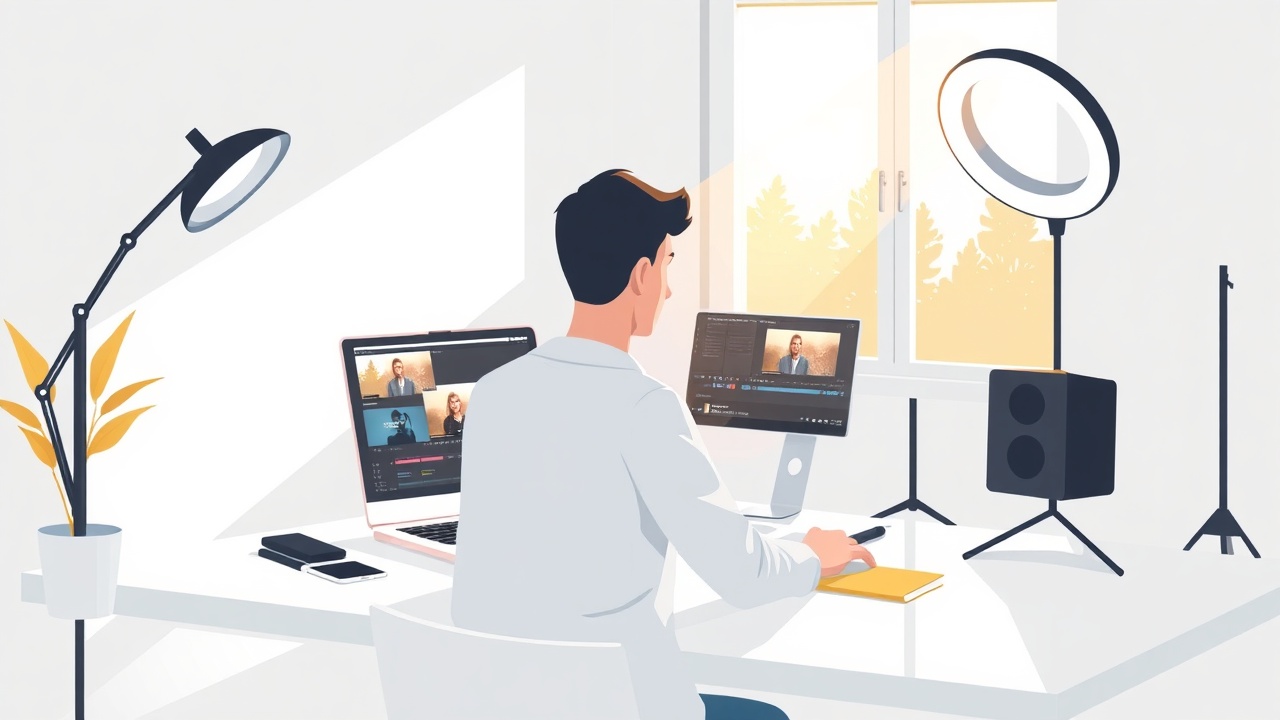
Brand partnerships require consistent, quality content. The more professional your content ecosystem looks, the higher rates you can command.
For creators managing multiple platforms, tools like Content Engine can help produce long-form SEO-ready articles that demonstrate expertise in your niche—exactly what brands want to see when they research potential partners.
Your YouTube content matters too. Strong thumbnails directly impact your view counts, and brands pay close attention to your average views. Thumbnail Engine helps you create click-worthy thumbnails that boost performance metrics—the same metrics brands evaluate before signing deals.
Step 8: Get discovered by brands
While outbound pitching works, inbound inquiries convert at higher rates because the brand is already interested. Position yourself to be found.
One overlooked strategy: AI search visibility. When brand managers ask ChatGPT or Perplexity for creator recommendations in your niche, you want your name to appear. Traffic Generator AI helps optimize your content to get cited by AI search engines—putting you on the radar of marketing teams researching partnership opportunities.
Realistic earnings & timeline
Here's what you can genuinely expect based on follower count and consistency:
| Follower Range | Rate Per Post | Deals/Month | Monthly Income | Timeline to First Deal |
|---|---|---|---|---|
| 1,000-5,000 | $100-$250 | 1-2 | $100-$500 | 2-4 months |
| 5,000-10,000 | $200-$500 | 2-3 | $400-$1,500 | 1-3 months |
| 10,000-25,000 | $400-$1,000 | 3-4 | $1,200-$4,000 | 2-6 weeks |
| 25,000-50,000 | $750-$2,000 | 4-6 | $3,000-$12,000 | 1-4 weeks |
| 50,000-100,000 | $1,500-$4,000 | 5-8 | $7,500-$32,000 | Inbound inquiries |
Timeline expectations:
- Week 1-2: Create media kit, build brand list
- Week 3-6: Send 20-30 pitches, refine approach based on responses
- Week 6-12: Close first 1-3 deals, build case studies
- Month 4-6: Develop relationships, increase rates 20-30%
- Month 6-12: Mix of inbound and outbound, consistent monthly income
Creators who treat this like a business—pitching consistently, following up, and delivering excellent work—reach sustainable income faster than those who wait to be discovered.
Mistakes that kill beginners
Pitching without a media kit: Brands receive hundreds of pitches weekly. Without a professional media kit, you're asking them to do research you should have done. You'll get ignored.
Underpricing drastically: New creators often charge $25-$50 "just to get started." This signals low value and attracts brands that will always want cheap work. Start at fair market rates—you can negotiate from there.
Accepting products as payment (when you need cash): Product gifting is fine for building portfolio, but don't confuse it with monetization. A $50 product doesn't pay rent. Know when to require monetary compensation.
Ignoring FTC disclosure requirements: Every sponsored post must clearly disclose the partnership (#ad, #sponsored, or platform's built-in tools). Brands increasingly verify compliance. Getting this wrong can end partnerships and invite legal trouble.
Saying yes to misaligned brands: Taking a deal for a product you'd never use destroys audience trust—your actual asset. One bad partnership can undo months of relationship building with your followers.
Frequently asked questions
How many followers do you need to get brand deals?
You can start landing brand deals with as few as 1,000 engaged followers. Brands increasingly value engagement rate over follower count. A creator with 2,000 followers and 8% engagement is often more valuable than one with 50,000 followers and 1% engagement.
How much should I charge for a brand deal as a small creator?
Small creators (1,000-10,000 followers) typically charge $100-$500 per sponsored post on Instagram or TikTok. A common starting formula is $100 per 10,000 followers, plus premiums for exclusivity, usage rights, or multiple deliverables.
What should be included in a creator media kit?
A strong media kit includes your bio, niche, audience demographics, follower counts across platforms, engagement rates, past brand collaborations, content examples, and your rate card. Keep it to 2-3 pages maximum in PDF format.
How do I pitch a brand for sponsorship?
Research the brand thoroughly, then send a personalized email explaining why you love their product, how your audience aligns with their target market, a specific campaign idea, and your rates. Keep it under 200 words and include your media kit as an attachment.
How long does it take to get your first brand deal?
Most creators who actively pitch brands land their first deal within 2-4 months. The timeline depends on your niche, engagement rate, and pitch volume. Sending 20-30 personalized pitches typically yields 2-5 responses and 1-2 deals.
The bottom line
Learning how to get brand deals isn't about having a massive following—it's about proving your audience's value and making it easy for brands to partner with you. Build a professional media kit, pitch consistently with specific ideas, and price your work fairly. The creators who treat sponsorships like a business in 2026 are the ones building sustainable income from their content.
Get the AI tools to do all of this — free
Create a free Elite Engines account and get 5 AI money-making engines instantly. No credit card.