
Quick Summary
UGC (user-generated content) creation lets you earn money making videos and photos for brands without needing any social media following. You create authentic-looking content that brands pay for and post on their own channels. As of 2026, this remains one of the fastest paths to creator income because you're selling a skill, not an audience. This guide covers exactly how to become a UGC creator, land your first paid gig, and scale to consistent monthly income.
Can you really make money with this in 2026?
As of early 2026, UGC creation is more viable than ever—and the market has matured in your favor.
Brands spent an estimated $7.2 billion on creator-generated content in 2025, with UGC accounting for roughly 35% of that spend according to industry reports from Influencer Marketing Hub. The shift toward authentic, less-polished content continues to accelerate. TikTok-style videos outperform studio productions in paid ads by 2-3x on conversion rates, which means brands need a constant pipeline of fresh, relatable content.
Here's what makes 2026 different from previous years: the UGC creator role is now a recognized job category. Brands have dedicated UGC budgets. Platforms like Billo, Insense, JoinBrands, and Trend have streamlined the matching process. You're no longer explaining what UGC is—you're competing on quality and professionalism.
The barrier to entry is low. The barrier to earning consistently is higher. This guide focuses on crossing that second threshold.
How UGC creation actually works
Let's demystify the mechanics of ugc for brands.
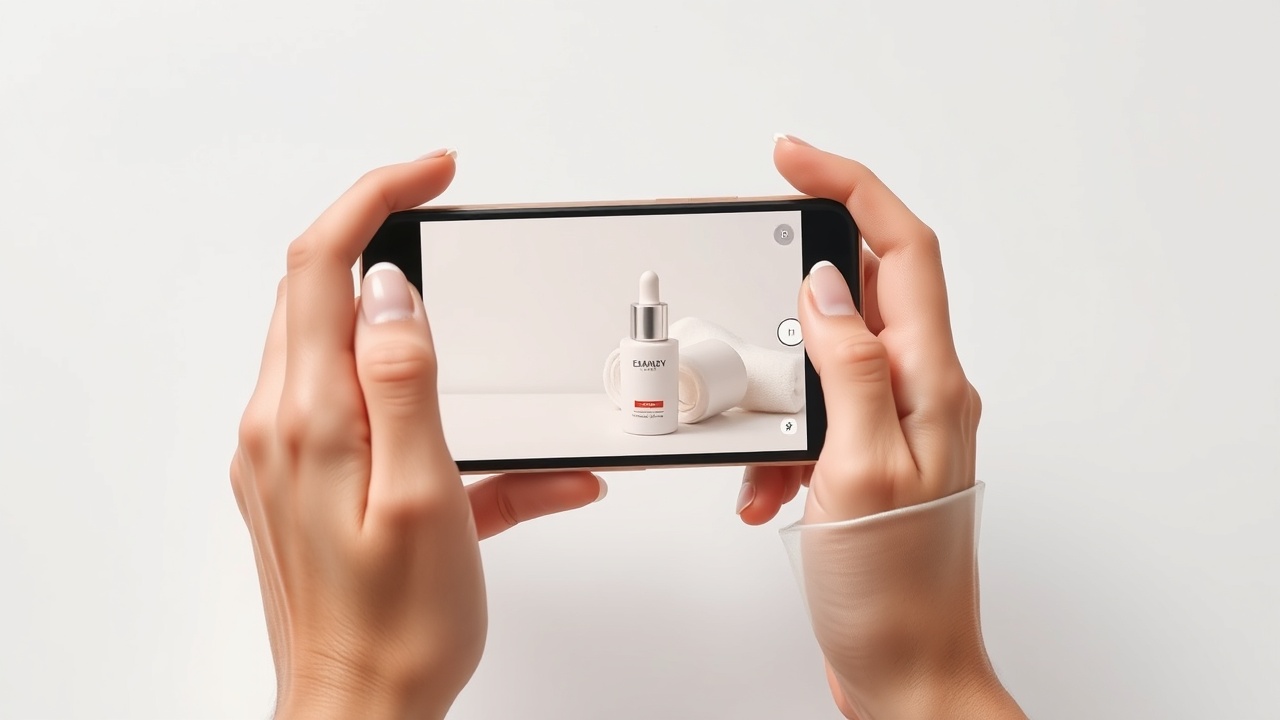
When a brand hires a UGC creator, they're buying content—not access to your audience. You film videos or shoot photos featuring their product, send the raw files or edited deliverables, and they publish the content on their own Instagram, TikTok, Facebook ads, website, or email campaigns.
You never post anything. Your face might appear in ads seen by millions, but your personal follower count stays exactly where it is. That's the core proposition for anyone pursuing ugc creator no following opportunities.
The typical workflow looks like this:
- Brand sends product to your address (or you purchase and get reimbursed)
- Brand provides a creative brief with talking points, style preferences, and technical specs
- You film content according to the brief (usually 1-3 videos or 5-10 photos per project)
- You deliver files through the platform or via Google Drive/Dropbox
- Brand pays upon approval (or per contracted terms)
Usage rights matter enormously. A video licensed for organic social only costs less than one licensed for paid ads. A video with perpetual ad rights costs more than one limited to 90 days. Your pricing should reflect these distinctions.
The content itself typically falls into a few categories:
- Talking head testimonials: You speak directly to camera about the product
- Product demos: Showing how something works, unboxing, or routine integration
- B-roll footage: Aesthetic clips of the product in use, no speaking
- Photo stills: Lifestyle imagery featuring the product
- Hook variations: Multiple opening lines for the same video (brands A/B test these)
Most brands want multiple hooks and a clean, authentic vibe. They're paying for content that feels like a real person made it—because you are a real person.
Step-by-step: how to start
Here's how to become a UGC creator from zero, broken into concrete actions.
Step 1: Choose your niche (or stay broad initially)
Niches make pitching easier. Skincare, fitness, pet products, tech accessories, food and beverage, and baby products all have active UGC demand. But you don't need to lock in immediately.
Start by listing product categories you'd genuinely use or have used. Authenticity shows on camera. If you've never touched a golf club, golf brands aren't your best bet.
For your first 5-10 projects, staying relatively broad helps you discover what content you enjoy making and what brands respond to.
Step 2: Build a portfolio with spec work
You cannot pitch without samples. This is where most aspiring creators stall.
Spec work means creating UGC-style content for products you already own—without being paid. Film 3-5 videos as if a brand hired you. Use products in your home: skincare, supplements, kitchen gadgets, clothing, tech accessories.
Follow this structure for each spec video:
- Hook (first 1-2 seconds that stop the scroll)
- Problem or context (why this product matters)
- Product showcase (demonstrating the item)
- Call-to-action or closing thought
Keep videos between 15-45 seconds. Film vertically in good lighting. Edit simply—cuts, captions, maybe background music.
Step 3: Set up your portfolio hub
You need a single link that shows your work professionally. Options include:
- Notion portfolio: Free, clean, easy to update
- Canva website: Simple drag-and-drop
- Stan Store or Beacons: Creator-focused landing pages
- Personal website: More professional, slightly more effort
Your portfolio should include: a short bio, your niche focus (if applicable), 3-5 video samples embedded or linked, your contact email, and a downloadable rate sheet or pricing overview.
Brands decide whether to hire you within 15 seconds of landing on your portfolio. Lead with your strongest video, not your longest bio.
Step 4: Create your rate sheet
UGC rates vary widely, but having clear pricing signals professionalism.
For beginners, start in the $100-$150 range per video with organic usage rights. Offer package deals (3 videos for $350, for example) to increase average order value.
Your rate sheet should cover:
- Single video pricing
- Bundle pricing (3-pack, 5-pack)
- Photo set pricing
- Usage rights tiers (organic vs. paid ads, duration)
- Rush delivery fees
- Hook variation add-ons
Step 5: Apply through UGC platforms
Platforms are the fastest path to paid work as a ugc creator no following.
- Billo: High volume, product-focused campaigns, built-in payment protection
- Insense: Connects with TikTok and Meta ad accounts, higher-end brands
- JoinBrands: Broad range of product categories, good for beginners
- Trend: Curated brand partnerships, application-based
- Collabstr: Marketplace for both UGC and influencer work
Apply to every relevant campaign. Volume matters early on. Your acceptance rate will be low at first—that's normal.

Step 6: Cold pitch brands directly
Platforms are convenient. Direct pitching pays better.
Identify brands running UGC-style ads on TikTok and Instagram. Use the Meta Ad Library and TikTok Creative Center to find them. Look for brands with 10,000-500,000 followers—big enough to have budgets, small enough to read your DM.
Your pitch template:
"Hey [Brand]—I'm a UGC creator specializing in [niche]. I noticed your ads using creator content and wanted to reach out. I'd love to create some test videos for you. Here's my portfolio: [link]. Let me know if you're taking on new creators."
Send 10-20 pitches per week. Expect a 5-10% response rate. One yes per 30 pitches is normal when starting.
Step 7: Deliver exceptionally, then upsell
Your first few clients are reputation-builders. Over-deliver. Hit deadlines early. Provide extra hook variations without being asked.
After successful delivery, ask for:
- A testimonial for your portfolio
- A referral to other brands they know
- Ongoing retainer work (monthly content packages)
Retainers are where real income stability happens. One brand paying $800/month for 6 videos beats chasing ten $80 one-offs.
If you're also building out written content to attract inbound leads—like blog posts explaining your UGC process or case studies—Content Engine can help you produce SEO-ready articles without spending hours writing. Some creators use this to build niche authority sites that funnel brand inquiries directly to them.
For creators who also produce YouTube content (tutorials, behind-the-scenes), Thumbnail Engine generates click-optimized thumbnails fast, so your discovery content actually gets watched.
Realistic earnings & timeline
Let's talk real numbers, because vague promises help no one.
| Stage | Timeline | Monthly Earnings | Projects/Month |
|---|---|---|---|
| Building portfolio | Weeks 1-2 | $0 | 0 (spec work) |
| First paid gig | Weeks 3-6 | $100-$300 | 1-2 |
| Consistent bookings | Months 2-4 | $500-$1,500 | 4-8 |
| Part-time income | Months 4-8 | $1,500-$3,000 | 8-15 |
| Full-time income | Months 8-18 | $4,000-$8,000+ | 15-30+ |
These numbers assume you're actively pitching and delivering quality work. Passive portfolio listings alone won't generate this volume.
Top-tier UGC creators (18+ months experience, specialized niches, strong portfolios) report $10,000-$20,000+ monthly. But they've built systems: retainer clients, efficient workflows, sometimes small teams.
Most creators plateau at $2,000-$4,000/month as a side income. That's not failure—that's a meaningful revenue stream from a skill-based business with low overhead.
Mistakes that kill beginners
Avoid these and you're ahead of 80% of new UGC creators.
1. Weak portfolio presentation. Your work might be good, but if your portfolio looks amateur—broken links, no clear samples, confusing navigation—brands bounce. Invest an hour in making it clean.
2. Pricing too low (or too high) without justification. $25/video signals desperation and attracts nightmare clients. $400/video with no testimonials signals delusion. Price within market range, then raise rates as you build proof.
3. Ignoring lighting and audio. Natural window light beats ring lights in most cases, but you need some light source. Avoid backlighting. Record in quiet spaces. Poor audio is unforgivable.
4. Generic pitching. "Hi, I'm a UGC creator, here's my portfolio" gets deleted. Reference the brand's existing content, suggest specific ideas, show you've done two minutes of research.
5. Treating platforms as your only channel. Platform fees eat margins. Platform algorithms bury you. Build toward direct relationships. Platforms are training wheels, not the destination.
Frequently asked questions
Can you be a UGC creator with no following?
Yes. UGC creators make content for brands to use on the brand's own channels. You're hired for your content creation skills, not your audience size. Many successful UGC creators have fewer than 500 followers on their personal accounts.
How much do UGC creators charge per video?
Beginner UGC rates typically range from $75-$150 per video. Experienced creators charge $200-$500+ per video. Rates vary based on usage rights, exclusivity, and content complexity. Most creators also offer package deals for multiple deliverables.
What equipment do you need to start UGC?
A smartphone with a good camera (iPhone 12 or newer, or equivalent Android), natural lighting or a $30 ring light, and a $20 phone tripod. Total startup cost can be under $100 if you already own a decent phone.
How do brands find UGC creators?
Brands find UGC creators through dedicated platforms like Billo, Insense, and Trend, through direct outreach on social media, via creator portfolios and websites, and through agency partnerships. Having a visible portfolio dramatically increases inbound opportunities.
How long does it take to get your first UGC brand deal?
Most new UGC creators land their first paid gig within 2-6 weeks of actively pitching. Creators who build strong portfolios with spec work and apply consistently through UGC platforms often book faster than those relying solely on cold outreach.
The bottom line
UGC creation in 2026 is a legitimate, skill-based income stream that rewards execution over audience size. You don't need followers, fame, or expensive equipment—you need a portfolio, a pitch process, and the persistence to treat it like a real business. Start filming this week.
Get the AI tools to do all of this — free
Create a free Elite Engines account and get 5 AI money-making engines instantly. No credit card.