Quick Summary
Dropshipping in 2026 is harder than the gurus claim but still viable if you approach it like a real business. The winners are those who build branded stores, create helpful content, and focus on customer experience rather than chasing viral products. Expect 15-25% profit margins once established, a 4-6 month runway to profitability, and a startup budget of at least $500 if you're serious. This guide breaks down exactly what works, what doesn't, and how to build the systems that make dropshipping sustainable.
Can you really make money with this in 2026?
As of early 2026, the honest answer is: yes, but with significant caveats.
The dropshipping gold rush of 2018-2021 is definitively over. Those days of slapping AliExpress products onto a Shopify store, running some Facebook ads, and watching money roll in? Gone. Platform ad costs have roughly tripled since then. Customer expectations have skyrocketed. And your competition now includes thousands of established players with real operations.
But here's what the pessimists miss: global ecommerce continues growing at 8-10% annually. The dropshipping model itself—selling products without holding inventory—remains fundamentally sound. What's changed is the execution required to succeed.
The data tells an interesting story. According to industry analysis in late 2025, dropshipping stores that focus on niche markets and branded customer experiences report average net profit margins of 15-25%. Meanwhile, generic stores competing purely on price see margins compressed to 5-10%—often not worth the effort.
So is dropshipping worth it in 2026? It depends entirely on whether you're willing to build something real or just looking for a get-rich-quick scheme. The former still has genuine opportunity. The latter will burn through your budget in weeks.
How dropshipping actually works
Let's strip away the marketing hype and explain the mechanics plainly.
Dropshipping is a fulfillment method, not a business model. You create an online store, list products from suppliers, and when a customer orders, your supplier ships directly to them. You never touch inventory.
The money flow works like this:
- Customer pays you $40 for a product
- You pay your supplier $18 for that product plus $7 shipping
- You keep the $15 difference as gross profit
- After payment processing fees (~3%), ad costs, and platform fees, your net profit lands around $6-8
That's roughly a 15-20% net margin on a well-optimized product. Multiply by hundreds of orders monthly, and you have a real business.
The critical difference between dropshipping and traditional retail: your risk is dramatically lower because you're not buying inventory upfront. But your margins are also thinner because you're paying premium per-unit pricing from suppliers rather than wholesale bulk rates.
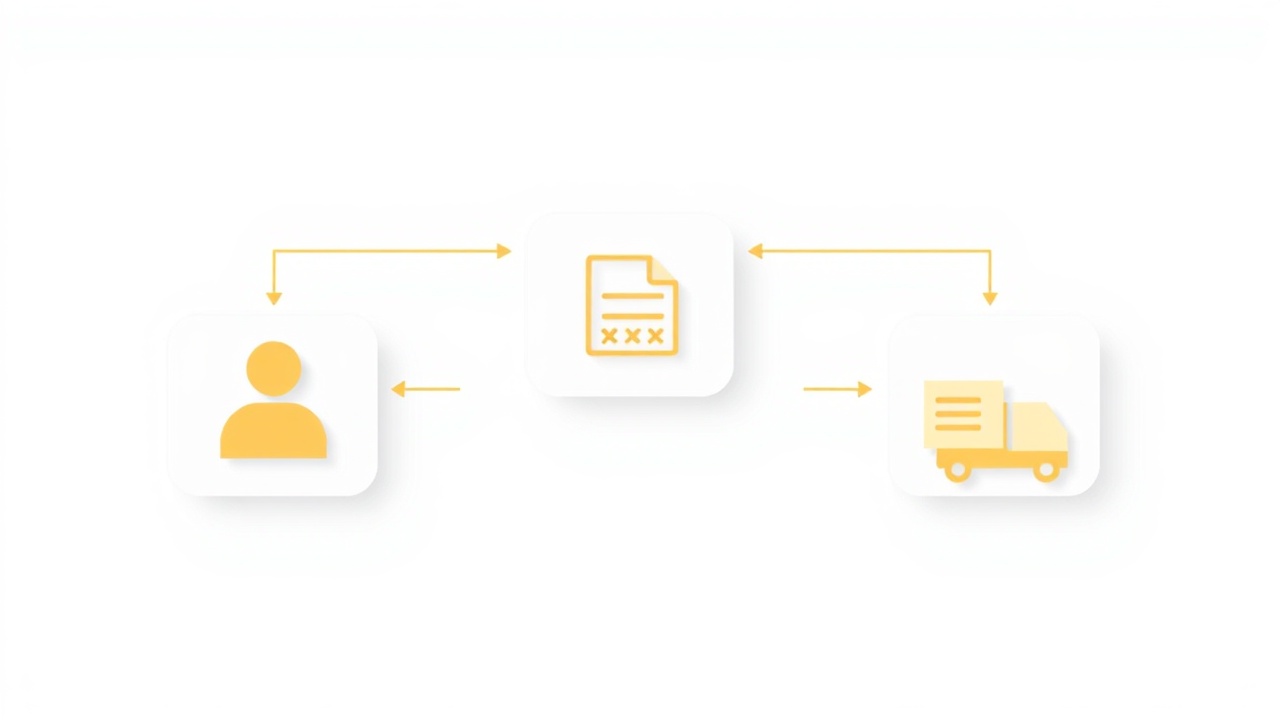
For dropshipping for beginners, understanding this trade-off is essential. You're trading lower startup risk for lower margins and less control over the customer experience. The suppliers who fulfill your orders control shipping times, packaging quality, and product consistency.
Step-by-step: how to start
Here's how to start dropshipping in 2026 with a realistic path to profitability.
1. Choose a niche based on problem-solving, not trending products
Forget the "winning product" hunting that dominates YouTube tutorials. Products go viral, get saturated, and die within weeks. Instead, identify niches where you can become a genuine resource.
Strong 2026 niches share these characteristics:
- They solve specific problems (not impulse purchases)
- Products aren't easily found at local retailers
- Average order value potential of $40+
- Repeat purchase potential or accessory ecosystems
- Enough complexity that buyers research before purchasing
Examples: specialized pet supplies for specific breeds, home office ergonomics, hobbyist equipment, sustainable home goods.
2. Find reliable suppliers (and actually test them)
The supplier landscape has matured significantly. Your main options:
- DSers/CJ Dropshipping: AliExpress alternatives with faster shipping
- Spocket/Modalyst: US/EU-based suppliers, premium pricing but 3-7 day shipping
- Direct supplier relationships: Requires more effort but best margins
Critical step: Order samples of every product you plan to sell. This costs money upfront but prevents disaster. You need to know actual shipping times, packaging quality, and product accuracy before customers experience it.
3. Build a branded store that looks legitimate
Generic stores with random product collections don't convert in 2026. Customers have learned to spot dropshipping operations and associate them with poor quality and slow shipping.
Your store needs:
- A cohesive brand identity around your niche
- Professional product photography (or heavily edited supplier photos)
- Clear shipping timeframes (never lie about these)
- Comprehensive FAQ and return policy pages
- Trust signals: reviews, secure checkout badges, contact information
This is where most beginners waste weeks or hire expensive developers. If you want to skip the technical headaches, Site Engine can generate a complete store foundation in about 60 seconds—giving you the structure so you can focus on products and branding rather than wrestling with themes.
4. Create content that drives organic traffic
This is the 2026 differentiator that separates profitable stores from money pits.
Paid advertising still works, but customer acquisition costs have risen to $15-40 per customer in most niches. At $6-8 profit per order, the math doesn't work unless you're achieving significant repeat purchases.
The solution: content marketing that brings in free, targeted traffic.
The stores making real money in 2026 aren't just selling products—they're building audiences through helpful content that ranks in search and establishes genuine expertise.
This means:
- Detailed product comparison guides
- How-to content related to your niche
- Buyer's guides that rank for commercial keywords
- Email sequences that nurture browsers into buyers
The challenge is volume. You need dozens of articles to build meaningful organic traffic. Content Engine handles the heavy lifting here—generating long-form, SEO-ready articles that you can publish on autopilot while focusing on other aspects of your business.
5. Set up email capture and nurture sequences
Most visitors won't buy on their first visit. Email captures their attention for later.
Set up:
- A 10-15% discount popup for first-time visitors
- Abandoned cart recovery sequences
- Post-purchase follow-ups requesting reviews
- Regular newsletter content adding value to your niche
For the actual email writing—sales sequences, broadcasts, follow-ups—Email Engine can draft these based on your products and brand voice. The time savings compound quickly when you're managing multiple campaigns.
6. Test products with minimal spend before scaling
Never dump your budget into advertising an untested product. The 2026 testing framework:
- Start with $20-30/day ad spend per product
- Run tests for 5-7 days minimum
- Track cost per click, add to cart rate, and conversion rate
- Kill products with less than 2% add-to-cart rate after 1,000 impressions
- Scale winners gradually, increasing budget 20-30% every few days
Most products won't work. That's normal. Budget for testing 5-10 products before finding one that scales.
Realistic earnings & timeline
Let's talk real numbers. Here's what the journey typically looks like for someone following a structured approach:
| Timeframe | Realistic Milestone | Typical Revenue | Net Profit |
|---|---|---|---|
| Month 1 | Store setup, first products listed, initial ads | $0-500 | -$200 to -$500 (testing costs) |
| Month 2-3 | First consistent sales, identifying what works | $500-2,000 | -$100 to +$200 |
| Month 4-6 | Optimized products, organic traffic starting | $2,000-5,000 | $300-1,000 |
| Month 7-12 | Established presence, repeat customers | $5,000-15,000 | $1,000-3,000 |
| Year 2+ | Scaled operations, multiple traffic sources | $15,000-50,000+ | $3,000-10,000+ |
These are dropshipping profit margins for someone putting in 15-20 hours weekly and treating this as a real business. The majority of beginners quit before month 4. Those who persist through the learning curve typically reach profitability.
A key nuance: these numbers assume you're building organic traffic alongside paid advertising. Stores relying purely on paid ads see much thinner margins and higher volatility.
Mistakes that kill beginners
1. Choosing saturated products because they're "trending"
That viral TikTok product with 50 competitors? You're already too late. By the time a product is trending across dropshipping communities, margins are compressed and ad costs are inflated. Find products in rising niches before they peak.
2. Lying about shipping times
Nothing destroys a dropshipping business faster than angry customers leaving negative reviews about 3-week shipping when you promised 7 days. Be honest. Many customers accept longer shipping if expectations are set correctly upfront.
3. Neglecting customer service
Dropshipping doesn't mean zero responsibility. When suppliers mess up—and they will—you're the one customers blame. Budget time daily for support tickets. Offer refunds gracefully. Your refund rate will be higher than traditional retail; accept this as a cost of the model.
4. Spending all budget on ads without building organic channels
Paid advertising is a treadmill. Stop running, revenue stops. The stores that last are those building content, email lists, and social followings that generate sales without per-click costs.
5. Comparing dropshipping vs print on demand without understanding both
Many beginners hop between models looking for easier profits. Both work. Both require effort. Print on demand offers more unique branding potential but typically higher per-unit costs. Dropshipping offers wider product selection but commodity competition risk. Smart sellers often combine both—dropshipped products alongside custom-designed items.
Frequently asked questions
Is dropshipping still profitable in 2026?
Yes, dropshipping remains profitable in 2026, but margins have tightened. Successful stores now average 15-25% net profit margins by focusing on niche products, branded experiences, and content marketing rather than competing purely on price.
How much money do I need to start dropshipping?
You can realistically start dropshipping with $200-500 for essentials: domain, hosting, basic apps, and initial product samples. However, budgeting $1,000-2,000 gives you room for proper testing and marketing, which significantly improves your odds of success.
Is dropshipping better than print on demand?
Neither is universally better. Dropshipping offers wider product variety and potentially higher margins, while print on demand provides unique branded products with no inventory risk. Many successful sellers combine both models in 2026.
How long does it take to make money dropshipping?
Most beginners who follow a structured approach see their first sales within 2-4 weeks. Breaking even typically takes 2-3 months, and reaching consistent profitability usually requires 4-6 months of dedicated effort and optimization.
What are the biggest dropshipping mistakes to avoid?
The top mistakes are: choosing oversaturated products, ignoring shipping times, neglecting customer service, relying solely on paid ads without building organic traffic, and failing to test products with small orders before scaling.
The bottom line
Is dropshipping worth it in 2026? If you're looking for easy money with minimal effort, absolutely not—those days ended years ago. But if you're willing to build a real brand, create valuable content, and treat customers right, the model still offers a legitimate path to $3,000-10,000 monthly profit without the inventory risk of traditional ecommerce. The opportunity is real, but so is the work required to capture it.
Get the AI tools to do all of this — free
Create a free Elite Engines account and get 5 AI money-making engines instantly. No credit card.