Quick Summary
The best newsletter niches aren't the ones you find most interesting—they're the ones where sponsors are actively competing for attention. This guide breaks down exactly which profitable newsletter topics attract real advertiser dollars, what newsletter sponsorship rates you can expect by category, and how to validate sponsor demand before you write a single email. If you want to know what newsletters make money, follow the advertising budgets, not your personal curiosity.
Can you really make money with this in 2026?
As of early 2026, newsletter sponsorships remain one of the most reliable monetization paths for independent creators—but only in specific niches. The creator newsletter boom that started in 2020 has matured, and sponsors have become significantly more selective about where they place their budgets.
Here's the reality: a 10,000-subscriber newsletter in the right niche can earn $3,000-$8,000 monthly from sponsorships alone. That same subscriber count in the wrong niche might struggle to hit $500. The difference isn't your writing quality or even your open rates—it's whether companies with marketing budgets actually want to reach your specific audience.
The newsletter advertising market is projected to exceed $2 billion by late 2026, according to industry analysts. But that money flows overwhelmingly toward B2B, finance, and technology audiences. Consumer lifestyle newsletters compete for scraps unless they've built massive scale.
So yes, you can absolutely build a profitable newsletter in 2026. But the niche you choose on day one largely determines your earning ceiling for years to come.
How newsletter sponsorship economics actually work
Sponsors pay for access to audiences, and they calculate that access using CPM (cost per thousand subscribers or opens). Understanding this math reveals why certain niches dominate the sponsorship market.
A SaaS company selling $500/month software with 15% annual churn has a customer lifetime value around $40,000. They'll happily pay $50-$80 CPM to reach qualified buyers because converting even one subscriber covers months of newsletter sponsorships.
Contrast that with a consumer product company selling $30 phone cases. Their margins might be $12 per sale, and most customers buy once. They can't justify paying more than $5-$10 CPM, which means you need massive scale to earn meaningful revenue.
The formula is simple:
Sponsor's customer lifetime value → Maximum they'll pay to acquire → Your CPM rate → Your income per email
This is why the best newsletter niches cluster around audiences that make high-value purchasing decisions: executives choosing enterprise software, investors allocating capital, founders selecting agencies, or professionals buying expensive tools for their careers.
Sponsors also evaluate engagement differently by niche. A 45% open rate in a consumer entertainment newsletter might be worth less than a 35% open rate in a newsletter reaching CFOs, because the CFO's attention is harder to buy anywhere else.
Step-by-step: how to start a sponsor-friendly newsletter
Step 1: Research where advertising dollars actually flow
Before choosing your niche, spend two hours studying where sponsors currently spend. Subscribe to successful newsletters in categories you're considering. Note which companies sponsor them repeatedly—repeat sponsors indicate the economics work.
Check Sparktoro, LinkedIn ad libraries, and podcast sponsor databases. Companies advertising across multiple creator channels have proven acquisition budgets for that audience.
Create a simple spreadsheet: Niche → Active sponsors you've identified → Estimated product price points → Frequency of sponsorship (one-time vs. recurring). If you can't find at least 15-20 potential sponsors in a niche, the market may be too thin.
Step 2: Validate audience-sponsor fit with specific math
The best newsletter niches share three characteristics:
- High-value decisions: Your readers control budgets or make expensive personal purchases
- Underserved attention: Sponsors can't easily reach this audience through Facebook or Google ads
- Professional identity: Readers define themselves by this topic (it's not just entertainment)
Map your potential niche against these criteria honestly. A newsletter about productivity apps might seem broad, but "productivity tools for remote engineering managers" hits all three marks.
Step 3: Build your subscriber acquisition engine
Before you can attract sponsors, you need subscribers who match the profile sponsors want. This means creating lead magnets specifically designed to attract qualified readers—not just anyone who wants free stuff.
The Lead Magnet Engine helps you create targeted PDF resources and landing pages that attract the right subscribers. A lead magnet titled "2026 SaaS Marketing Budget Template" will attract exactly the marketing directors sponsors want to reach, while a generic "10 Marketing Tips" PDF attracts everyone and no one.
Step 4: Establish consistent publishing before monetizing
"Sponsors don't pay for your subscriber count. They pay for your subscriber relationship—and that relationship requires showing up consistently before you ask for anything."
Publish weekly for at least 12-16 weeks before approaching sponsors. This builds the engagement metrics sponsors evaluate and gives you content samples demonstrating your voice and audience connection.
Using the Email Engine, you can draft and refine your weekly sends efficiently, maintaining consistency without burning out during the critical early months when you're building without revenue.
Step 5: Package your newsletter for sponsor conversations
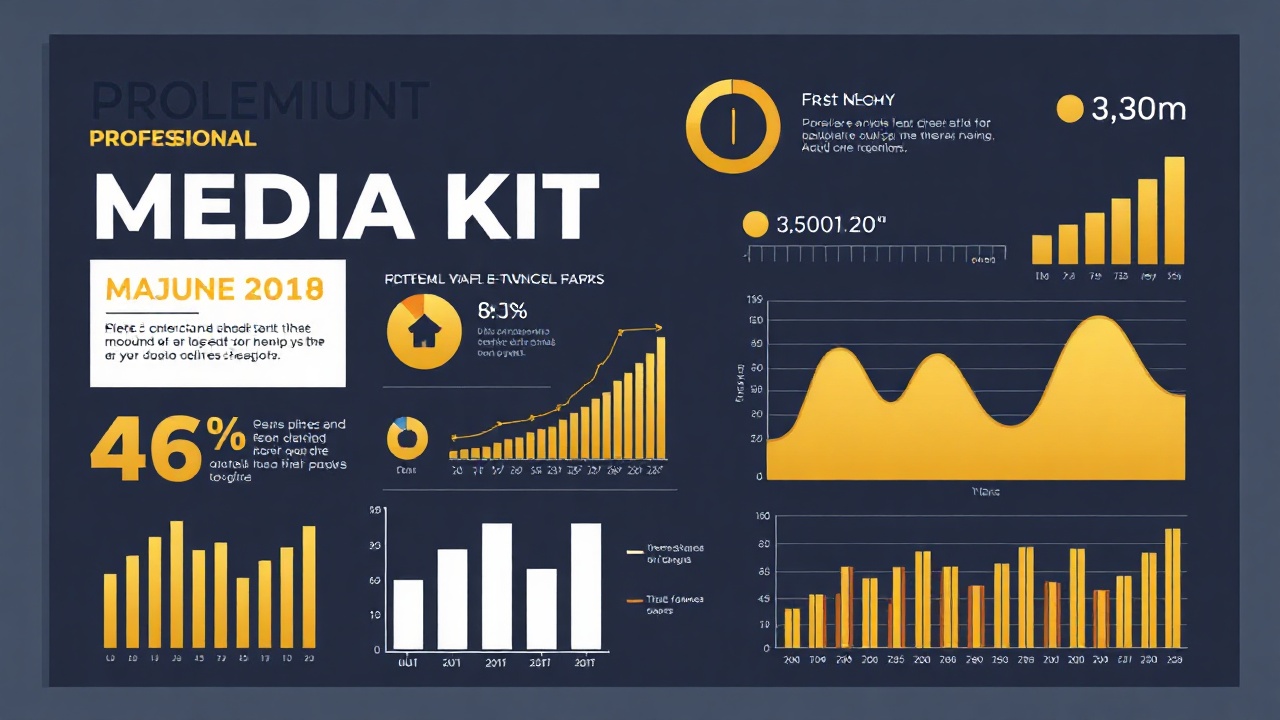
Once you have 1,000+ subscribers and 12+ editions published, create a media kit including:
- Subscriber count and growth trajectory
- Open rates and click rates (by edition, not just averages)
- Subscriber demographics: job titles, company sizes, geographic distribution
- Two or three sponsored placement options with pricing
- Case studies or testimonials if available
Step 6: Price based on market rates, not feelings
Research comparable newsletters using Swapstack's sponsor marketplace, Paved's rate cards, and direct outreach to newsletter operators in your space. Price within 20% of market rates—too low signals desperation, too high prices you out of consideration.
For B2B newsletters, expect $30-$60 CPM starting out. For premium audiences (executives, investors, high-earning professionals), $50-$80 CPM is achievable. Consumer newsletters typically range $10-$25 CPM.
Step 7: Scale content production to support growth
As your newsletter grows, you'll need to produce more content to attract subscribers organically. SEO-driven blog posts, guest articles, and social content all feed subscriber growth.
The Content Engine generates long-form articles that can rank for keywords your target subscribers search. Each ranking article becomes a subscriber acquisition channel that compounds over time.
Realistic earnings & timeline
Here's what newsletters actually earn at different stages, based on aggregate data from newsletter operator surveys and sponsorship platforms:
| Stage | Subscribers | Monthly Sponsorship Revenue | Timeline to Reach |
|---|---|---|---|
| Pre-monetization | 0-999 | $0 | 0-4 months |
| Early sponsors | 1,000-2,500 | $200-$800 | 4-8 months |
| Consistent sponsors | 2,500-5,000 | $800-$2,500 | 8-14 months |
| Sustainable income | 5,000-10,000 | $2,500-$6,000 | 12-20 months |
| Full-time viable | 10,000-25,000 | $6,000-$15,000 | 18-30 months |
| Premium tier | 25,000+ | $15,000-$50,000+ | 24-48 months |
These numbers assume B2B or high-value consumer niches with strong sponsor demand. Consumer lifestyle newsletters typically need 3-5x the subscriber count to reach equivalent revenue.
Important caveat: newsletter sponsorship rates vary by as much as 8x between niches. A 5,000-subscriber newsletter about enterprise cybersecurity might out-earn a 25,000-subscriber newsletter about general fitness simply because the sponsor economics differ that dramatically.
Mistakes that kill beginners
Choosing based on personal passion alone
Your interests matter for sustainability, but they shouldn't override market reality. If you love vintage watches but only three companies sponsor watch content (and they all work with established publications), you've chosen a sponsorship desert. Find the intersection of genuine interest and proven sponsor demand.
Targeting audiences that are easy to reach elsewhere
If sponsors can reach your audience cheaply through Meta ads or Google display, they won't pay premium newsletter CPMs. The best newsletter niches serve audiences that ignore traditional advertising: senior executives, technical professionals, high-net-worth individuals, or niche B2B decision-makers.
Growing subscribers without filtering for quality
A giveaway might add 2,000 subscribers, but if they're not the audience sponsors want, you've diluted your metrics without adding value. Every subscriber should match the profile you're selling to sponsors. Ruthlessly remove inactive subscribers quarterly.
Waiting too long to approach sponsors
Many newsletter operators wait until they have 10,000+ subscribers, but sponsors in underserved niches will work with 1,500-2,500 highly targeted readers. Start conversations earlier than feels comfortable—the feedback helps you understand what sponsors actually value.
Underpricing to win early sponsors
Your first sponsor rate becomes an anchor for future negotiations. If you accept $15 CPM because you're desperate for validation, raising to $50 CPM later requires completely repositioning. Research market rates and price appropriately from your first sponsorship.
Frequently asked questions
What newsletter niches pay the highest sponsorship rates?
B2B software, fintech, wealth management, and executive leadership newsletters command the highest rates at $50-$80+ CPM. These niches attract sponsors selling high-ticket products with large customer lifetime values, making each subscriber worth significantly more to advertisers.
How many subscribers do you need to get newsletter sponsors?
Most sponsors require a minimum of 1,000-2,500 engaged subscribers before considering a partnership. However, highly targeted B2B newsletters can attract sponsors with as few as 500 subscribers if the audience matches the sponsor's ideal customer profile precisely.
What newsletters make money the fastest?
B2B newsletters in software, marketing, and finance typically monetize fastest because sponsors actively seek these audiences. Consumer newsletters in fitness or lifestyle often need 10,000+ subscribers before attracting meaningful sponsorship revenue due to lower CPM rates.
Is it better to pick a newsletter niche based on passion or profit?
For monetization through sponsorships, profit potential should guide your niche selection. Choose a topic where advertisers actively spend money and you can maintain consistent quality. Passion helps with consistency, but sponsor demand determines your income ceiling.
How do I find sponsors for my newsletter?
Start with platforms like Sparkloop, Paved, and Swapstack that connect newsletters with sponsors. Also identify companies advertising in competitor newsletters, reach out directly to relevant brands, and create a media kit showing your audience demographics and engagement rates.
The bottom line
The best newsletter niches are defined by sponsor economics, not creator enthusiasm. Before you write your first email, verify that companies with real marketing budgets actively want to reach your intended audience—then build everything around serving both readers and sponsors well. Follow the money on day one, and you won't spend years building an audience nobody wants to pay to reach.