What Is Affiliate Marketing and How Does It Work?
Affiliate marketing is a performance-based business model where you earn commissions by promoting another company's products or services. When someone clicks your unique tracking link and makes a purchase, you receive a percentage of the sale—typically 5% to 75% depending on the product type. As of 2025, the global affiliate marketing industry is valued at over $17 billion, with average commissions ranging from $50 to $500 per sale for digital products.
| Industry Value (2025) | $17+ billion globally |
| Typical Commission Rate | 5%–75% per sale |
| Average Earnings (Beginners) | $100–$1,000/month |
| Top Networks | Amazon, ShareASale, CJ |
| Cookie Duration Range | 24 hours to 90 days |
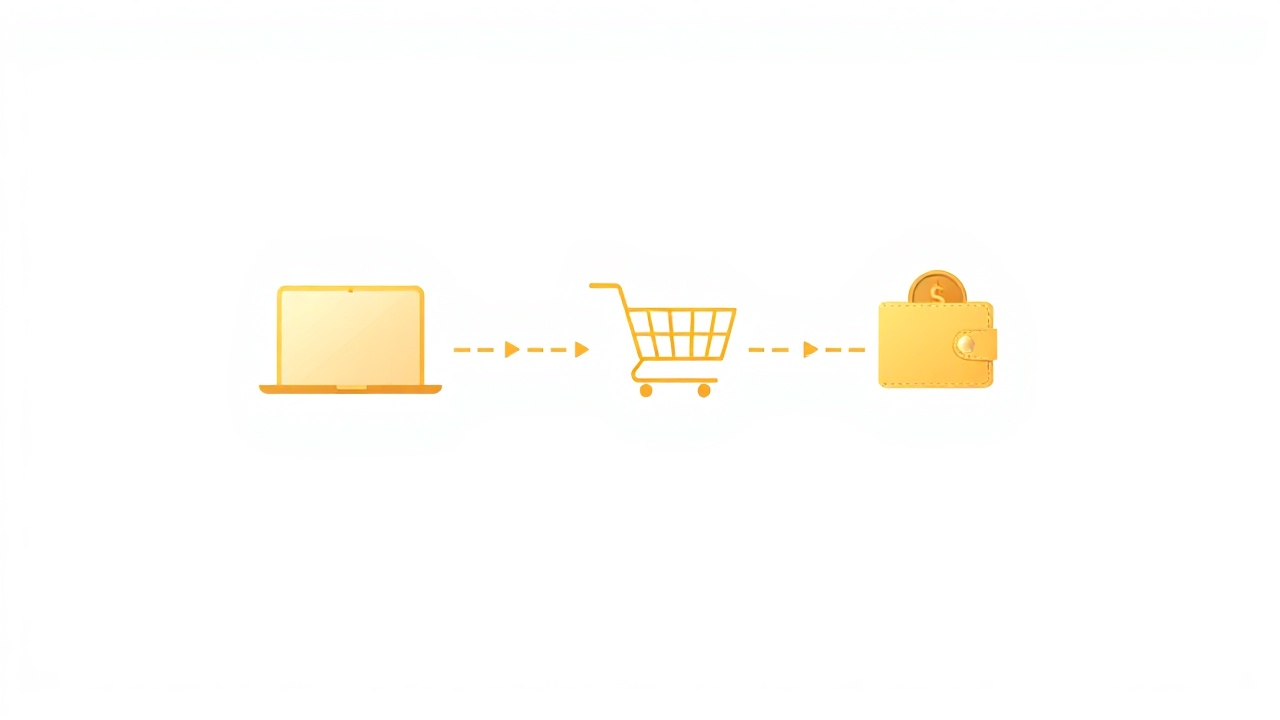
How Affiliate Marketing Works: The Basic Process
Affiliate marketing operates on a simple four-party system that connects merchants with customers through promotional partners.
The four key players:
- Merchant (Advertiser) — The company selling the product or service
- Affiliate (Publisher) — You, the promoter who earns commissions
- Consumer — The person who clicks your link and buys
- Affiliate Network — The platform tracking sales and managing payments (optional but common)
When you join an affiliate program, you receive a unique tracking link containing your affiliate ID. This link uses browser cookies to attribute sales to your account, even if the customer returns days later to complete their purchase.
A Simple Affiliate Marketing Example
Imagine you run a fitness blog. Here's how a typical affiliate transaction works:
- You write a review of a $100 protein powder
- You include your affiliate link from the supplement company
- A reader clicks your link and lands on the product page
- The company's system places a 30-day tracking cookie on their browser
- The reader purchases the protein powder three days later
- You earn a 20% commission ($20) deposited to your account
This process repeats across hundreds or thousands of visitors, creating scalable income from content you create once.
Commission Structures and Payment Models
Not all affiliate programs pay the same way. Understanding the different models helps you choose programs strategically.
| Payment Model | How It Works | Typical Rate | Best For |
|---|---|---|---|
| Pay-Per-Sale (PPS) | Commission on completed purchases | 5%–75% of sale | Physical and digital products |
| Pay-Per-Lead (PPL) | Payment for signups or form submissions | $1–$100 per lead | Software, insurance, finance |
| Pay-Per-Click (PPC) | Payment for each click to merchant | $0.01–$0.50 per click | High-traffic websites |
| Recurring Commission | Ongoing payment for subscription products | 10%–40% monthly | SaaS and membership sites |
Digital products like online courses and software typically offer higher commission rates (30%–75%) because there's no manufacturing or shipping cost. Physical products through retailers like Amazon offer lower rates (1%–10%) but benefit from brand trust and high conversion rates.
Top Affiliate Networks for Beginners
Affiliate networks simplify the process by aggregating thousands of programs in one dashboard. As of 2025, these platforms dominate the industry:
Amazon Associates — The largest program with millions of products, offering 1%–10% commissions and 24-hour cookies. Ideal for product review sites.
ShareASale — Over 25,000 merchant programs across every niche, with commissions averaging 10%–30% and longer cookie durations.
CJ Affiliate (Commission Junction) — Premium brands and higher payouts, best suited for established publishers with consistent traffic.
ClickBank — Focused on digital products with commissions reaching 50%–75%, popular among content creators in health, wealth, and relationship niches.
Impact — Growing network featuring major brands like Uber, Airbnb, and Canva with modern tracking technology.
What You Need to Start Affiliate Marketing
Successful affiliate marketing requires a platform to reach potential customers. Most affiliates use one or more of these channels:
Content websites remain the most sustainable approach. A niche blog or review site builds organic search traffic that generates passive clicks on affiliate links for years. Building a professional affiliate site quickly is straightforward with tools like Site Engine, which creates review and blog sites in under 60 seconds.
YouTube channels work exceptionally well for product demonstrations and tutorials where viewers see products in action before clicking description links.
Email lists convert at the highest rates (often 3%–5% click-to-purchase) because subscribers already trust your recommendations.
Social media provides quick reach but typically lower conversion rates due to platform restrictions on direct linking.
Creating Content That Converts
The affiliate marketing equation is simple: targeted traffic plus relevant offers equals commissions. Content bridges that gap.
High-performing affiliate content types include:
- Product reviews — In-depth analysis of single products
- Comparison posts — "Product A vs. Product B" format
- Best-of lists — "10 Best Budget Laptops for Students"
- Tutorials — How-to guides featuring affiliate products as solutions
- Resource pages — Curated tool recommendations for specific goals
Consistently publishing SEO-optimized articles builds the traffic foundation affiliate income requires. For affiliates managing multiple sites or scaling content production, Content Engine generates long-form, search-ready articles automatically—keeping publishing schedules consistent without hiring writers.
Realistic Income Expectations
Affiliate marketing income varies dramatically based on niche, traffic volume, and content quality.
Beginner phase (0–12 months): $0–$1,000 per month. Most time spent building content and waiting for search rankings.
Intermediate phase (1–2 years): $1,000–$10,000 per month. Traffic compounds, and you understand which content converts.
Advanced phase (2+ years): $10,000–$100,000+ per month. Multiple sites, diversified traffic sources, and optimized conversion funnels.
The 2024 Influencer Marketing Hub survey found that 57% of affiliates earn under $10,000 annually, while the top 9% earn over $50,000. Success correlates directly with content volume, niche selection, and persistence through the initial low-earning period.
Common Mistakes to Avoid
New affiliates often undermine their results with these errors:
Promoting too many products — Focus on 3–5 core offers you genuinely understand rather than scattering links everywhere.
Ignoring disclosure requirements — The FTC requires clear affiliate disclosure. Non-compliance risks penalties and damages reader trust.
Choosing products solely by commission rate — A 75% commission means nothing if the product doesn't convert or refund rates are high.
Neglecting content quality — Thin, unhelpful content won't rank in search engines or persuade readers to buy.
Get the AI tools to do this — free
Create a free Elite Engines account and get 5 AI engines instantly. No credit card.
Related questions
How much money can you realistically make with affiliate marketing?
Beginner affiliates typically earn $100–$1,000 per month in their first year. Intermediate marketers with established sites earn $1,000–$10,000 monthly, while top affiliates generate $50,000 or more per month. Income depends on niche selection, traffic volume, and commission rates—digital products paying 30%–75% versus physical goods at 1%–10%.
What is the best affiliate program for beginners?
Amazon Associates is widely considered the best starting point for beginners due to its trusted brand, millions of products, and simple approval process. However, commission rates are low (1%–10%). ShareASale offers higher commissions across 25,000+ programs and is beginner-friendly. Choose based on your content niche and audience.
Do you need a website to do affiliate marketing?
No, a website isn't strictly required. Affiliates successfully use YouTube channels, email newsletters, TikTok, Pinterest, and other social platforms. However, a website provides the most sustainable long-term results because you own the platform, control SEO, and aren't dependent on algorithm changes that can eliminate social media reach overnight.
How long does it take to make money with affiliate marketing?
Most affiliates see their first commission within 1–3 months, but meaningful income ($500+ monthly) typically takes 6–12 months of consistent content creation. SEO-based affiliate sites require time for search engines to index and rank content. Paid advertising can accelerate results but requires upfront investment and expertise.
Is affiliate marketing still profitable in 2025?
Yes, affiliate marketing remains highly profitable in 2025, with the industry exceeding $17 billion globally. E-commerce growth, increased digital product creation, and sophisticated tracking technology continue expanding opportunities. Competition has increased, making quality content and niche specialization more important than in earlier years.